News Summary
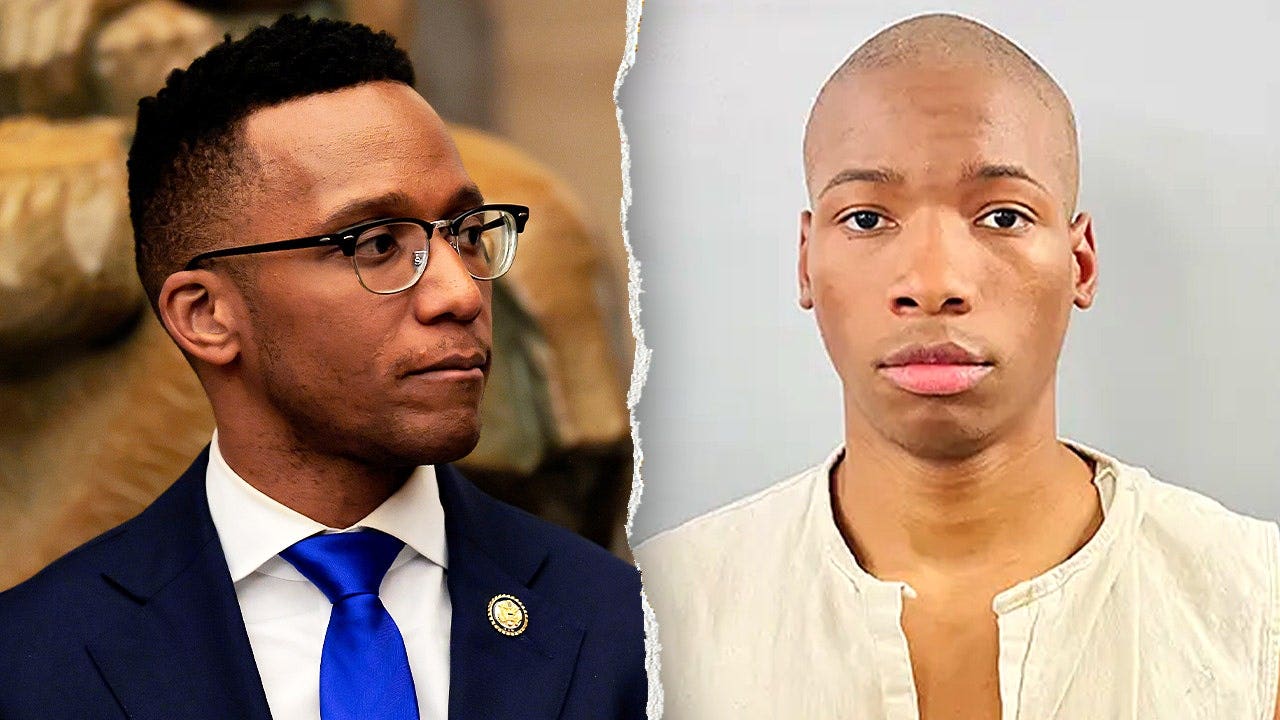
Karmelo Anthony was convicted and sentenced to 35 years in prison for the stabbing death of 17-year-old Austin Metcalf at a high school track event. Supporters of Anthony described his actions as self-defense and have urged appeals and further review. Several House Democrats publicly criticized the verdict and raised concerns that race and jury selection influenced the outcome, with Rep. Christian Menefee specifically saying the jury was all White and that preemptory strikes were used to achieve that composition. Fox News reported that sources close to the trial said there were three jurors who were racial minorities and that, of 18 jurors including alternates, six were minorities. The article quotes other Democratic lawmakers expressing sympathy for Anthony, asserting broader racial inequities in the justice system, and urging review; it also notes that four Black men testified in support of the prosecution’s account that Anthony was not provoked.
Biblical Reflection
From a Christian pastoral perspective, this story sits at the intersection of legitimate concerns about racial justice and the need for careful attention to facts and due process. Calls to examine possible racial bias in jury selection reflect a longstanding moral concern about equal treatment under the law; Christians should take seriously systemic injustices that strip dignity and fair treatment from marginalized people. At the same time, rushed or inaccurate public claims about the facts can harm truth and inflame passions on all sides—compounding the grief of the victim’s family and the consequences for the convicted individual. The article’s framing also shows how partisan media and political actors may amplify particular narratives; discerning readers should separate verifiable courtroom facts from political interpretation. Pastoral response should balance a pursuit of justice and institutional reform with compassion for victims and convicted persons alike, insisting on humility, verified evidence, and constructive reforms (for example clearer transparency in jury selection) rather than headline-driven accusations.
Scripture in context
This outlook does not yet include contextual Scripture citations. Do not treat a general biblical theme as an exegetical conclusion.
Faithful Response
No prescribed response is offered. Consider the reflection prompts below in your own church context.
Reflection and Discussion
- 1What verifiable facts about jury composition and selection are available beyond initial public statements, and how have different outlets verified them?
- 2Is this case being used as evidence of a broader pattern, and if so, what objective data supports that pattern versus relying on a single high-profile example?
- 3How can Christians hold both the pain of the victim’s family and the need for fair, unbiased legal processes in tension without rushing to polarizing conclusions?
Sources
Reporting links are evidence inputs; Sanctuary News' biblical reflection is commentary.
This outlook currently relies on fewer than two linked sources. Broaden verification before teaching from it.
- 1.Original reportprimary