News Summary
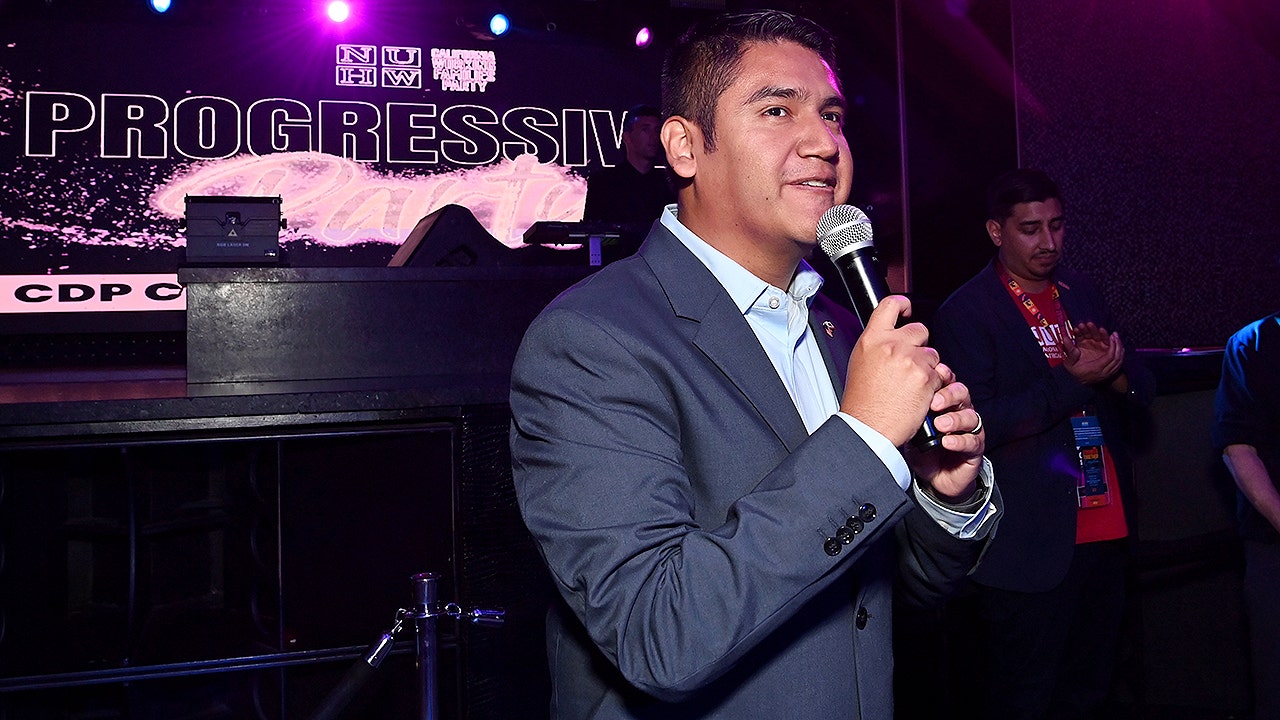
Reporting by Fox News Digital (citing documents obtained by the Los Angeles Times and court records) states that while Randy Villegas campaigned on transparency, the Visalia Unified School District board — on which he served — approved five confidential settlements over roughly three years resolving sexual-abuse claims, totaling nearly $14.4 million according to the LA Times. Fox News Digital confirmed that Villegas was present for at least one unanimous vote approving a March 2025 confidential settlement (Tulare County Superior Court, Case No. VCU 294247) that paid $3 million to resolve allegations by six former students against a kindergarten teacher. The March 2025 agreement included explicit nondisclosure language stating parties would say only that “the matter has been resolved” and barred participants from encouraging or making public-records requests about the settlement; it also noted the district might nevertheless be required to disclose terms under the California Public Records Act. The LA Times also reported a separate $8 million settlement approved during Villegas’s tenure (not independently verified by Fox News Digital). Fox News Digital and the LA Times noted other settlements during the same period contained similar secrecy provisions. Fox News Digital sought comment from Villegas’s campaign and the district but had not received responses by publication. The story includes a quote from the NRCC criticizing Villegas and lists several national progressive endorsements Villegas has received while running in the June 2 top-two primary for California’s 22nd Congressional District.
Biblical Reflection
What this report places before Christians is a mix of legitimate concerns and partisan framing. The core factual concerns are weighty: allegations of sexual abuse, large monetary settlements, and contractual secrecy that impede public knowledge. Scripture calls the church to protect the vulnerable and pursue justice (e.g., Proverbs 31:8–9; Micah 6:8), so the moral urgency surrounding alleged harm to children and the need for institutional accountability is real and pressing. At the same time, news coverage from partisan outlets and political actors often emphasizes contrast between a candidate’s stated values and institutional decisions to imply hypocrisy or criminality. Settlements are legal tools that districts sometimes use to resolve claims without admission of wrongdoing; confidentiality can reflect legal strategy, pressure from counsel, or attempts to limit further trauma to claimants — though it can also enable concealment and erode public trust. Christians should therefore hold both convictions: protect victims and press for transparent, accountable systems, while avoiding premature character assassination based solely on political advantage. Evaluate the facts: which settlements were voted on when, what information was available to board members at the time, what did legal counsel recommend, and what have victims and investigators said? Finally, insist on due process for alleged wrongdoing, compassionate care for survivors, and institutional reforms (clear reporting, independent investigations, and transparency standards) that prevent future harm. Beware of partisan weaponizing of stories that treats human suffering as only political leverage rather than a call to repentance, repair, and reform.
Scripture in context
This outlook does not yet include contextual Scripture citations. Do not treat a general biblical theme as an exegetical conclusion.
Faithful Response
No prescribed response is offered. Consider the reflection prompts below in your own church context.
Reflection and Discussion
- 1What additional facts would I need (timing of votes, legal advice given to the board, statements from survivors and investigators) before concluding whether board members acted rightly or wrongly?
- 2How does political partisanship in reporting shape my perception of alleged hypocrisy versus legal or procedural complexity in school-district settlements?
- 3What structural changes (oversight, independent review, transparency policies that protect victims) would honor both justice for survivors and fair process for the accused and governing bodies?
Sources
Reporting links are evidence inputs; Sanctuary News' biblical reflection is commentary.
This outlook currently relies on fewer than two linked sources. Broaden verification before teaching from it.
- 1.Original reportprimary