News Summary
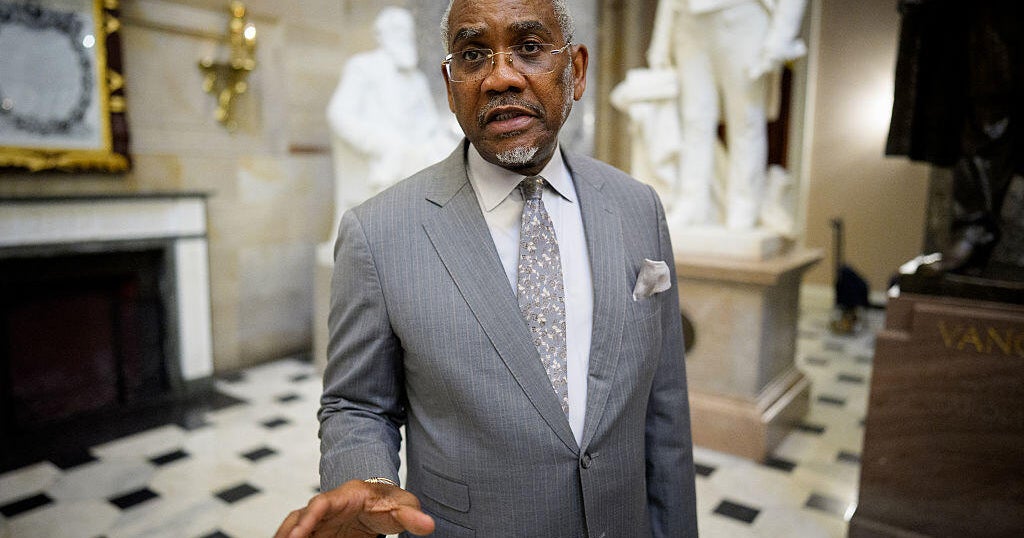
On June 4, 2026, the U.S. House of Representatives approved legislation authored by Democratic Rep. Gregory Meeks that would authorize up to $8 billion in military loans to Ukraine and include assistance for post-war reconstruction and new sanctions targeting Russia, while reaffirming the importance of NATO. The measure reached the floor after a discharge petition — filed nearly a year earlier by Meeks to force a vote — secured enough signatures; on May 13 Rep. Kevin Kiley provided the decisive 218th signature. The bill passed the House by a 226–195 vote, with every Democrat and more than a dozen Republicans supporting it; Democratic Rep. Ilhan Omar, who had signed the petition, voted against the underlying bill. In an earlier procedural vote to discharge the measure from the House Rules Committee, several Republicans voted with Democrats to advance it. Ukrainian President Volodymyr Zelenskyy has requested additional U.S. support as Russian attacks continue; he recently asked for more Patriot interceptors. Supporters say the bill strengthens Ukraine’s negotiating position; the measure’s prospects in the Senate remain uncertain.
Biblical Reflection
This vote highlights tensions between party loyalty and conscience-driven, bipartisan action. From a Christian perspective, the impulse to aid a nation facing sustained attack can be an expression of neighbor-love and protection of the vulnerable. At the same time, the use of military loans and sanctions raises sober questions about escalation, stewardship of resources, and long-term peacebuilding. The article reports facts without strong editorializing, but readers should notice the political framing: emphasis on procedural bypassing of leadership and bipartisan dissension, which can invite partisan interpretation. Christians should affirm care for those suffering and pressure leaders toward prudence, accountability, and initiatives that seek both justice and an end to violence. Prayerful discernment is needed to hold together compassion for civilians, wise stewardship of public funds, and a commitment to pursue peace where possible.
Scripture in context
This outlook does not yet include contextual Scripture citations. Do not treat a general biblical theme as an exegetical conclusion.
Faithful Response
No prescribed response is offered. Consider the reflection prompts below in your own church context.
Reflection and Discussion
- 1Are our leaders and media presenting this vote primarily as an act of compassionate support or as a political maneuver—and how does that framing shape our response?
- 2How should the call to protect the vulnerable be balanced with the Christian commitment to pursue peace and avoid unnecessary escalation?
- 3What measures of accountability and long-term planning should accompany emergency military or reconstruction aid to ensure wise stewardship and reduction of suffering?
Sources
Reporting links are evidence inputs; Sanctuary News' biblical reflection is commentary.
This outlook currently relies on fewer than two linked sources. Broaden verification before teaching from it.
- 1.Original reportprimary