News Summary
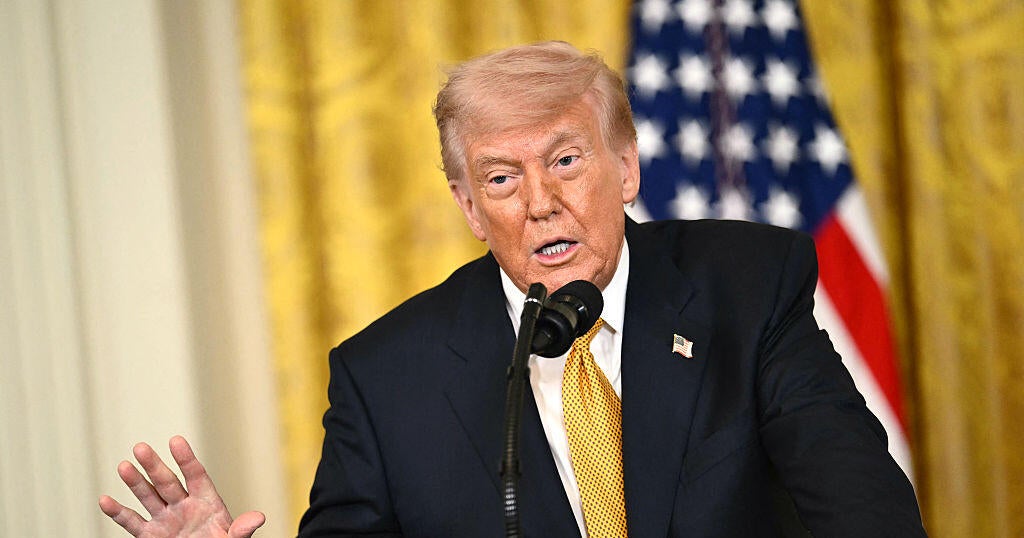
Senate and House Democrats sent letters to more than a dozen recipients of presidential clemency granted by President Donald Trump, seeking documents and communications to determine whether pardons or commutations were obtained through intermediaries, financial contributions, or other influence. Recipients named in reporting and letters include Changpeng Zhao (Binance founder), Joseph Schwartz (convicted of tax crimes related to nursing home payroll fraud), Trevor Milton (convicted of lying to investors), Lawrence Duran (Medicare fraud), David Gentile (convicted in a Ponzi scheme), Paul Walczak, Timothy Leiweke, and others. The letters request contracts, communications with federal officials, records of donations to Trump or affiliated groups, and records of payments to lawyers, lobbyists, or influencers who advocated for clemency. Lawmakers cite concerns that clemency actions wiped away hundreds of millions of dollars in restitution owed to victims. Democrats do not hold the majority in either chamber and therefore lack subpoena power; they set a May 22 response date and said failure to cooperate could draw further scrutiny if Democrats regain majorities. The White House denied any wrongdoing, saying donations played no role and that the administration has a robust review process. Former DOJ pardon attorney Liz Oyer has told CBS News that the Trump White House handled clemency outside the Office of the Pardon Attorney, a departure she said was unusual. The investigation focuses on whether clemency decisions comport with constitutional and public-welfare norms and on the impact of those decisions on financial victims of crimes.
Biblical Reflection
From a Christian perspective, this story raises two central concerns: the integrity of public justice and the care of victims. Scripture repeatedly condemns bribery, partiality, and perversion of justice, and upholds the duty of leaders to act fairly (e.g., Proverbs, Micah). If pardons were exchanged or influenced by payments, lobbying, or personal ties, that would reflect moral corruption that harms the vulnerable—especially victims owed restitution. At the same time, the coverage is political: the inquiry is led by Democrats and occurs in a partisan environment. That means reporting and political statements may be framed to advance oversight or electoral goals. Christians should therefore weigh both the substantive claims (restitution wiped away, patterns of clemency for allies, questions about process) and the political context (who is asking, what powers they have, timing). The biblical response is not to assume guilt without evidence, nor to excuse wrongdoing because of politics; rather, we should seek truth, defend the rights of victims, demand transparency and accountability from authorities, and resist the temptations of partisan cheerleading. Healthy civic life requires institutions that administer justice impartially; when those institutions appear bypassed, Christians should pray for repentance and reform, advocate for victims' restitution, and support fair, evidence-based inquiry rather than rhetorical scoring.
Scripture in context
This outlook does not yet include contextual Scripture citations. Do not treat a general biblical theme as an exegetical conclusion.
Faithful Response
No prescribed response is offered. Consider the reflection prompts below in your own church context.
Reflection and Discussion
- 1How does the use of terms like "pay-to-play" shape your perception of events before investigators establish facts, and what standards of evidence should you look for?
- 2Whose voices are centered in the story—the powerful seeking clemency or the victims owed restitution—and how should that influence our judgment about justice?
- 3Are existing institutional safeguards (like the Office of the Pardon Attorney, congressional oversight, restitution requirements) functioning as intended, and what reforms would align them better with biblical principles of fairness and care for the harmed?
Sources
Reporting links are evidence inputs; Sanctuary News' biblical reflection is commentary.
This outlook currently relies on fewer than two linked sources. Broaden verification before teaching from it.
- 1.Original reportprimary