News Summary
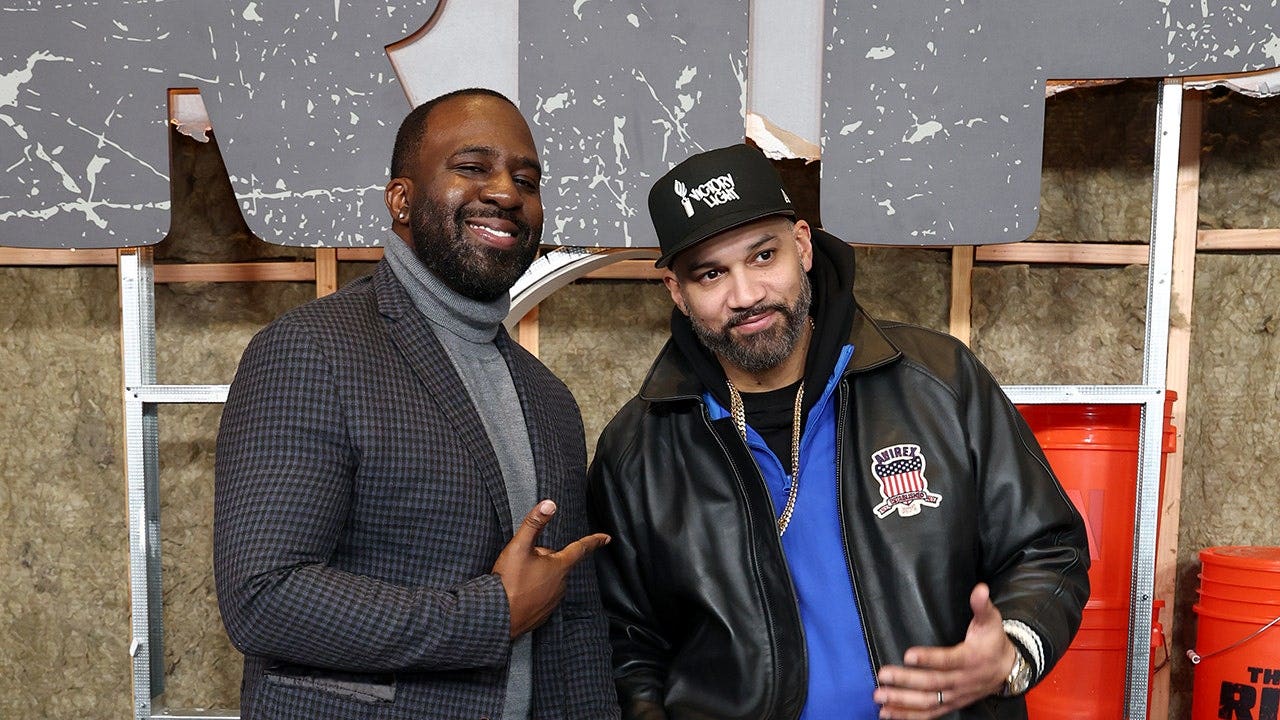
Kazeem Famuyide, a co-host on New York hip-hop station Hot 97 and part of the 'Mornings with Mero' show, announced on social media and on-air that his station should not play music by Atlanta artists until the New York Knicks’ playoff series against the Atlanta Hawks is finished. Famuyide said the move was intended to show New York solidarity; the station paused playing Atlanta-based artists on the day he announced the protest. He named well-known Atlanta artists (for example, Usher, Ludacris, T.I., and Lil Baby) as included in the boycott. The Knicks and Hawks begin their first-round series at Madison Square Garden; the article notes a rivalry dating to the 2021 postseason. The piece also references local reactions, such as a New York city official blaming a former Hawk (Trae Young) for rising ticket prices, and notes New York’s seeding (third) and Atlanta’s seeding (sixth) in the conference standings.
Biblical Reflection
This is primarily a cultural, sports-driven gesture rather than a policy or moral crisis. The action is rooted in local loyalty and sports tribalism: a radio host using programming choices to signal support for his city's team. From a Christian perspective, several points are worth noting. First, Christians are called to love neighbors (including those 'on the other team') and to avoid needlessly stoking division for entertainment or attention (John 13:34–35; Romans 12:18). Second, those with public influence — broadcasters, hosts, and pastors — bear responsibility for how their platforms shape community relationships; using a media platform to exclude people by geography risks modeling a dismissive or exclusionary posture rather than reconciliation and respect. Third, the piece reflects a broader media tendency to amplify tribal narratives because they attract engagement; readers should discern whether coverage is emphasizing conflict over common humanity. That said, the action appears intended as playful protest rather than vindictive harm; Christians should balance recognizing the low moral stakes here with a healthy caution about normalizing exclusionary rhetoric and the power of public figures to influence culture. Practically, we can hold a posture of humility and charity — enjoying local loyalties without demeaning people from other places — and model restraint in speech and influence.
Scripture in context
This outlook does not yet include contextual Scripture citations. Do not treat a general biblical theme as an exegetical conclusion.
Faithful Response
No prescribed response is offered. Consider the reflection prompts below in your own church context.
Reflection and Discussion
- 1How does the media’s focus on rivalry and spectacle shape our instincts toward tribal loyalty, and how should that influence the way Christians consume such stories?
- 2When public figures use their platforms to exclude or boycott a group (even playfully), what are the likely effects on community relations and Christian witness?
- 3Does this story change how you think about the difference between harmless fandom and speech that contributes to division or contempt?
Sources
Reporting links are evidence inputs; Sanctuary News' biblical reflection is commentary.
This outlook currently relies on fewer than two linked sources. Broaden verification before teaching from it.
- 1.Original reportprimary