News Summary
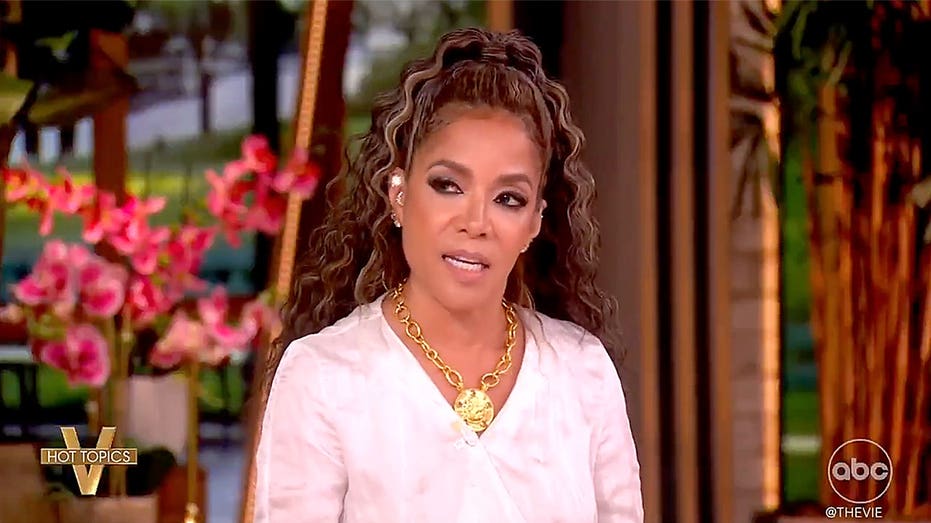
Fox News reported that The View co-host Sunny Hostin said Smithsonian hearings are 'really about' the Trump administration not wanting to pay reparations to Black Americans for slavery; the article presents Hostin's claim but provides no transcript, direct quote, documentary evidence, or statements from the Smithsonian or the Trump administration corroborating that motive.
Source and Framing Analysis
The original headline and language are editorialized (the supplied headline used the word 'whines'), signaling opinionated framing. The report relies on a single media-sourced claim without linking to primary material (no show transcript, video clip, or official hearing agenda), so the claim's evidentiary basis is unclear.
Biblical Reflection
This coverage centers on a charged interpretation of a public conversation rather than clear documentary findings. The Christian response should begin with careful discernment: seek primary sources (the show's remarks, hearing transcripts or agendas, official statements) before accepting or repeating claims about motives. Christians are rightly compelled to care about racial justice and the legacy of slavery; that concern should motivate responsible inquiry and advocacy rather than rhetorical escalation. When media frames discussions in partisan terms or uses dismissive language, it risks hardening readers' attitudes and obstructing constructive civic engagement.
Truth-telling and mercy should shape our engagement. If evidence shows institutional avoidance of reparative responsibility, Christians should press for justice through lawful, nonviolent means and stand in solidarity with those harmed. If evidence is lacking, Christians should resist amplifying unverified accusations and instead model humility, listening, and careful civic participation. Overarching both paths is the call to love neighbor: we can pursue accountability while preserving the dignity of public discourse and the integrity of communal truth-seeking.
Scripture in context
- 1Isaiah 1:17 — In Isaiah the prophet rebukes religious form without righteous action, calling Israel to 'learn to do good, seek justice, correct oppression' in a context where social injustice and ritual religion are contrasted. — This passage prompts Christians to insist on concrete justice for the vulnerable rather than mere rhetoric, and to evaluate public claims by their fruits—do they lead to action that protects the oppressed and repairs harm?
- 2Luke 6:31 — In the Gospel, Jesus summarizes ethical behavior toward others with the principle commonly called the Golden Rule, teaching reciprocity of care in a broader sermon about loving enemies and doing good without expectation of return. — This teaching encourages Christians to treat disputed public figures and opponents with a baseline of fairness and honesty, resisting slander and preferring charitable interpretations where evidence permits.
Faithful Response
Locate primary sources before forming firm conclusions: watch or read the actual segment of The View, review the Smithsonian hearing agenda and transcripts, and seek official statements.
Pray for wisdom and restraint before sharing contested claims; practice verifying political assertions through multiple sources.
If motivated by concern for reparative justice, channel that energy into documented civic action—contact representatives, support researched policy proposals, and join community organizations pursuing restorative measures.
Reflection and Discussion
- 1Am I treating strong public accusations as proven facts or as allegations that require evidence?
- 2How might love of neighbor and the call to justice change the way I respond to political claims that affect vulnerable communities?
- 3What steps will I take to verify contested reports before sharing them within my community?
Sources
Reporting links are evidence inputs; Sanctuary News' biblical reflection is commentary.
This outlook currently relies on fewer than two linked sources. Broaden verification before teaching from it.
- 1.'The View' co-host whines Smithsonian hearings are about Trump administration not wanting to pay reparationsprimary_reporting