News Summary
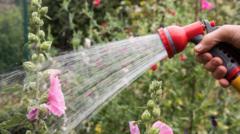
Reported facts: The BBC article states that more than eight million households are under hosepipe bans. Attributed claims: The article says this development has raised questions about how effectively water resources are being managed. Uncertainties: The article (as supplied) does not specify which areas are affected, the legal or administrative authorities imposing bans, the precise restrictions, the causes (e.g., drought severity or infrastructure failures), the expected duration, or proposed mitigation measures.
Source and Framing Analysis
The supplied BBC piece is brief and framed to highlight scale and public concern; it signals a management question but provides little detail. Material uncertainties include geographic scope, causes of restrictions, specific prohibitions, and responses from water companies or government. The framing emphasizes public impact and accountability questions rather than offering technical data or policy context, so readers should seek follow-up reporting for operational details and official explanations.
Biblical Reflection
The report highlights an immediate, practical squeeze on ordinary life that points to deeper issues about stewardship and shared life. Christians should read this as a prompt to recall that creation is entrusted to human care: water is both an ecological good and an essential resource for vulnerable people. Questions about management, allocation, and preparedness are not merely technical or political—they touch on neighbor-love, justice, and responsibility.
At the same time, avoid rushing to partisan judgments from this short report. The article reports a large number of households affected and signals concern about resource management; it does not provide detailed causes, geographic breakdowns, or the full policy context. Christian response should balance truth-telling (calling for clear information and accountable policy), mercy (relief for those most at risk), and humility (recognizing complexity and avoiding scapegoating). Practical care—conserving water, helping neighbors, and advocating for fair and sustainable systems—flows naturally from love of God and neighbor.
Scripture in context
- 1Genesis 2:15 — In the early chapters of Genesis, humanity is placed in the garden 'to work it and keep it'—a text that introduces the theme of human responsibility for creation within the creation narrative. — This passage undergirds a theology of stewardship: Christians should care for natural resources (including water) wisely, advocating for systems and habits that preserve the common good.
- 2Luke 10:25–37 (Parable of the Good Samaritan) — Jesus tells a story about who qualifies as 'neighbor' by showing mercy across cultural boundaries; the point is practical compassion rather than legal or ritual purity. — When resources become scarce, Christians are called to look for concrete ways to help those harmed first—sharing water, assisting the elderly or disabled, and advocating for policies that protect the vulnerable.
Faithful Response
Conserve water and model simple stewardship in daily life (shorter showers, mindful outdoor watering, fixing leaks).
Check on and assist neighbors who may be disproportionately affected (elderly, low-income, households with medical water needs).
Pray for leaders and for communities facing scarcity, while seeking reliable information about local restrictions and support services.
Advocate civilly for transparent water management, equitable allocation, and long-term investments in resilience and infrastructure.
Reflection and Discussion
- 1Does my immediate response prioritize truth, mercy, or tribal advantage—how should that ordering change in light of Scripture?
- 2Which neighbors in my community are most likely to suffer from water restrictions, and what barriers keep them from getting help?
- 3What public or private actions should Christians support to increase resilience and fairness in local water systems?
Sources
Reporting links are evidence inputs; Sanctuary News' biblical reflection is commentary.
This outlook currently relies on fewer than two linked sources. Broaden verification before teaching from it.
- 1.Hosepipe ban in force for millions of households - is your area affected?primary_reporting