News Summary
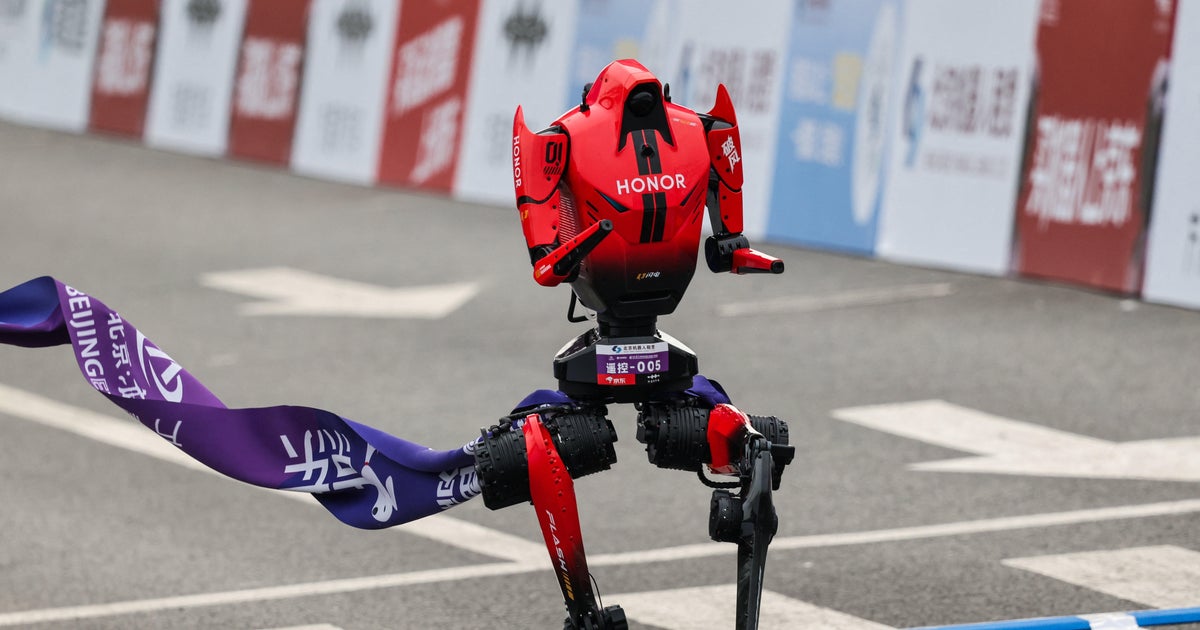
At the Beijing E‑Town Robot Half Marathon, dozens of robots ran a 21‑kilometer course parallel to human runners to avoid collisions. Honor, a Chinese smartphone company, entered a humanoid robot named Lightning, which completed the half‑marathon in just over 50 minutes—faster than the current human half‑marathon world record of over 57 minutes. Robots in the event ran under varied control modes: some autonomously and others remotely. The race tested real‑world capabilities such as balance, endurance, and navigation. Several robots stumbled or went off course; one was severely damaged after a fall. Organizers emphasized the race's aim to accelerate robotics outside the lab for potential uses in manufacturing, logistics, and emergency response. Commentators and engineers noted rapid improvement compared with the previous year. The article also notes that Chinese companies are developing robot technologies for both civilian and military applications.
Biblical Reflection
The article reports a technological milestone and frames it as progress and proof of concept for real‑world robotics. From a Christian perspective we can celebrate human creativity and the use of God‑given intellect to solve problems (stewardship), while also asking prudent questions about priorities, risks, and ends. The piece emphasizes speed and capability, and its tone privileges technological achievement—this can obscure harder questions about safety, regulation, workforce impacts, and dual‑use military potential. Biblically, humans are entrusted to steward creation (and our creative gifts) with wisdom and humility (Genesis 1:26–28; Proverbs 11:2). The advance of humanoid robots offers real benefits for logistics, manufacturing, and emergency rescue, which align with loving service if deployed to relieve suffering. But the narrative that “faster is better” or that machines surpassing human performance is an unambiguous good needs careful moral discernment. Christians should be attentive to: whether technology honors human dignity (Imago Dei), who benefits and who is harmed, whether institutions are exercising wise oversight, and whether cultural or nationalistic competition eclipses ethical deliberation. The article is factual but leans celebratory and pragmatic; it downplays regulatory, ethical, and social implications that deserve sustained public and Christian ethical attention.
Scripture in context
This outlook does not yet include contextual Scripture citations. Do not treat a general biblical theme as an exegetical conclusion.
Faithful Response
No prescribed response is offered. Consider the reflection prompts below in your own church context.
Reflection and Discussion
- 1What values are revealed when we celebrate a machine beating a human record—does our celebration center human flourishing or technological triumph?
- 2Who will gain or lose if humanoid robots become widely used in workplaces, emergency response, or military settings, and how should Christians weigh those outcomes?
- 3Does the article's focus on speed and capability obscure ethical, safety, and regulatory responsibilities that communities and governments must address?
Sources
Reporting links are evidence inputs; Sanctuary News' biblical reflection is commentary.
This outlook currently relies on fewer than two linked sources. Broaden verification before teaching from it.
- 1.Original reportprimary