News Summary
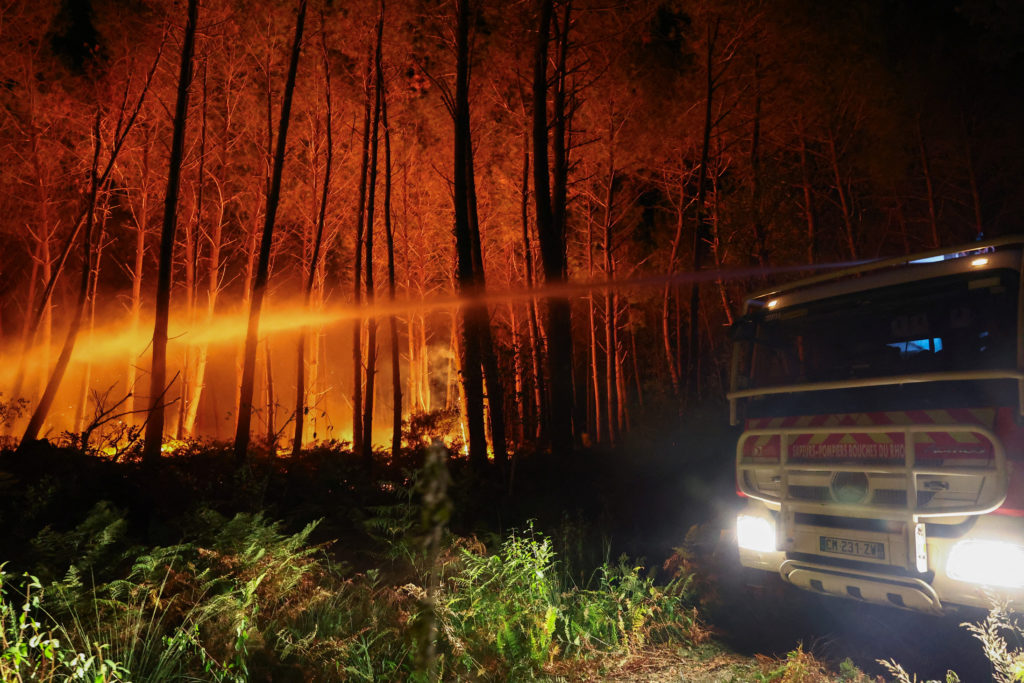
Reported facts: PBS NewsHour reports that historic wildfires in France and Spain have forced hundreds of thousands of people to evacuate. Reported attribution: the article states climate data show Europe is warming faster than anywhere else on earth. Uncertainties: in the supplied text there are no linked primary sources (government statements, emergency agency figures, or datasets) included in the package to corroborate evacuation totals, casualty numbers, acreage burned, or the specific datasets underlying the climate claim.
Source and Framing Analysis
The supplied report links an acute humanitarian event (mass evacuations for wildfires) with a longer-term climate trend (fast regional warming). That framing is common in coverage of extreme-weather events but materially affects how readers interpret cause, responsibility, and policy response. The supplied package contains a single reporting source and does not include primary data or on-the-ground detail, leaving significant evidentiary gaps about scale, cause, and immediate needs.
Biblical Reflection
These are tragic events that demand our immediate compassion and practical help. The scale of evacuations points to real human suffering—displaced families, lost homes, and strained emergency services—and Christians are called to respond with mercy. At the same time, the article connects the fires to broader climate trends, which invites sober reflection about stewardship of creation and how long-term environmental changes increase vulnerability for the poor and elderly.
Read critically: while the reporting highlights serious displacement and a climate context, the piece (as supplied) gives limited on-the-ground detail and does not present primary data in this package. Christians should hold together truth and mercy—advocate for clear facts and accountable response while offering immediate aid, prayer, and solidarity to those affected. We should also resist letting political polarization harden our response; caring for neighbors in crisis and seeking justice for those most at risk are central to the Gospel.
Scripture in context
- 1Matthew 25:31-46 (Sheep and Goats) — In this passage Jesus speaks about final judgment, identifying himself with 'the least of these'—those who are hungry, thirsty, strangers, naked, sick, or imprisoned—and commending those who cared for them. The literary context is a teaching on the nature of the kingdom and ethical demands placed on Jesus' followers. — This passage frames disaster response as a concrete way Christians encounter Christ in suffering neighbors: providing shelter, food, and care for evacuees aligns with the discipleship ethic taught here, emphasizing mercy over debate.
Faithful Response
Pray for evacuees, responders, and local leaders daily, and mobilize congregation prayer chains.
Give to vetted humanitarian organizations providing shelter, food, medical care, and pastoral care in the affected regions.
Support or volunteer with local disaster-relief ministries and refugee-assistance networks that help displaced people.
Encourage congregational education about climate resilience and vulnerable populations, emphasizing humility, science engagement, and equitable policy solutions.
Reflection and Discussion
- 1Which voices and facts are being centered — victims, first responders, scientists, or political commentators — and how does that shape our understanding?
- 2How does seeing extreme weather through both an immediate disaster lens and a long-term climate lens change who we consider most vulnerable?
- 3Are we responding with mercy and practical help first, and then asking questions about prevention and policy?
Sources
Reporting links are evidence inputs; Sanctuary News' biblical reflection is commentary.
This outlook currently relies on fewer than two linked sources. Broaden verification before teaching from it.
- 1.Historic wildfires in France and Spain have forced hundreds of thousands of people to evacuate. Here's what to knowprimary_reporting