News Summary
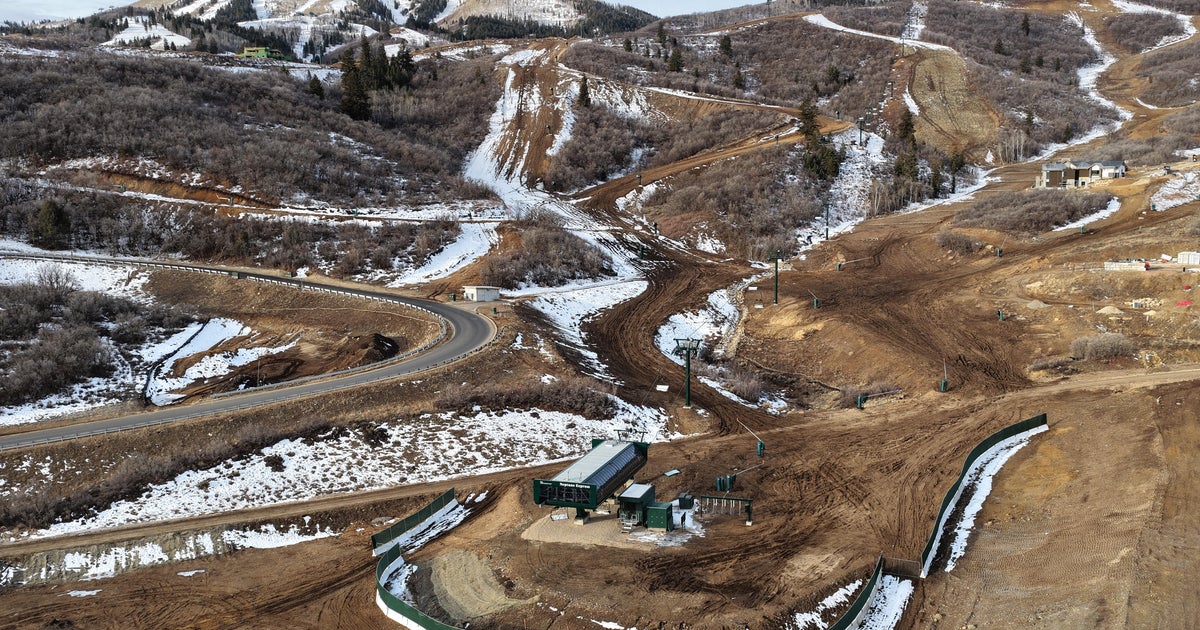
This CBS News report describes a severe, region-wide snow drought across the western United States during the current winter, with iconic ski areas like Aspen and Park City showing unusually bare slopes. State climatologists report the worst conditions in decades for Colorado and Utah, and federal drought data show similar lows in New Mexico and Arizona. Satellite records from NASA and the National Snow and Ice Data Center indicate record-low snow cover for the date. Because western communities rely on mountain snowpack for roughly 75% of their water supply, experts warn that record-low snowpack threatens reservoirs, river basins and drinking water systems through the rest of the year. The Colorado River Basin — which supplies about 40 million people and supports Lake Powell and Lake Mead — is at record-low snowpack, creating risks for irrigation, reservoir storage, and hydroelectric generation at Glen Canyon Dam. Forecasts show below-average runoff for much of the West; some Nevada reservoirs could fall to single-digit percentages of normal. Low snowpack also removes a natural buffer against wildfire: earlier melts and warmer, drier soils increase the potential for an earlier and more active fire season. Scientists attribute the unusual warmth and the form of precipitation (more rain, less snow) to rising temperatures consistent with the signal of climate change. Rapid snowmelt has already accelerated runoff in places like the Sierra Nevada, and experts warn the full impacts on water supply and fire risk could persist through spring and summer.
Biblical Reflection
Scripture calls God the Creator and gives humanity the responsibility to tend and steward the earth (Genesis 2:15). This article highlights concrete ways natural systems and human communities are vulnerable when those systems are stressed — water for households, farming, and power generation, and the safety of towns threatened by wildfire. From a biblical perspective several clear moral and spiritual lessons emerge.
First, stewardship: the loss of reliable snowpack underscores our dependence on creation and our duty to care for it. Whether one frames the cause in terms of human-driven climate change or natural variability, the practical effect is that neighbors — especially rural ranchers, low-income communities, and those dependent on single water sources — bear the cost. Scripture repeatedly calls us to protect the vulnerable (e.g., Proverbs 31:8–9; Isaiah 1:17). Caring for creation therefore includes preparing and adapting systems so the weak are not left exposed.
Second, humility and repentance: the report is a sober reminder that human choices have consequences. The Bible does not provide a policy prescription, but it does require humility before God’s ordering of creation and repentance where our actions harm others. Ecclesiastes reminds us that the earth is entrusted to temporal hands; we are to act wisely and with foresight.
Third, prudence and communal responsibility: the warnings about reservoirs, hydroelectric capacity, and earlier fire seasons call for wise, cooperative planning — water conservation, infrastructure stewardship, mutual aid, and public safety measures. These are practical expressions of loving one’s neighbor (Matthew 22:39). Christians should resist tribalizing the conversation; instead, advocate for just policies that protect the poor and preserve creation for future generations.
Finally, hope and action: fear is not the Bible’s final word. God’s sovereignty coexists with our call to faithful action. Prayer, practical preparedness, community service, and truthful engagement with science are appropriate Christian responses. The article should move believers to informed care rather than fatalism or denial: pray, prepare, protect the vulnerable, and steward resources wisely.
Scripture in context
This outlook does not yet include contextual Scripture citations. Do not treat a general biblical theme as an exegetical conclusion.
Faithful Response
No prescribed response is offered. Consider the reflection prompts below in your own church context.
Reflection and Discussion
- 1How am I personally stewarding the resources God has given (water, land, energy) in ways that protect my neighbors?
- 2What practical steps can my church or community take now to help those most vulnerable to water shortages and wildfires?
- 3Do I respond with fear, denial, or faithful action when I hear warnings about environmental risk — and how might prayer and preparedness shape a different response?
Sources
Reporting links are evidence inputs; Sanctuary News' biblical reflection is commentary.
This outlook currently relies on fewer than two linked sources. Broaden verification before teaching from it.
- 1.Original reportprimary