News Summary
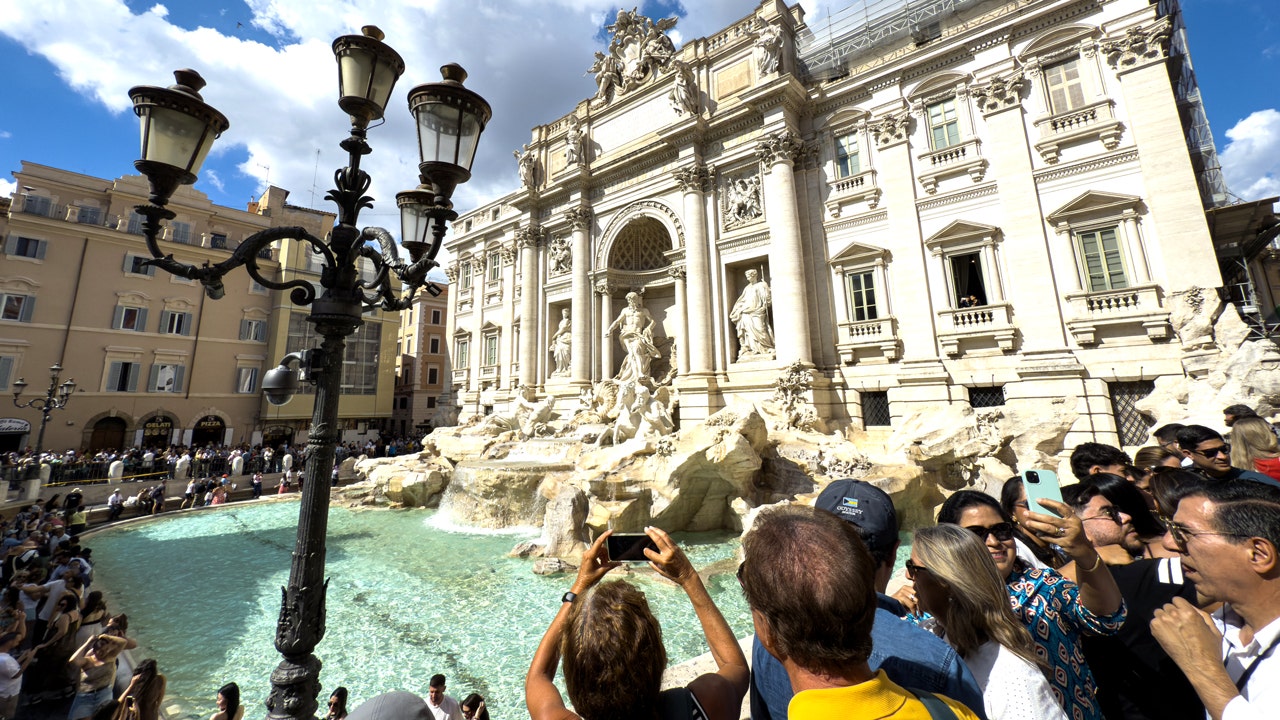
Beginning February 1, 2026, Rome will implement a $2.35 (€2) entry fee for foreign visitors to the Trevi Fountain as part of a broader effort to manage overcrowding at the historic site. The new tariff system, introduced in December 2024, aims to better control the flow of people, protect the monument, and enhance the overall visitor experience. The Trevi Fountain, an 18th-century landmark, attracts about 30,000 visitors daily, with peak days drawing up to 70,000, totaling over 9 million annually. Local residents, people with disabilities, and children under 5 are exempt from the fee. The money collected will be used to maintain the site and ensure its preservation amid the challenges posed by massive tourism. Over $1.52 million was collected from coins thrown into the fountain in 2023, underscoring its popularity. The fee is one of several measures Rome is taking to address the strain tourism places on its cultural treasures.
Biblical Reflection
This news highlights the ongoing tension between the preservation of cultural heritage and the demands of modern tourism. From a biblical perspective, stewardship and respect for creation—including human-made wonders—are important (Genesis 2:15). The fee seeks to protect a beautiful work of art for future generations and maintain order amid excess, which can be seen as responsible stewardship. However, there's also a reminder that walls and fees, while sometimes necessary, can create barriers and draw distinctions between people. Christians are called to hospitality (Hebrews 13:2) and generosity, welcoming the stranger and not showing favoritism (James 2:1-4). The challenge is to balance wise management of resources with openness and equity, ensuring decisions serve the common good and do not become exploitative or exclusionary. Ultimately, earthly beauty points beyond itself to the Creator; we should care for such treasures while remembering that true value lies not in monuments, but in loving God and neighbor.
Scripture in context
This outlook does not yet include contextual Scripture citations. Do not treat a general biblical theme as an exegetical conclusion.
Faithful Response
No prescribed response is offered. Consider the reflection prompts below in your own church context.
Reflection and Discussion
- 1How do I practice stewardship over the resources and beauty entrusted to me?
- 2Am I aware of how my actions, even as a traveler or consumer, impact others and the world around me?
- 3How can I balance respect for cultural treasures with the call to hospitality and inclusion?
Sources
Reporting links are evidence inputs; Sanctuary News' biblical reflection is commentary.
This outlook currently relies on fewer than two linked sources. Broaden verification before teaching from it.
- 1.Original reportprimary