News Summary
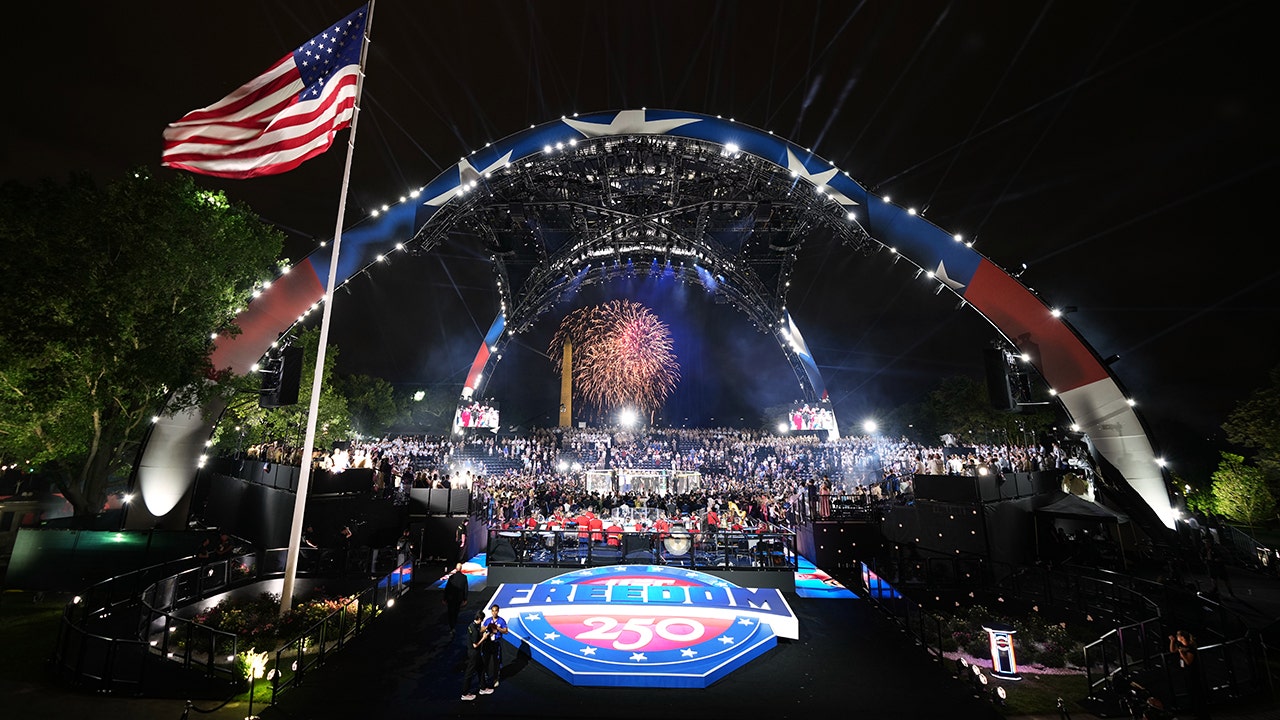
Historian Heather Cox Richardson, in an appearance hosted by former CNN anchor Jim Acosta, argued that the cultural impulse behind the decision to host a UFC event on the White House South Lawn resembled the same impulse that drove lynchings in the late 19th century; she criticized the use of an honor guard at the Lincoln Memorial for the fighter presentation and said the action signaled a deliberate perversion of American civic symbols. Acosta agreed during the interview. The article quotes White House spokesman Davis Ingle calling the event historic and dismissing critics as suffering from "Trump Derangement Syndrome." President Donald Trump hosted the UFC Freedom 250 on the South Lawn as part of his 80th birthday and the 250th anniversary celebrations; the event took place June 14–15, 2026, included about 14 fighters, an estimated 4,300 attendees (including roughly 1,200 active-duty service members), a national anthem performance by Zac Brown, a flyover by the Blue Angels and Thunderbirds, and is reported to have cost $60 million. Fox News sought comment from the UFC but had not received an immediate response.
Biblical Reflection
This piece presents a strong moral-historical claim from a professional historian alongside a defensive White House response; both are framed in a partisan context. Christians should value careful historical truth-telling and also avoid careless analogies that can obscure nuance. Richardson, as a historian, names a perceived pattern — the politicization of civic symbols and appeals to a racialized national identity — that legitimately deserves scrutiny because symbols shape public life and can normalize exclusion. At the same time, comparing a contemporary political spectacle to the organized, extrajudicial racial violence of lynching is a grave claim that requires clear evidence and careful qualification so it does not flatten distinct historical realities or impede constructive dialogue. The article’s framing (quoting a spokesman who dismisses critics with a mocking label) highlights how media and political actors often turn symbolic disputes into culture-war signaling, which fuels division rather than repentance or reconciliation. From a Christian perspective, respond with a commitment to truth (seek precise historical and factual grounding), mercy (avoid demonizing opponents), humility (acknowledge complexity), and courage (speak against racialized rhetoric and actions that marginalize). Evaluate whether criticisms point to concrete harms or primarily symbolic affronts, and prioritize actions that protect dignity, promote justice, and pursue restoration.
Scripture in context
This outlook does not yet include contextual Scripture citations. Do not treat a general biblical theme as an exegetical conclusion.
Faithful Response
No prescribed response is offered. Consider the reflection prompts below in your own church context.
Reflection and Discussion
- 1Does equating a contemporary political spectacle with historical racial terror clarify the problem and point toward remedy, or does it risk obscuring important differences in scale and intent?
- 2What evidence would make this kind of historical comparison persuasive to people across political lines, and how might Christians model that evidential, charitable reasoning?
- 3How does our media consumption — which often amplifies outrage and binary framing — shape our ability to listen for truth and pursue reconciliation?
Sources
Reporting links are evidence inputs; Sanctuary News' biblical reflection is commentary.
This outlook currently relies on fewer than two linked sources. Broaden verification before teaching from it.
- 1.Original reportprimary