News Summary
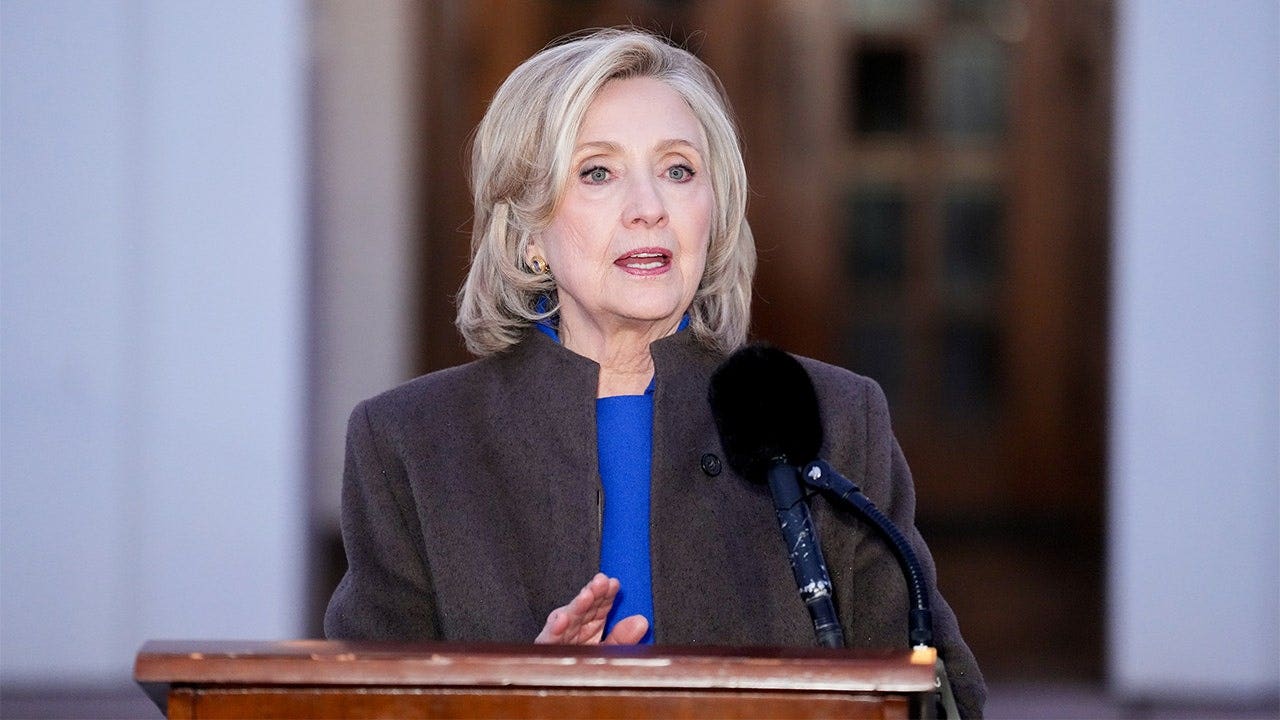
Former Secretary of State Hillary Clinton published an opinion piece in The New York Times criticizing national Republicans for their approach to family affordability, calling them "politically brain-dead." She singled out figures such as Vice President JD Vance and some right-leaning groups for focusing on birthrates while, she argued, ignoring economic burdens on parents. Clinton proposed a "kids agenda" that includes expanding a child tax credit model in more states, a national paid family leave program, investments in early childhood care and education, protections for children's healthcare, and guidance for children in a changing digital environment. She wrote that President Trump would not prioritize these issues and urged Democrats to make affordability and children central in the November elections. The White House responded through a spokesman, Kush Desai, saying the Trump administration has taken steps for parents such as lowering fertility drug prices, expanding child tax credits, and supporting school choice. The Fox News story also notes Clinton's upcoming appearance at a New Hampshire Democratic fundraising dinner and references her recent testimony in the House Oversight Committee's Jeffrey Epstein probe, where she criticized Republicans for a closed-door deposition format.
Biblical Reflection
What this piece describes is a partisan policy critique framed around children and family economic stress. The substantive proposals Clinton lists (child tax credits, paid family leave, early childhood investment, healthcare protections, digital guidance) are public-policy approaches that aim to reduce economic burden on families; they can be evaluated on empirical effectiveness, cost, and implementation. The sharper rhetoric—labeling opponents "politically brain-dead" and accusing them of nostalgia and misogyny—reflects the polarizing tone common in modern political discourse. From a Christian perspective, caring for children, supporting families, and defending the vulnerable are consistent with biblical priorities (provision, justice, and stewardship). Christians should therefore listen to the concrete policy proposals and their likely effects on families rather than only the partisan language. At the same time, Scripture calls believers to temper speech with truth and love; name-calling and caricature undermine charitable witness and make civil discernment harder. Finally, be aware of media framing and tribal responses: both parties will highlight wins and exaggerate flaws. Evaluate claims by asking for evidence of impact on real families, consider whether policies protect human dignity, and weigh whether rhetoric advances truth and reconciliation or deepens division.
Scripture in context
This outlook does not yet include contextual Scripture citations. Do not treat a general biblical theme as an exegetical conclusion.
Faithful Response
No prescribed response is offered. Consider the reflection prompts below in your own church context.
Reflection and Discussion
- 1Which of the specific policy proposals mentioned are most likely to help struggling families in measurable ways, and where is evidence needed?
- 2How does partisan language (insults or moral accusations) affect our ability to evaluate policies on their merits and to witness to Christ-like truth?
- 3Are we prioritizing care for children and families in ways that reflect justice, mercy, and responsibility rather than nostalgia or purely cultural arguments?
Sources
Reporting links are evidence inputs; Sanctuary News' biblical reflection is commentary.
This outlook currently relies on fewer than two linked sources. Broaden verification before teaching from it.
- 1.Original reportprimary