News Summary
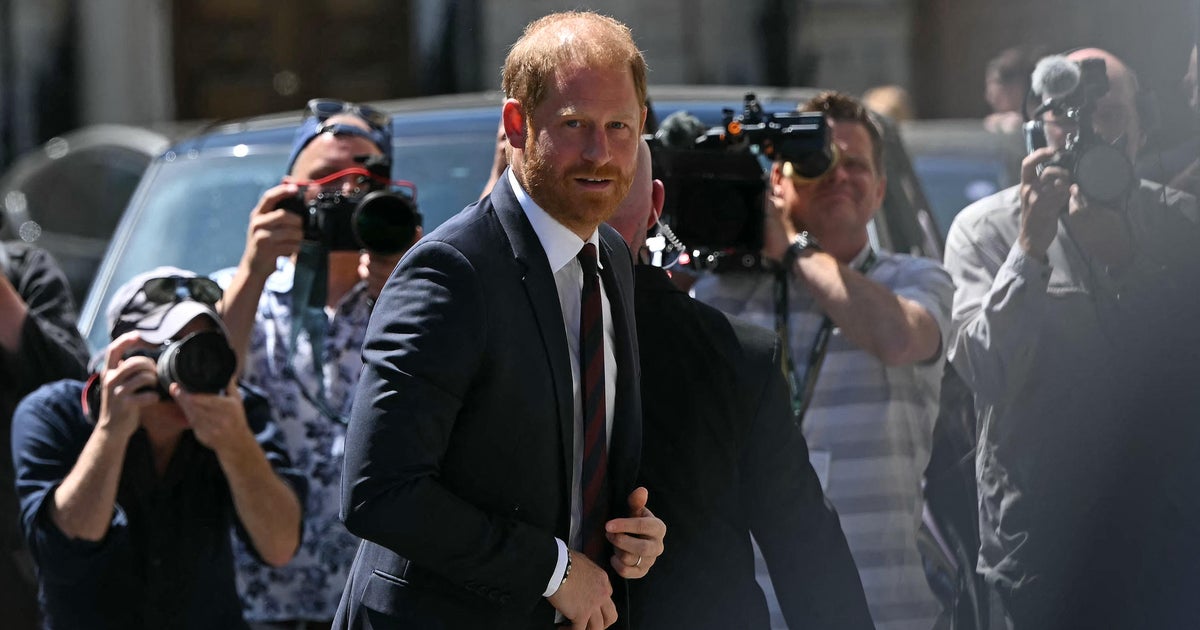
The U.K. High Court dismissed Prince Harry's long-running claims against Associated Newspapers (publisher of the Daily Mail and Mail on Sunday), ruling the alleged unlawful information-gathering could not be proven. Harry was one of several claimants, including Elton John and Elizabeth Hurley, who accused the publisher of methods such as phone tapping, voicemail interception, and impersonation. The claimants said the actions occurred between 1993 and 2011 and continued into 2018; ANL denied wrongdoing and argued the articles cited were based on lawful sources and that delays weakened the case. The ruling is widely expected to be the last of Harry's courtroom battles with British media. The article notes prior related developments: last year the publisher of The Sun paid Harry “substantial damages” and apologized; in 2023 Harry won 15 of 33 phone-hacking claims against Mirror Group Newspapers with about $180,000 awarded, and a subsequent settlement of roughly $370,000 in 2024. The judgment came while Harry was visiting the U.K.; his wife and children did not accompany him amid public discussion over his accommodation and security. The piece also references Harry’s long-standing criticisms of the tabloid press, including his view that media pursuit contributed to Princess Diana’s death and to his and Meghan’s decision to step back from royal duties in 2020.
Biblical Reflection
This story sits at the intersection of legitimate concerns about personal privacy, the power of popular media, and the limits of legal proof. Legally, dismissal for failure to prove allegations does not necessarily equate to moral exoneration, nor does it negate prior findings and settlements in related cases. The article reasonably gives context by noting earlier settlements and wins, but readers should note how legal outcomes, media narratives, and public sentiment can diverge. From a Christian perspective, we should seek both truth and accountability while avoiding rushes to condemnation or triumphalism: victims of wrongdoing deserve justice and compassion, media institutions must be held to ethical standards, and courts must be trusted to weigh evidence fairly. Christians should be alert to how power—of press, institutions, or personalities—shapes stories, and press for reforms that protect the vulnerable without undermining the rule of law. The piece frames the outcome primarily as a legal loss for a public figure, which may underplay ongoing ethical questions about press behavior and the harm experienced by those pursued by aggressive journalism.
Scripture in context
This outlook does not yet include contextual Scripture citations. Do not treat a general biblical theme as an exegetical conclusion.
Faithful Response
No prescribed response is offered. Consider the reflection prompts below in your own church context.
Reflection and Discussion
- 1Does a legal ruling about evidence settle the deeper moral questions about press behavior and harm?
- 2How should Christians weigh respect for legal processes with a call to protect the vulnerable from powerful institutions?
- 3What responsibilities do Christians have when consuming or working in media that influence others' reputations and privacy?
Sources
Reporting links are evidence inputs; Sanctuary News' biblical reflection is commentary.
This outlook currently relies on fewer than two linked sources. Broaden verification before teaching from it.
- 1.Original reportprimary