News Summary
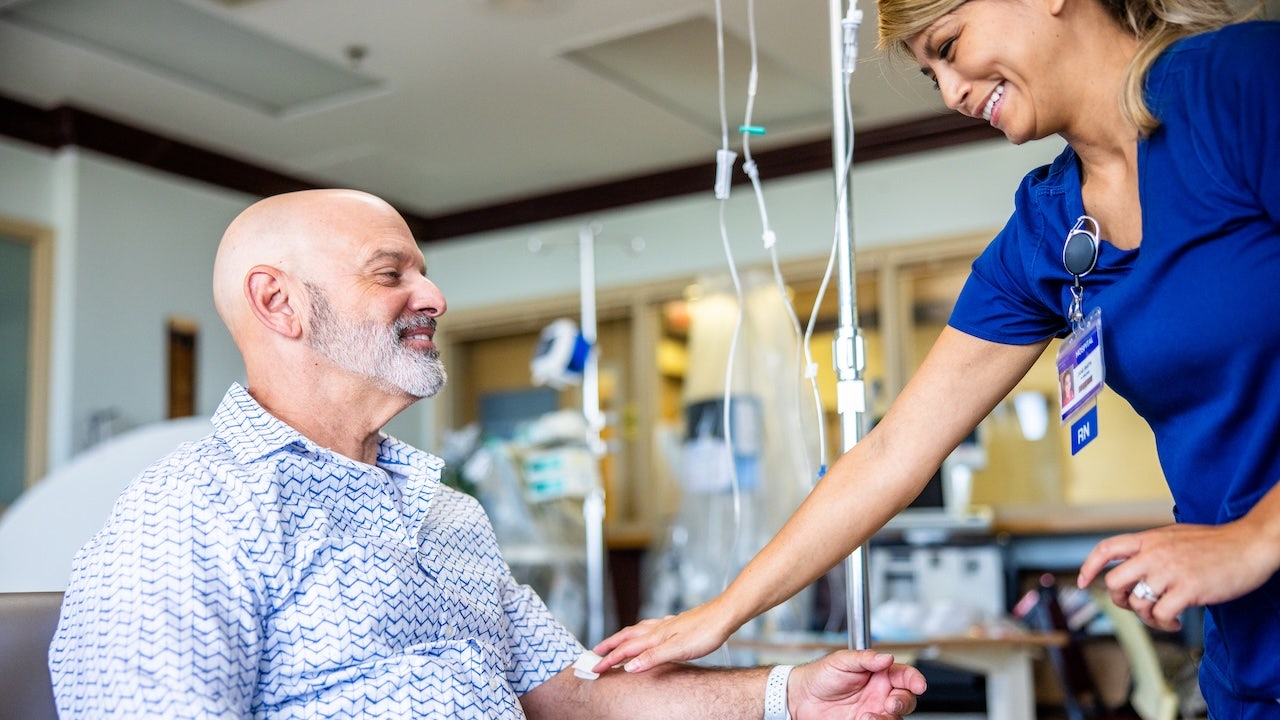
A new study published in the journal Cancer suggests that the timing of immunochemotherapy for patients with extensive-stage small cell lung cancer (ES-SCLC) may impact survival outcomes. Researchers in China analyzed data from nearly 400 patients and found that those receiving their treatments before 3:00 PM had significantly longer progression-free survival and overall survival compared to those treated later in the day. Early treatment was linked to a 52% lower risk of cancer progression and a 63% lower risk of death. This supports the concept of 'chronotherapy,' which takes into account the body's circadian rhythms in optimizing treatment effectiveness. While the findings are promising and consistent with similar research in other cancers, experts caution that the study's retrospective nature and limited scope (single center, only Chinese patients) mean further randomized trials are needed. The research highlights the potential importance of treatment timing but advises patients not to panic or delay appointments while awaiting further evidence.
Biblical Reflection
This article highlights the ongoing pursuit of knowledge in the fight against cancer, reminding us that God has endowed humanity with intelligence and curiosity to discover ways to heal and help one another (James 1:5). The research underscores the complexity and intricacy of creation—our bodies are governed by rhythms and patterns that even modern medicine is only beginning to understand. As Christians, this should inspire awe for the Creator who 'knit us together' so wonderfully (Psalm 139:13-14). It also points to the virtue of stewardship—using science, wisdom, and compassion to care for the sick. While the study offers hope, it also acknowledges our limitations and the need for humility: much is still unknown, and no scientific finding is a guarantee. Scripture encourages us to seek knowledge, but also to trust ultimately in God, the Great Physician, rather than in any single medical advancement (Psalm 20:7). The call is to pray for continued wisdom for researchers and healing for patients, to resist anxiety, and to approach each day—no matter the treatment schedule—with hope rooted in Christ.
Scripture in context
This outlook does not yet include contextual Scripture citations. Do not treat a general biblical theme as an exegetical conclusion.
Faithful Response
No prescribed response is offered. Consider the reflection prompts below in your own church context.
Reflection and Discussion
- 1How can I balance my trust in medical advancements with my ultimate faith in God’s sovereignty and care?
- 2In what ways do I see the intricacy of God’s creation reflected in the discoveries of science and medicine?
- 3How can I support those facing illness with prayer, encouragement, or practical help during their journey?
Sources
Reporting links are evidence inputs; Sanctuary News' biblical reflection is commentary.
This outlook currently relies on fewer than two linked sources. Broaden verification before teaching from it.
- 1.Original reportprimary