News Summary
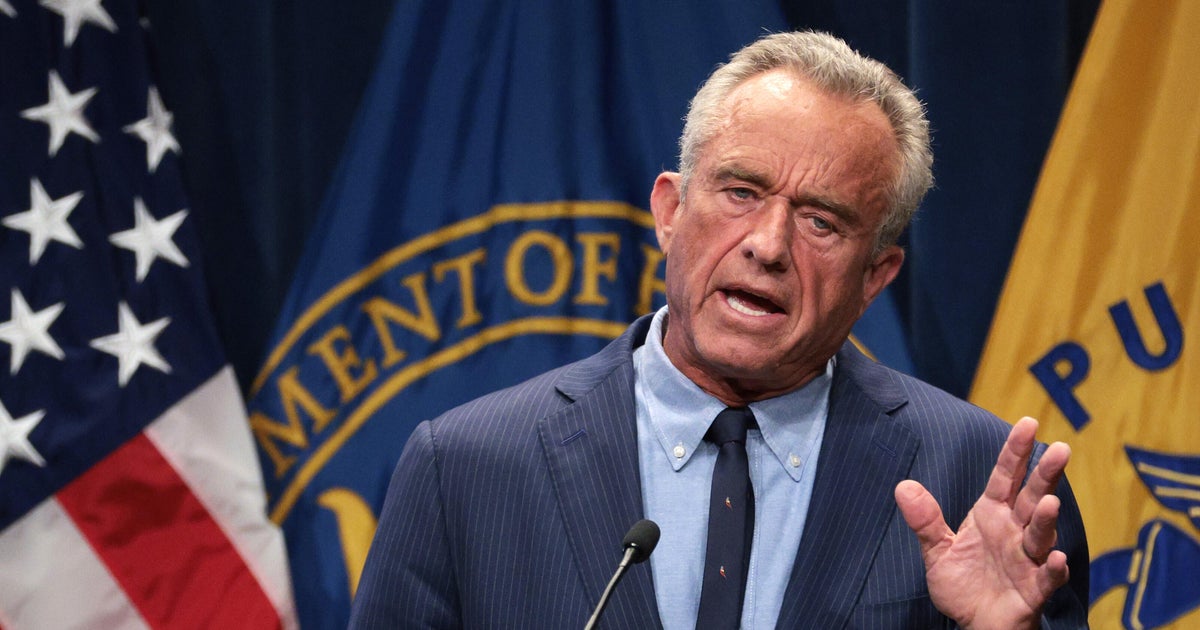
Robert F. Kennedy Jr., who serves as Secretary of Health and Human Services, told KFF Health News on May 7, 2026 that he does not plan to run for president in 2028. Kennedy is attempting to balance priorities of his Make America Healthy Again (MAHA) supporters—who press him to advance policies including greater parental choice on childhood vaccines, limits on certain pesticides, and investigations of fringe environmental claims—with the Trump White House, which has taken several actions that MAHA supporters view as constraining the movement’s agenda. Recent White House moves cited in the article include the nomination of Dr. Erica Schwartz to lead the CDC, the withdrawal of Casey Means’s nomination for surgeon general and the nomination of Nicole Saphier for that post, and other administration decisions that reflect more mainstream public-health positions. Kennedy has moderated some public emphasis on vaccines, focusing more on nutrition, affordability of healthcare and drug prices in congressional appearances, and he is expected to campaign for Republican candidates in competitive midterm races. The article cites polling showing weak support for Kennedy as a presidential contender among some conservative audiences, notes that roughly one-third of U.S. voters identify as MAHA supporters in a Politico poll, and reports that voters rank vaccine policy and healthcare costs as influential issues for upcoming elections. The piece includes views from MAHA allies, administration officials, scholars and poll results to describe the tensions and political calculations around Kennedy’s role.
Biblical Reflection
From a Christian perspective, this story raises questions about how leaders steward influence, represent truth, and care for vulnerable people. The article documents a public official trying to hold together a political movement with strong activist demands while serving in a federal role that requires allegiance to public-health standards and pluralistic governance. Christians should note several things: (1) Truth and evidence matter. Many MAHA claims discussed in the article involve contested or debunked assertions (for example, long-debunked links between vaccines and autism are referenced); Christians are called to seek truth (John 8:32) and to test claims rather than accept conspiratorial narratives uncritically. (2) Loving neighbors includes protecting the vulnerable. Public-health policy involves trade-offs that affect children, the sick, and the elderly; stewardship and care for the vulnerable are biblical imperatives (e.g., Proverbs and James), so policy preferences should be weighed against real-world harms and benefits, not only ideology or political loyalty. (3) Beware of idolatry of political figures. The intense expectations some MAHA supporters place on Kennedy—wanting him to be a deliverer of a comprehensive agenda—mirror tendencies to expect salvation from political leaders rather than God. Scripture repeatedly warns against placing ultimate trust in princes or factions (Psalm 146:3). The article itself largely reports facts and quotes competing viewpoints, but readers should be aware that repeated citations of polls, activist voices, and partisan framing can amplify fringe claims or exaggerate their prevalence. Christians are called to exercise discernment, to speak truth in love (Ephesians 4:15), and to advocate for policies that promote justice, care for the vulnerable, and faithful stewardship of common goods, while resisting the spread of misinformation and political tribalism.
Scripture in context
This outlook does not yet include contextual Scripture citations. Do not treat a general biblical theme as an exegetical conclusion.
Faithful Response
No prescribed response is offered. Consider the reflection prompts below in your own church context.
Reflection and Discussion
- 1What standards of evidence does this article rely on, and where does it present opinion or partisan interpretation rather than verified fact?
- 2Are political loyalties or movement identities being prioritized over truth and the welfare of vulnerable people in the discussion around public-health policy?
- 3How does this coverage reveal the tendency to look to political figures for deliverance, and how should Christians balance civic engagement with ultimate trust in God?
Sources
Reporting links are evidence inputs; Sanctuary News' biblical reflection is commentary.
This outlook currently relies on fewer than two linked sources. Broaden verification before teaching from it.
- 1.Original reportprimary