News Summary
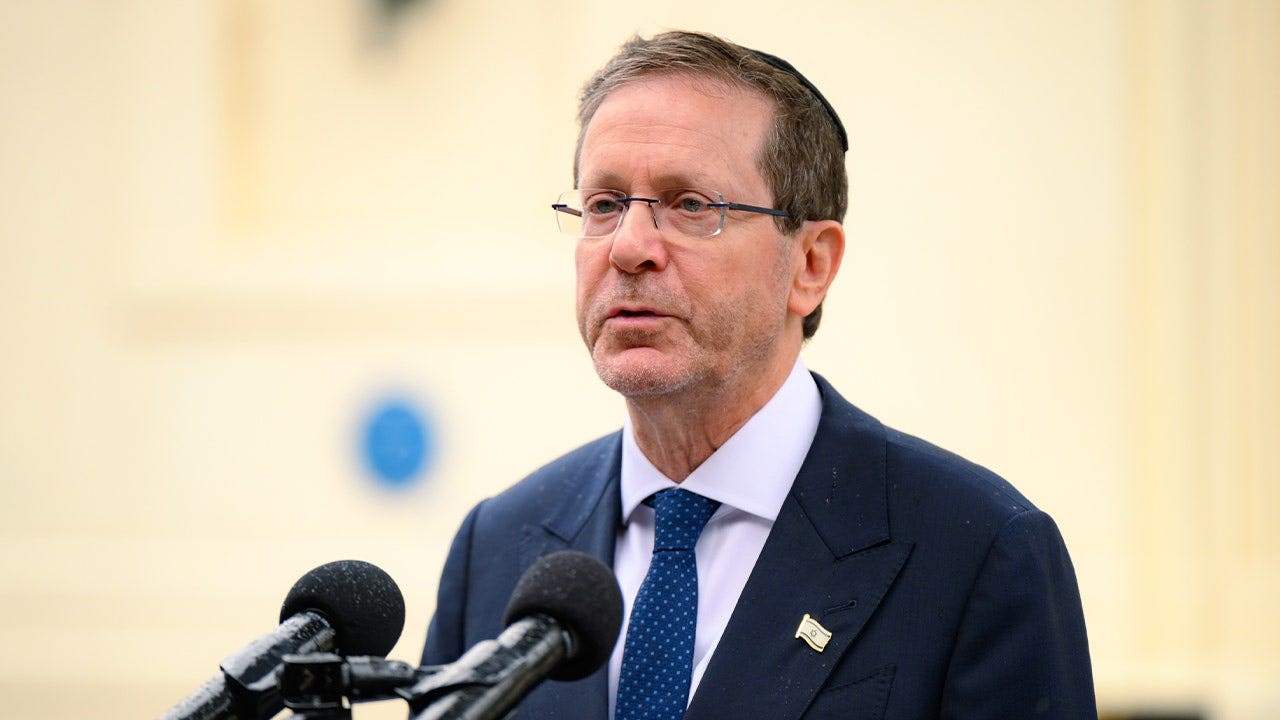
Israeli President Isaac Herzog said Iran-backed proxies, specifically Hezbollah, are violating a recent ceasefire and undermining prospects for peace between Israel and Lebanon. Herzog told Fox & Friends Weekend that Hezbollah continues to fire missiles and drones at Israel about 48 hours after the ceasefire began, and he called for the group's disarmament as central to any diplomatic solution. He also said Israel maintains close dialogue with the United States and raised concerns about Iranian arming of Hezbollah. The article reports that U.S. Vice President JD Vance is leading the U.S. delegation to peace talks in Switzerland and said he hopes to “make progress.” The piece notes Iranian statements that the country planned to partially re-close the Strait of Hormuz in response to ongoing ceasefire violations. The report quotes only Israeli officials and U.S. delegation remarks and is published by Fox News.
Biblical Reflection
From a Christian pastoral perspective, this story highlights the urgency of pursuing peace and protecting civilians while also showing how geopolitical narratives can simplify complex realities. The article relays Israeli leadership’s view that Hezbollah — backed by Iran — is actively sabotaging a ceasefire and that disarmament is essential; those claims are a legitimate perspective but are presented without countervailing views from Lebanese authorities, Hezbollah, or independent monitors. The framing emphasizes threat and culpability (a common security-focused worldview) and may encourage binary thinking: armed actor = illegitimate, state ally = solely righteous. A faith-shaped response recognizes the need for truthful reporting and firm rejection of violence, but also calls for mercy, restraint, and careful attention to voices not quoted here (Lebanese civilians, humanitarian actors, neutral observers). Christians should pray for just protection for the vulnerable, wise diplomacy that seeks durable peace rather than short-term advantage, and moral clarity that resists dehumanizing language even toward violent actors. Practically, be skeptical of single-source claims of causation and weigh diplomatic, political, and humanitarian dimensions together rather than accepting securitized framing as the whole picture.
Scripture in context
This outlook does not yet include contextual Scripture citations. Do not treat a general biblical theme as an exegetical conclusion.
Faithful Response
No prescribed response is offered. Consider the reflection prompts below in your own church context.
Reflection and Discussion
- 1Whose perspectives and facts are missing from this account, and how would their inclusion change how we evaluate the situation?
- 2Does the language used (e.g., 'terror proxy') close off possibilities for diplomatic or political solutions, and how should Christians weigh security concerns against calls for mercy and restraint?
- 3What concrete risks to civilians and regional stability should shape Christian prayer and advocacy here, beyond choosing sides in a political narrative?
Sources
Reporting links are evidence inputs; Sanctuary News' biblical reflection is commentary.
This outlook currently relies on fewer than two linked sources. Broaden verification before teaching from it.
- 1.Original reportprimary