News Summary
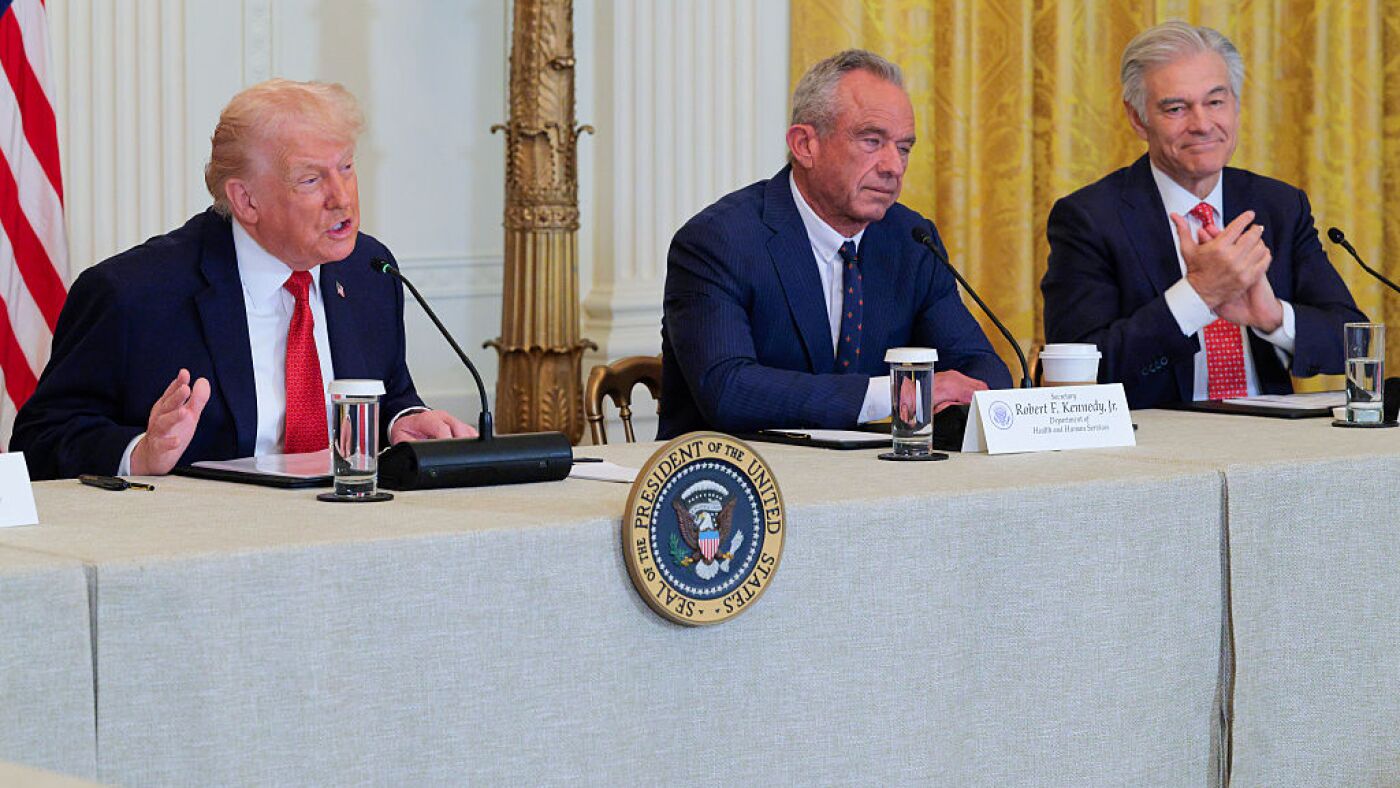
The article discusses the Rural Health Transformation Program, a new $50 billion, five-year federal initiative launched under the Trump administration to address disparities in rural health care. Each state will receive at least $100 million per year, with additional funds allocated based on factors such as rurality, proposed programs, and alignment with federal health priorities. The program encourages states to innovate and expand the rural healthcare workforce but limits how much of the money can go directly to providers. Controversy exists because this new funding comes alongside significant cuts to Medicaid and the Affordable Care Act, which some experts say will have a greater negative effect than the new funds can offset. Critics also point out that the distribution of the money does not always align with areas of greatest need. States are using the funds for projects like telehealth expansion, workforce development, and health policy reforms. The program is overseen by the new Office of Rural Health Transformation, and state compliance with federal health priorities can affect future funding.
Biblical Reflection
From a biblical perspective, caring for the sick, vulnerable, and marginalized is a core Christian value (Matthew 25:35-40). The intention to improve rural health care and address health disparities aligns with the call to 'love your neighbor as yourself' (Mark 12:31). However, the program’s limitations and the simultaneous deep cuts to Medicaid risk undermining the biblical mandate to protect the needy. If financial and political interests overshadow the needs of the poor and sick, this fails the scriptural standard of justice, compassion, and stewardship. The Bible repeatedly warns against policies that favor the powerful at the expense of the vulnerable (Isaiah 10:1-2). While innovation and workforce development are important, true transformation requires prioritizing those most at risk and ensuring that help reaches where it is most needed. Christians are called to advocate for justice and mercy in public policy, reminding leaders that every life is precious and deserving of care.
Scripture in context
This outlook does not yet include contextual Scripture citations. Do not treat a general biblical theme as an exegetical conclusion.
Faithful Response
No prescribed response is offered. Consider the reflection prompts below in your own church context.
Reflection and Discussion
- 1How do my values align with the biblical call to defend and care for the vulnerable in society?
- 2In what ways can I advocate for justice and compassion in my community or in public policy?
- 3Am I attentive to the needs of those who are often overlooked, such as rural or marginalized groups?
Sources
Reporting links are evidence inputs; Sanctuary News' biblical reflection is commentary.
This outlook currently relies on fewer than two linked sources. Broaden verification before teaching from it.
- 1.Original reportprimary