News Summary
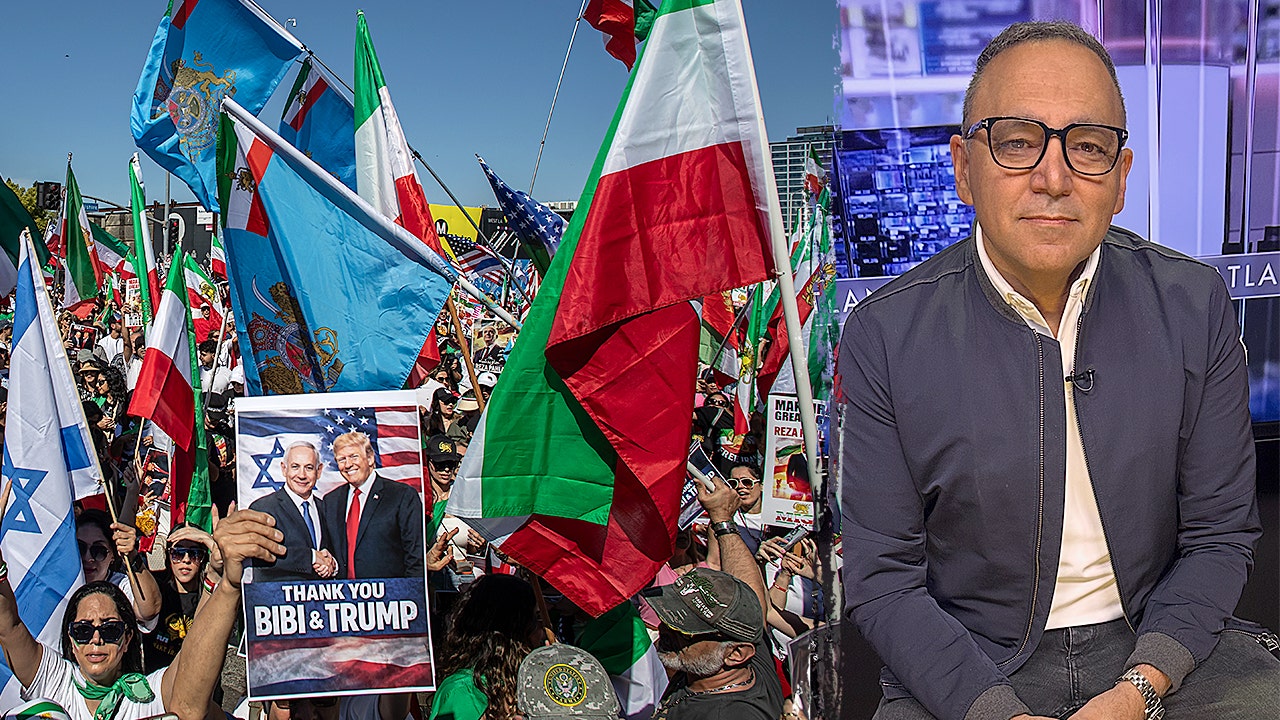
The article recounts the story of Pastor David Nasser, who as a 9-year-old boy was held at gunpoint in Iran during the 1979 revolution before fleeing the country with his family. His father’s military background made the family targets for the new regime. They escaped under the pretense of seeking medical care, ultimately finding asylum in the United States. Now an American pastor, Nasser reflects on his traumatic experiences and calls for hope, democracy, and prayer for Iranians still living under oppression. He expresses a desire to be part of rebuilding Iran should the nation transition from theocracy to democracy. Nasser highlights the growth of the underground Christian church in Iran, noting that conversion from Islam to Christianity is punishable and dangerous. Despite persecution, millions of Christians reportedly worship in secret. Nasser’s story is both a personal testimony and a call to prayer for those longing for freedom and protection in Iran.
Biblical Reflection
Viewed through a biblical lens, Pastor Nasser’s testimony is a powerful example of faith under fire and the resilience of hope in the face of oppression. Scripture repeatedly speaks of the oppressed and the refugee, calling believers to pray for and support those who suffer for righteousness' sake (Matthew 5:10). The flourishing of the underground church in Iran, despite severe persecution, echoes the early church in Acts, where opposition could not stifle the spread of the gospel. Nasser’s desire to see democracy and freedom in his homeland aligns with biblical values of justice, dignity, and the worth of every person (Micah 6:8). Yet, the core of his message is not political but spiritual: true transformation begins in the heart, regardless of government systems. Christians are called to pray for those in authority (1 Timothy 2:1-2), for the persecuted (Hebrews 13:3), and for the advancement of the gospel. The suffering of Iranian Christians challenges believers everywhere to remember that faithfulness often comes at great cost, and that God’s kingdom grows even in darkness. Nasser’s forgiveness and hope reflect Christ’s command to love our enemies and pray for those who persecute us (Matthew 5:44).
Scripture in context
This outlook does not yet include contextual Scripture citations. Do not treat a general biblical theme as an exegetical conclusion.
Faithful Response
No prescribed response is offered. Consider the reflection prompts below in your own church context.
Reflection and Discussion
- 1How does Pastor Nasser’s story challenge your understanding of faith under persecution?
- 2In what ways can you pray for and support those who suffer for their faith worldwide?
- 3What does it look like to 'overcome evil with good' in your own context?
Sources
Reporting links are evidence inputs; Sanctuary News' biblical reflection is commentary.
This outlook currently relies on fewer than two linked sources. Broaden verification before teaching from it.
- 1.Original reportprimary