News Summary
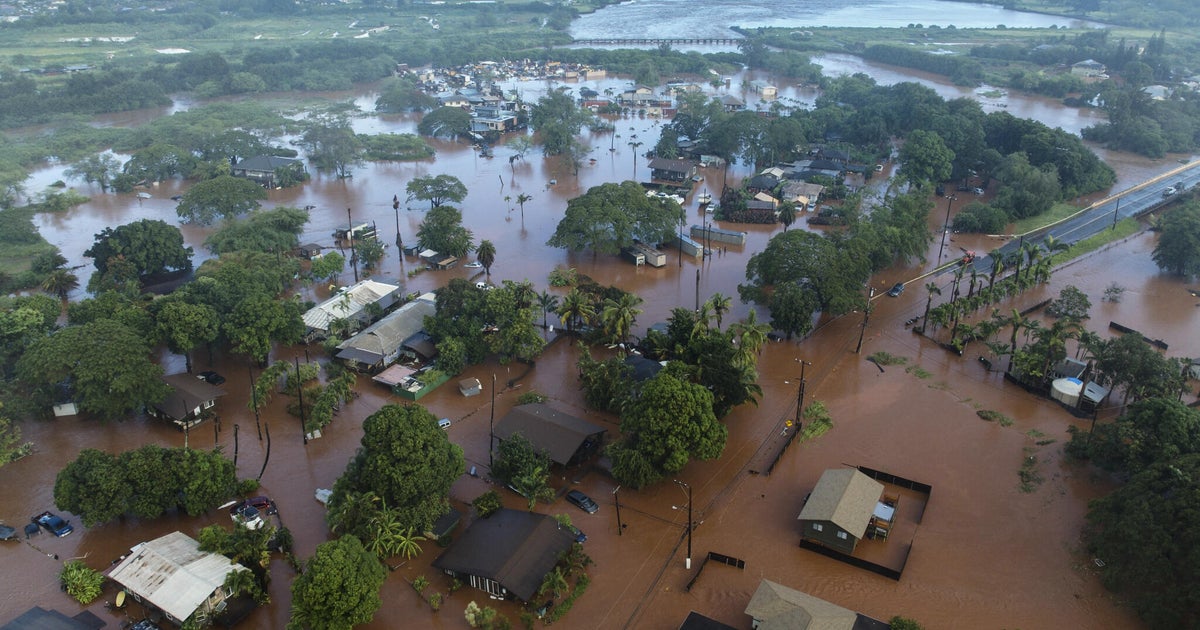
Severe rains inundated parts of Oahu’s North Shore on March 21, 2026, producing mud-filled floodwaters that damaged or destroyed homes, swept away vehicles, and prompted evacuation orders for roughly 5,500 people after officials warned the 120-year-old Wahiawa dam was at risk of imminent failure. Emergency sirens sounded, more than 200 people were rescued (233 reported by the mayor), and 72 children and adults were airlifted from a youth camp. The Hawaii National Guard was activated, multiple pet-friendly shelters opened, and officials searched by air and water despite some drone activity hampering operations. Authorities said there were no fatalities or missing persons as of the evening report, but officials warned the event could be the state's worst flood in 20 years, with potential damages exceeding $1 billion. Other islands, including parts of Maui, were also on alert as retention basins neared capacity; the story notes Hawaii’s aging dam infrastructure and prior flood-related dam incidents.
Biblical Reflection
Scripturally this story surfaces several clear themes: human vulnerability, the call to neighborly care, and the responsibility of stewardship. The floods expose how fragile our human systems — homes, dams, roads — are in the face of God’s created weather. Scripture does not promise immunity from natural disaster, but it does call God’s people to respond with compassion and practical aid (Matthew 25; Luke 10). The authorities’ evacuations, rescue efforts, sheltering of pets, and activation of the National Guard are examples of communal responsibility and mercy in action. At the same time, the report invites sober reflection on stewardship and accountability: the warnings about aging dams and previous breaches point to the biblical principle that wisdom, planning, and care for the vulnerable matter (Proverbs 27:12; Luke 14:28–30). Christians should neither exploit fear nor minimize risk; rather we are called to pray, to help materially and sacrificially, to advocate for wise investment in infrastructure that protects the most vulnerable, and to comfort those who have lost homes or livelihood. Finally, this moment is a reminder of God’s sovereignty and compassion — crises test our faith, reveal communal priorities, and offer opportunities to demonstrate Christ-like love through rescue, relief, and long-term rebuilding.
Scripture in context
This outlook does not yet include contextual Scripture citations. Do not treat a general biblical theme as an exegetical conclusion.
Faithful Response
No prescribed response is offered. Consider the reflection prompts below in your own church context.
Reflection and Discussion
- 1How can I practically help neighbors affected by this flood — today and in the long-term rebuilding?
- 2What steps does my community need to take to better steward infrastructure and protect the vulnerable before the next disaster?
- 3In the face of anxiety about safety, how can I anchor my hope in God while acting responsibly and compassionately?
Sources
Reporting links are evidence inputs; Sanctuary News' biblical reflection is commentary.
This outlook currently relies on fewer than two linked sources. Broaden verification before teaching from it.
- 1.Original reportprimary