News Summary
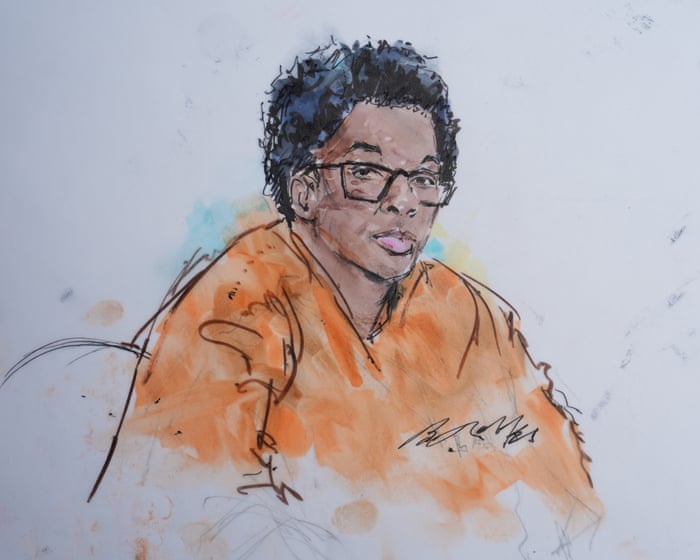
Reported facts: A hearing is underway to decide whether the singer D4vd (David Anthony Burke) will stand trial; defense lawyers questioned an LAPD criminalist about testing of evidence recovered from the singer’s home; prosecutors allege Burke fatally stabbed 14-year-old Celeste Rivas Hernandez and contend the killing was to prevent exposure of a sexual relationship. Attributed claims: The motive and relationship details are presented as prosecutor allegations. Uncertainties: The article does not report the criminalist’s full testimony, the precise tests performed, the outcome of the hearing, or corroborating records from court filings or police statements.
Source and Framing Analysis
This summary relies on a single news report that itself is brief and appears truncated for longer coverage. The piece foregrounds the defense's scrutiny of forensic testing, which frames the procedural aspects of the hearing; it attributes motive and relationship claims to prosecutors rather than asserting them as established fact. Important procedural and forensic details (which tests were done, what results, specific testimony) are not provided, limiting independent verification and full assessment of evidentiary adequacy.
Biblical Reflection
This story raises two weighty Christian concerns: the protection of vulnerable persons and the pursuit of truthful, fair justice. The allegation involves a minor and accusations of sexual abuse and homicide—matters that demand compassion for the victim and rigor in the legal process. Christians should stand with the vulnerable, press for thorough, unbiased investigation, and resist the temptation to treat allegations as settled truth before courts decide.
At the same time, Christian witness calls us to honor due process and the rule of law. Questioning of forensic methods at a hearing is part of seeking truth; demanding careful, transparent testing is consistent with justice. Our response should avoid both cheap vindictiveness and reflexive defense of a public figure—seeking instead a posture of prayerful humility that wants both truth and mercy to prevail.
Finally, the cultural dynamics in the story—fame, media attention, and public judgment—can distort how communities understand guilt and innocence. Christians are called to be peacemakers who pursue truth and care for those harmed, including the accused’s need for a fair hearing and the community’s need for accountability and protection.
Scripture in context
This outlook does not yet include contextual Scripture citations. Do not treat a general biblical theme as an exegetical conclusion.
Faithful Response
No prescribed response is offered. Consider the reflection prompts below in your own church context.
Reflection and Discussion
- 1How should we hold together compassion for a named victim and commitment to fair legal process when allegations are public and painful?
- 2What assumptions might media coverage or our own biases bring to interpretations of forensic evidence and courtroom procedure?
- 3How does the presence of fame change community responses to criminal allegations, and how should Christians guard against those distortions?
Sources
Reporting links are evidence inputs; Sanctuary News' biblical reflection is commentary.
This outlook currently relies on fewer than two linked sources. Broaden verification before teaching from it.
- 1.D4vd lawyers challenge police testing of evidence found in singer’s homeprimary_reporting