News Summary
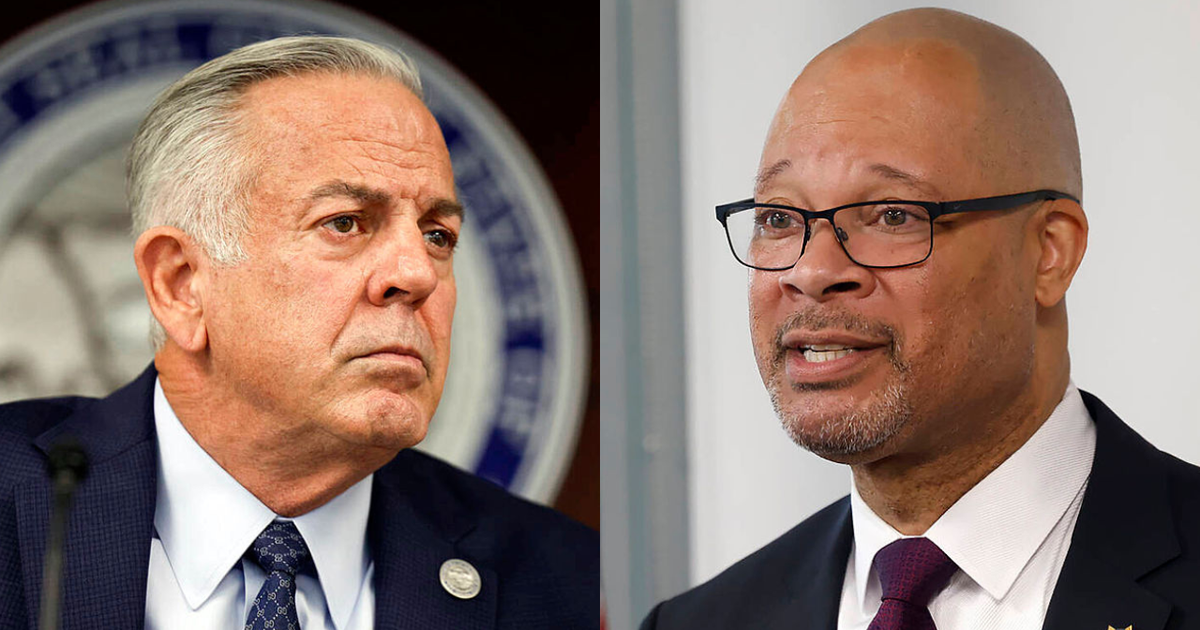
The article reports that healthcare affordability, especially fear of losing Medicaid coverage, has become a key voter concern in Nevada ahead of the November gubernatorial election between Republican Gov. Joe Lombardo and Democratic Attorney General Aaron Ford. Federal policy changes—described as Medicaid funding cuts and new work and eligibility requirements tied to recent federal actions—are projected to increase the number of uninsured nationally by an estimated 7.5 million by 2034 and reduce monthly SNAP recipients by about 2.4 million from 2025–2034. Nevada already had an 11.4% uninsurance rate in 2024; state officials estimate roughly 70,000 Nevadans could lose Medicaid under the new rules, and about 28,000 people in Nevada lost SNAP access in May. Nearly 300,000 Nevadans are self-employed or contractors without employer coverage, and the state’s ACA marketplace enrollment fell 5.5% this year after a record sign-up in 2025. A KFF national poll found two-thirds of respondents worried about affording healthcare and that healthcare costs influence voters’ choices, especially among Democrats and independents. The article summarizes Lombardo’s record (consolidating state benefit programs, supporting a children’s hospital, expanding behavioral health centers, earlier positions divergent from national Republicans on abortion and LGBTQ-related matters, and later actions aligning more with MAGA positions) and Ford’s background using public benefits and his campaign plan to lower drug costs, promote public-option plans, and cancel medical debt. Analysts quoted say healthcare affordability could disadvantage Republicans in the midterms and that Lombardo has tried to distance himself from former President Trump politically. The report draws on KFF polling, state official estimates, enrollment figures, and interviews with voters, campaign statements, and political scientists.
Biblical Reflection
The article highlights a concrete policy issue—healthcare affordability—that affects vulnerable neighbors and shapes civic life. The reporting centers real costs, enrollment figures, and projected impacts rather than pure rhetoric, but it relies on forecasts and polling that should be read as probable scenarios, not certainties. The piece frames the policy changes as politically consequential, emphasizing their electoral effects; readers should note that political interpretation is part of the story alongside the policy impacts. From a Christian perspective, the facts here sound a clear moral alarm: policies that risk removing coverage or food assistance from hundreds of thousands warrant careful scrutiny and compassionate response. Christians should resist reducing the issue to partisan advantage and instead ask which policies protect human dignity, provide for the poor and disabled, and steward communal resources rightly. The article can prompt faithful civic engagement—advocating for accountable leaders, supporting practical safety nets, and voting with compassion for those most at risk—while also reminding believers to test projections, check sources, and avoid letting fear or partisan loyalty override concern for neighbors.
Scripture in context
This outlook does not yet include contextual Scripture citations. Do not treat a general biblical theme as an exegetical conclusion.
Faithful Response
No prescribed response is offered. Consider the reflection prompts below in your own church context.
Reflection and Discussion
- 1Whose stories and data are centered in this coverage, and which affected people or local perspectives might be missing from the conversation?
- 2How do projections about coverage losses shape political choices—are we responding to likely outcomes, worst-case fears, or verifiable short-term impacts?
- 3When evaluating policy proposals, are we prioritizing human dignity and practical support for the vulnerable over political advantage or ideological purity?
Sources
Reporting links are evidence inputs; Sanctuary News' biblical reflection is commentary.
This outlook currently relies on fewer than two linked sources. Broaden verification before teaching from it.
- 1.Original reportprimary