News Summary
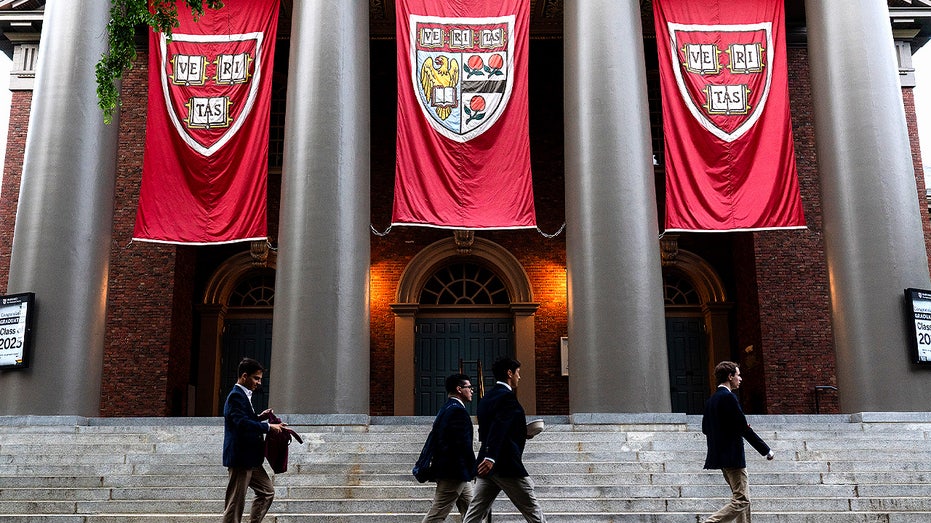
Reported facts: Fox News states Harvard received nearly $4.5 billion in foreign funding, the largest among U.S. colleges, and that Sen. Tom Cotton has requested the Department of Education investigate China-related funding. Attributed claims: the connection to China is presented in the headline and attributed to Cotton's demand for a probe. Uncertainty: the article provides no donor breakdown, no documentation of the alleged China-linked funds, and no response from Harvard or the Department of Education is included.
Source and Framing Analysis
Material uncertainty: the headline explicitly links the funding issue to China while the article body contains minimal factual detail—no donor lists, contribution types, dates, or contractual terms are provided. Framing effect: presenting 'foreign funding' alongside 'China' and a senator's demand for an investigation may prime readers to assume wrongdoing or security risk without showing the underlying evidence. The report is a single outlet summary of an allegation/request; independent documentation (university disclosures, federal filings, or official statements) is absent from the supplied reporting.
Biblical Reflection
This report highlights two legitimate concerns Christians should weigh: the need for honest stewardship and transparency in institutions that steward large public influence, and the requirement to avoid rushing to suspicion or scapegoating people because of national origin. Requests for investigation can be appropriate when there is credible evidence of impropriety, restrictions on academic freedom, or national-security risks. At the same time, faithfulness requires pursuing truth calmly and justly, protecting innocent scholars and students from blanket suspicion, and resisting rhetoric that frames whole peoples or nations as moral threats.
The article’s framings matter. The title links foreign cash to China and calls for a probe; the short body offers few details about donor identities, types of gifts, contractual limits, or the legal basis for an inquiry. Christians should insist on clarity and evidence before accepting allegations that could harm reputations or inflame anti-foreign bias. Advocate for transparency and accountability, but also for due process and the dignity of individuals and institutions until fuller facts are public.
Practically, this story calls Christians to pray for discernment, support measures that ensure honest reporting and lawful oversight, and to resist easy narratives that treat foreignness as equivalent to wrongdoing. Love of neighbor, including scholars and students, requires both concern for public safety and humility about what is not yet known.
Scripture in context
- 1Proverbs 11:1 — In its historical context, Proverbs offers practical wisdom for community life and commerce in ancient Israel, warning against dishonest measures and calling for integrity in how people weigh and trade goods. — Applied here, the passage calls Christians to insist on honest accounting and transparency in institutions that handle large gifts and public trust, while pursuing fairness and truth rather than rumor.
- 2Luke 6:31 — Luke records Jesus' teaching about treating others as we would like to be treated—a practical ethic for interpersonal conduct within a community that values mercy and restraint. — This counsel cautions Christians against quick condemnation of individuals or groups associated with a foreign nation and invites a posture of measured inquiry and respect for persons while still seeking accountability.
Faithful Response
Pray for discernment for public leaders, university officials, and investigators involved.
Seek fuller information before forming a public judgment: request donor breakdowns, grant agreements, and official responses from Harvard and the Department of Education.
Encourage church members to oppose xenophobia and to treat international students and scholars with hospitality and fairness while supporting lawful, evidence-based oversight.
Support policies and practices that promote transparent reporting of large gifts, clear conflict-of-interest rules, and protections for academic freedom.
Reflection and Discussion
- 1What standards of evidence and fairness should Christians insist public officials meet before calling for investigation or public censure?
- 2How does love of neighbor inform our response to institutions accused of wrongdoing when those institutions include international members and beneficiaries?
- 3How can Christians promote both transparency and academic freedom in institutions that receive large private and foreign gifts?
Sources
Reporting links are evidence inputs; Sanctuary News' biblical reflection is commentary.
This outlook currently relies on fewer than two linked sources. Broaden verification before teaching from it.
- 1.Harvard tops nation in foreign cash haul as Cotton demands probe into China fundingprimary_reporting