News Summary
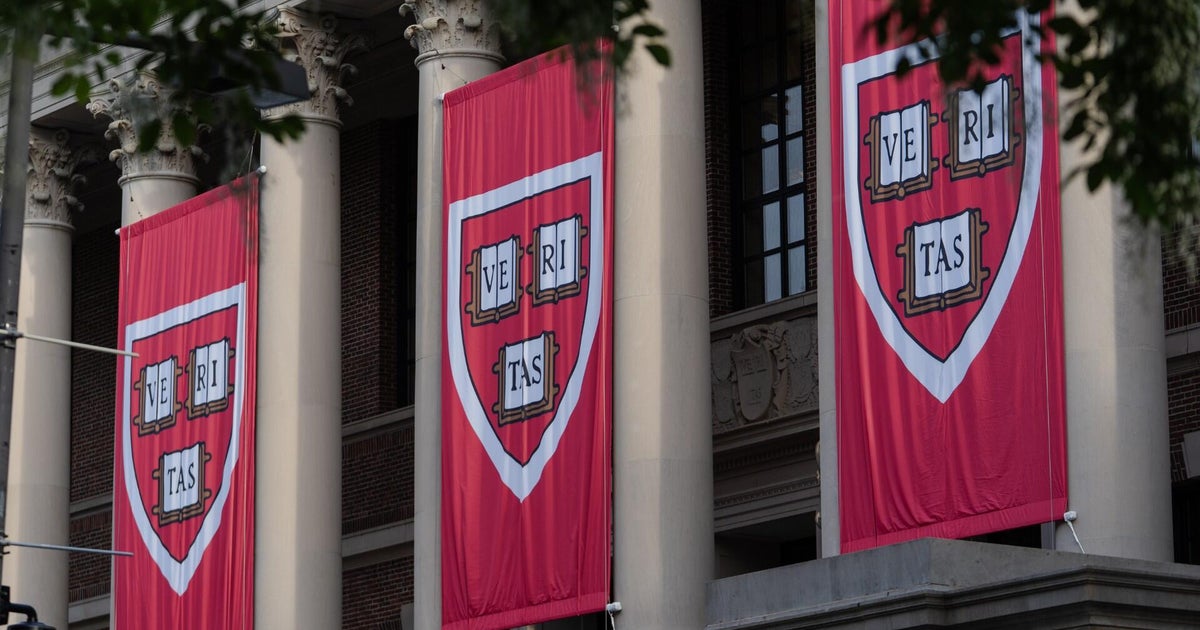
Harvard College faculty voted 458 to 201 to limit the share of A grades awarded in undergraduate courses to 20% of a class roster plus four additional A grades per course. There will be no cap on A- or other grades. A separate proposal that would have permitted courses to opt out of the cap was defeated, 364 to 292. The policy is set to take effect in fall 2027 and will be reviewed after three years. The Subcommittee on Grading and university officials said the change responds to rising rates of A grades—in 2025 A grades made up about 60% of undergraduate grades, up from 40% in 2015 and 20% in 2005—and to concerns from employers and graduate schools that transcripts no longer convey useful information. Harvard’s dean of undergraduate education endorsed the move as strengthening academic culture. Harvard student association leaders said they were disappointed students had not been more centered in the decision-making process.
Biblical Reflection
From a Christian perspective, the faculty’s stated aim—restoring truthfulness and meaning to academic evaluation—is commendable insofar as it seeks intellectual honesty and accountability. Proverbs repeatedly condemns dishonest measures and commends just dealings; a grading system that accurately communicates achievement serves teachers, students, and the wider community. At the same time, the policy raises spiritual and pastoral concerns. First, measures that increase competition for limited marks can intensify anxiety, pride, or comparison among students—temptations Scripture warns against (e.g., pride, anxiety over status). Second, focusing on statistical fixes risks treating grades as the sole measure of virtue or ability; the Bible calls us to value character, love, and faithful work (Colossians 3:23) alongside competency. Third, the reported lack of student-centered consultation suggests a governance gap: biblical wisdom prizes listening to those affected before making decisions (Proverbs 18:13; James 1:19). Practically, Christians should applaud efforts toward institutional integrity while watching for unintended consequences—shifts in how achievement is signaled (e.g., strategic grade inflation at other levels, gaming toward A-), impacts on student wellbeing, and equity concerns for learners from different backgrounds. The university’s move is a structural attempt to solve a collective-action problem; it may help restore clarity, but it should be paired with pastoral care, transparency, and measures that support holistic flourishing, not merely competitive sorting.
Scripture in context
This outlook does not yet include contextual Scripture citations. Do not treat a general biblical theme as an exegetical conclusion.
Faithful Response
No prescribed response is offered. Consider the reflection prompts below in your own church context.
Reflection and Discussion
- 1Does capping A grades address the root causes of grade inflation (pedagogy, assessment design, credential signaling) or mainly change the signal without changing how learning is evaluated?
- 2How might this policy affect students' sense of identity and worth—do we risk tying human value too tightly to scarce markers of excellence?
- 3Whose voices were centered in the decision (faculty, students, employers), and how should Christian leaders call for processes that include those most affected?
Sources
Reporting links are evidence inputs; Sanctuary News' biblical reflection is commentary.
This outlook currently relies on fewer than two linked sources. Broaden verification before teaching from it.
- 1.Original reportprimary