News Summary
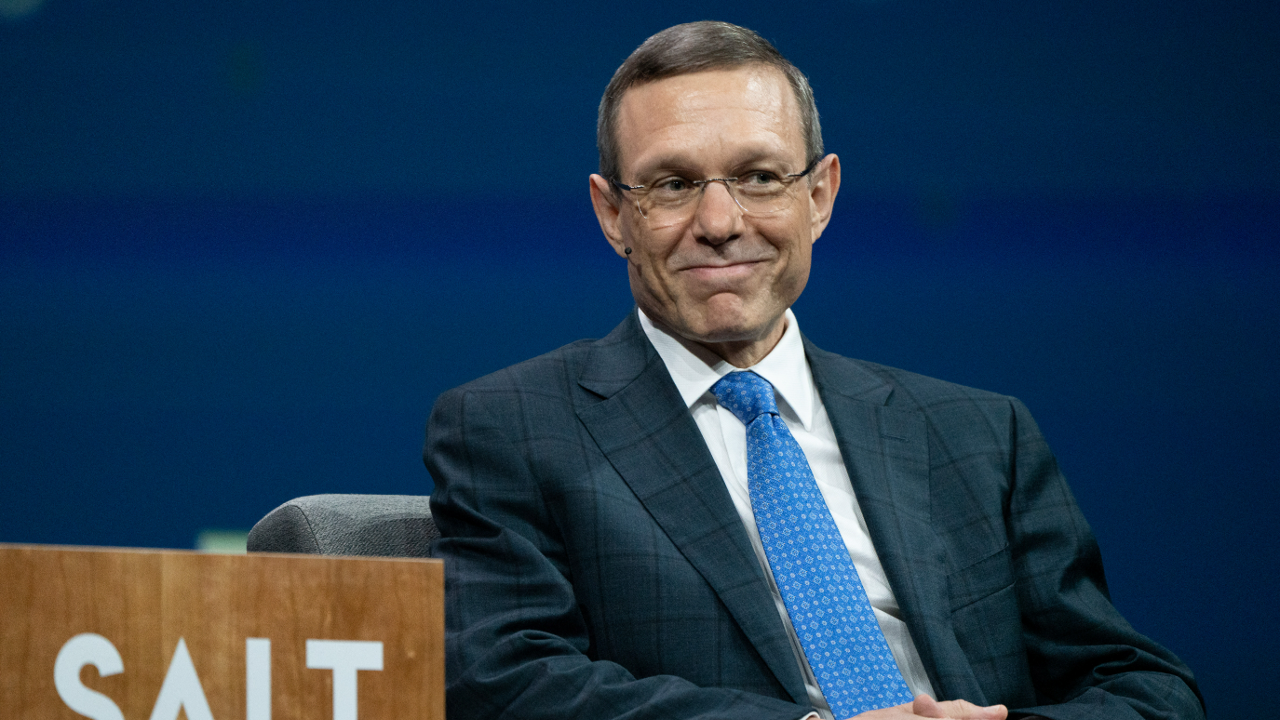
Harvard astrophysicist Avi Loeb was asked by the Office of the Director of National Intelligence in early June to form a scientific advisory council to assist the ODNI’s UAP Governing Board. Loeb says the administration engaged him because federal officials are "baffled" by multiple unidentified objects recorded by U.S. sensors over decades. His multi-scientist council is reviewing four batches of already-declassified UAP materials released publicly by the Trump administration and has formally requested some 50 additional videos, images, and documents from the Pentagon and other agencies; those requests have not been fulfilled, with custodial agencies citing national-security concerns about revealing sensor capabilities. Loeb says the council’s aims include determining whether observed UAPs originate from foreign adversaries (for example, unusual drones) or have non-human origins, recommending better sensors, and improving unclassified public data collection. He cautions that many sightings may have mundane explanations (space junk, sensor artifacts) but notes that if any incidents are genuinely non-human in origin it would be a major scientific discovery. The article also notes Loeb’s background (former Harvard astronomy chair, founder of the Galileo Project, prior public claims about possible extraterrestrial artifacts) and references recent declassification releases, including Apollo-era imagery now attributed by authorities to cosmic rays in at least one instance.
Biblical Reflection
This story sits at the intersection of scientific inquiry, public accountability, and national security. The stated intentions — independent scientific review, improving unclassified data, and advising on sensors — align with a pursuit of truth and prudent protection of the nation. At the same time, prior public positions held by Loeb and the long cultural appetite for sensational explanations can shape expectations and interpretation of ambiguous data. From a Christian perspective, truth-seeking is a moral good when pursued with humility, rigorous evidence, and transparency where possible; secrecy justified by legitimate security needs should be weighed against the public’s right to credible information. Christians should be cautious of both credulous excitement and conspiratorial dismissal: neither serves neighbor-love or faithful stewardship of facts. The article is straightforward on facts but leans into attention-grabbing elements (historic discoveries, possibility of “neighbors” visiting) that could encourage speculative leaps beyond available evidence. Pastoral discernment calls for encouraging careful science, holding claims lightly until verified, advocating for accountable governance, and resisting idolatry of novelty or fear-driven narratives.
Scripture in context
This outlook does not yet include contextual Scripture citations. Do not treat a general biblical theme as an exegetical conclusion.
Faithful Response
No prescribed response is offered. Consider the reflection prompts below in your own church context.
Reflection and Discussion
- 1Are we privileging exciting or supernatural explanations over ordinary, testable ones when data is ambiguous?
- 2How should legitimate national-security secrecy be balanced with the public’s need for transparent, credible information?
- 3What signs would make a scientific claim about non-human origins credible enough to change how we think about our place in creation?
Sources
Reporting links are evidence inputs; Sanctuary News' biblical reflection is commentary.
This outlook currently relies on fewer than two linked sources. Broaden verification before teaching from it.
- 1.Original reportprimary