News Summary
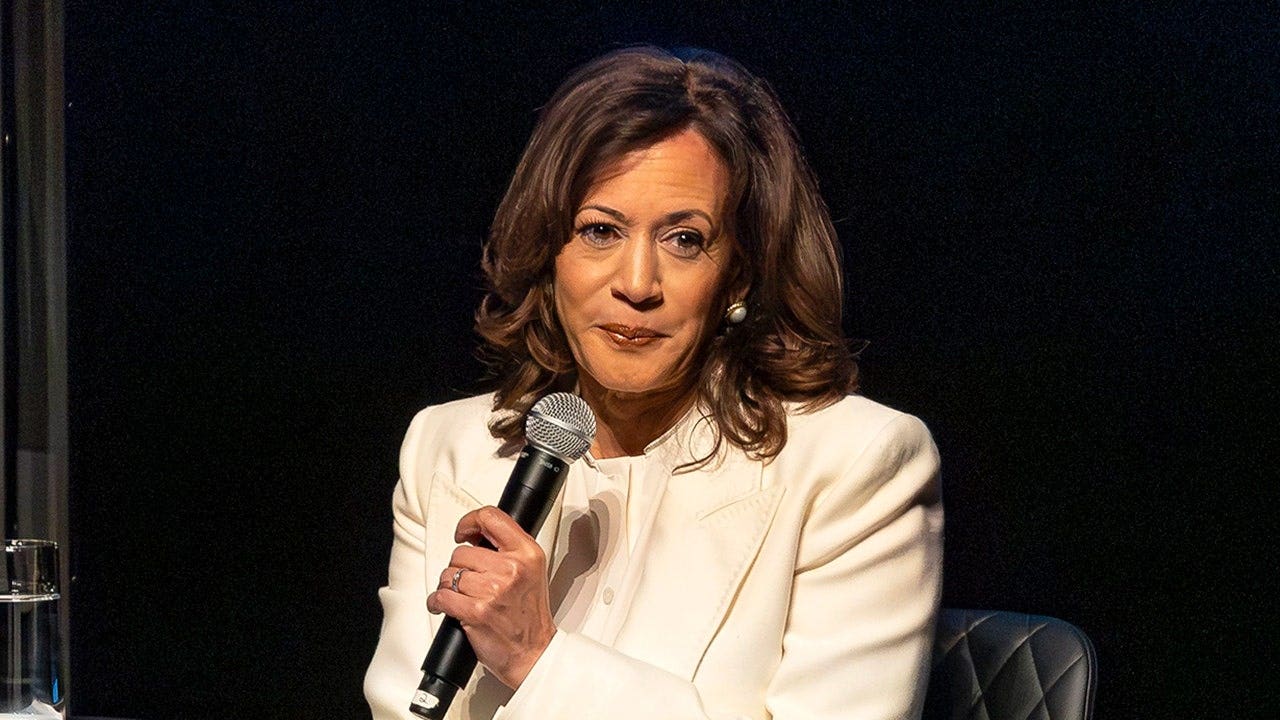
At the Austrian World Summit in Vienna, former Vice President Kamala Harris criticized President Donald Trump's reported memorandum of understanding (MOU) with Iran, calling the associated conflict a "war of choice" and predicting political consequences for Republicans in upcoming midterm elections. Harris compared the expected outcome to the 2015 JCPOA, saying the administration would declare victory while ending up where the U.S. was after the earlier deal. The article reports administration officials characterize the MOU as requiring Iran to halt nuclear weapons development and support for terrorist organizations, and says it would reopen traffic through the Strait of Hormuz. Fox News cites comments from retired Navy SEAL Mike Sarraille describing a $300 billion private-sector funding commitment as leverage during a 60-day negotiation period, and saying U.S. military presence will help enforce compliance. The MOU had not been released at the time of reporting. The article notes oil prices fell on a preliminary agreement and administration officials said consumers could see gas price relief beginning this summer; Harris tied the conflict to higher consumer fuel costs and said Americans have spent an estimated $500 more on average since the war began.
Biblical Reflection
This article reports political responses to a high-stakes international negotiation. The coverage mixes reported details about an unreleased MOU, officials' claims about enforcement mechanisms and economic incentives, and partisan commentary framing the deal as either a strategic victory or a political liability. Christians should note two realities: first, public statements from politicians in the run-up to elections are often framed to influence voters and may emphasize blame or victory more than nuance; second, international agreements that affect security and livelihoods are complex and require careful, sober scrutiny rather than partisan slogans. Evaluating truth requires checking primary documents (the MOU when released), independent analysis of security guarantees and enforcement mechanisms, and sober assessment of economic projections. Spiritually, Christians are called to seek peace, protect the vulnerable who suffer from war and economic disruption, and speak truth with humility. Rhetoric that simplifies complex diplomacy into scapegoating or triumphalism can inflame division and obscure responsibility for neighbors harmed by conflict and rising prices. Pray for leaders to act with wisdom and for the church to advocate for peace and the care of those most affected.
Scripture in context
This outlook does not yet include contextual Scripture citations. Do not treat a general biblical theme as an exegetical conclusion.
Faithful Response
No prescribed response is offered. Consider the reflection prompts below in your own church context.
Reflection and Discussion
- 1How does the timing of this criticism (during a major international negotiation and before midterm elections) shape the language and priorities of the speakers?
- 2Which claims in the story are assertions by officials or politicians and which are verifiable facts that will be confirmed only when the MOU is released?
- 3What assumptions about security, economic relief, and enforcement underlie the competing narratives, and whose well-being is prioritized in each?
Sources
Reporting links are evidence inputs; Sanctuary News' biblical reflection is commentary.
This outlook currently relies on fewer than two linked sources. Broaden verification before teaching from it.
- 1.Original reportprimary