News Summary
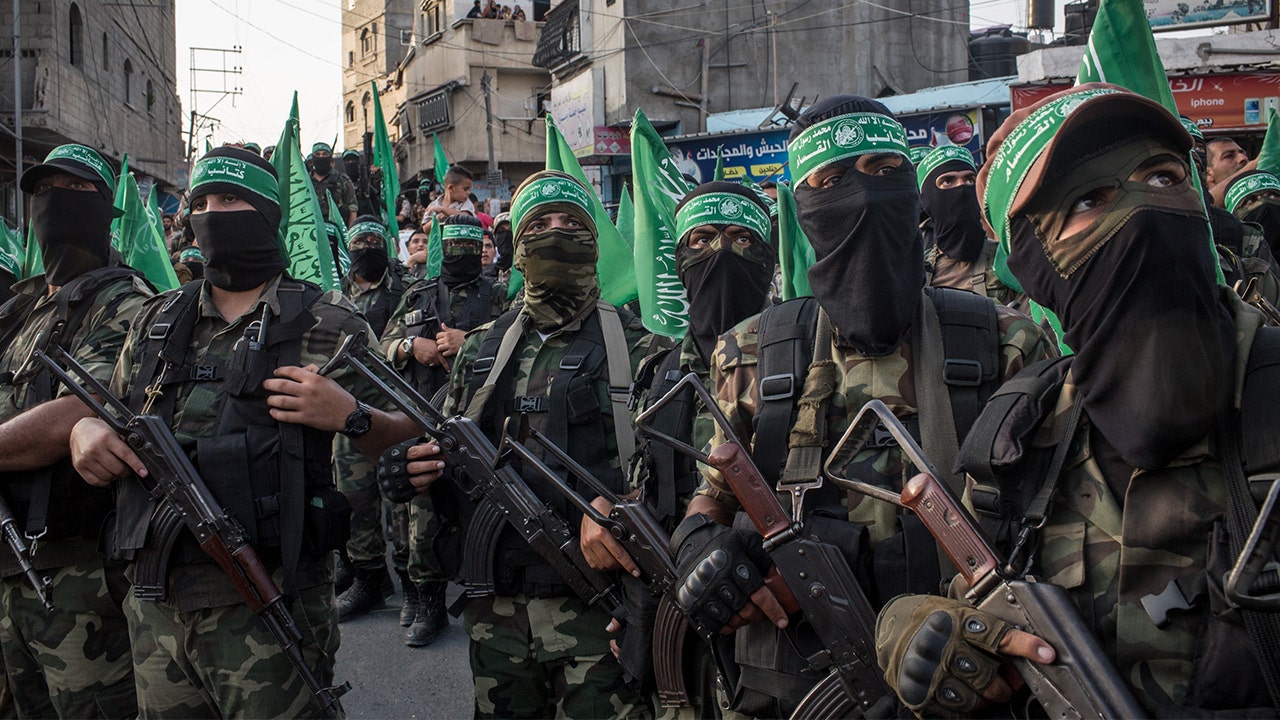
Hamas announced it has dissolved the Government Emergency Committee that had overseen Gaza’s civilian government, saying responsibilities will transfer to the National Committee for the Administration of Gaza (NCAG), a U.S.-backed technocratic body based outside Gaza. Hamas made no commitment to disarm or to relinquish its security and military structures. Israeli officials and critics characterized the move as largely symbolic, saying Hamas may be surrendering civilian burdens while retaining armed control — a model Israel compared to Hezbollah in Lebanon. Mediators including Egypt, Qatar and Turkey have been involved in discussions; the NCAG says it is prepared to operate once conditions allow. The Trump-led Board of Peace and international actors, including the U.N., responded cautiously: some welcomed steps toward implementing the ceasefire and humanitarian aims, while calling for actions rather than promises. Observers say the key test will be whether the NCAG can enter Gaza, exercise independent authority, and whether Hamas will give up its security and military control as part of any post-war arrangement.
Biblical Reflection
From a Christian perspective, this announcement should be received with both hope for reduced civilian suffering and sober discernment about power and truth. The public claim to transfer civilian duties may signal opportunity for humanitarian access and administrative stabilization, but the absence of disarmament raises strong grounds for skepticism: historically, declarations that leave armed control unchanged often preserve the status quo of fear and insecurity for civilians. The article reflects a security-first worldview (Israeli officials) and a pragmatic diplomatic framing (mediators, technocrats), and the coverage leans on voices that warn of performative steps. Christians should test claims against observable actions, prioritize protection of the vulnerable, and be wary of narratives that simplify complex loyalties into binary righteousness. Pursuing justice for victims, compassion for civilians, and prayers for conversion of hearts are compatible aims — while also calling leaders and mediators to insist on real demilitarization and accountability if sustainable peace and safety are to be achieved.
Scripture in context
This outlook does not yet include contextual Scripture citations. Do not treat a general biblical theme as an exegetical conclusion.
Faithful Response
No prescribed response is offered. Consider the reflection prompts below in your own church context.
Reflection and Discussion
- 1Who materially benefits if an armed group relinquishes civilian tasks but keeps its weapons, and how does that affect prospects for lasting peace?
- 2Which claims in this report are based on announced intent versus verifiable action, and how should Christians weigh those differently?
- 3How does the language used by each actor (Hamas, Israel, mediators, U.N.) reveal their primary priorities and possible biases?
Sources
Reporting links are evidence inputs; Sanctuary News' biblical reflection is commentary.
This outlook currently relies on fewer than two linked sources. Broaden verification before teaching from it.
- 1.Original reportprimary