News Summary
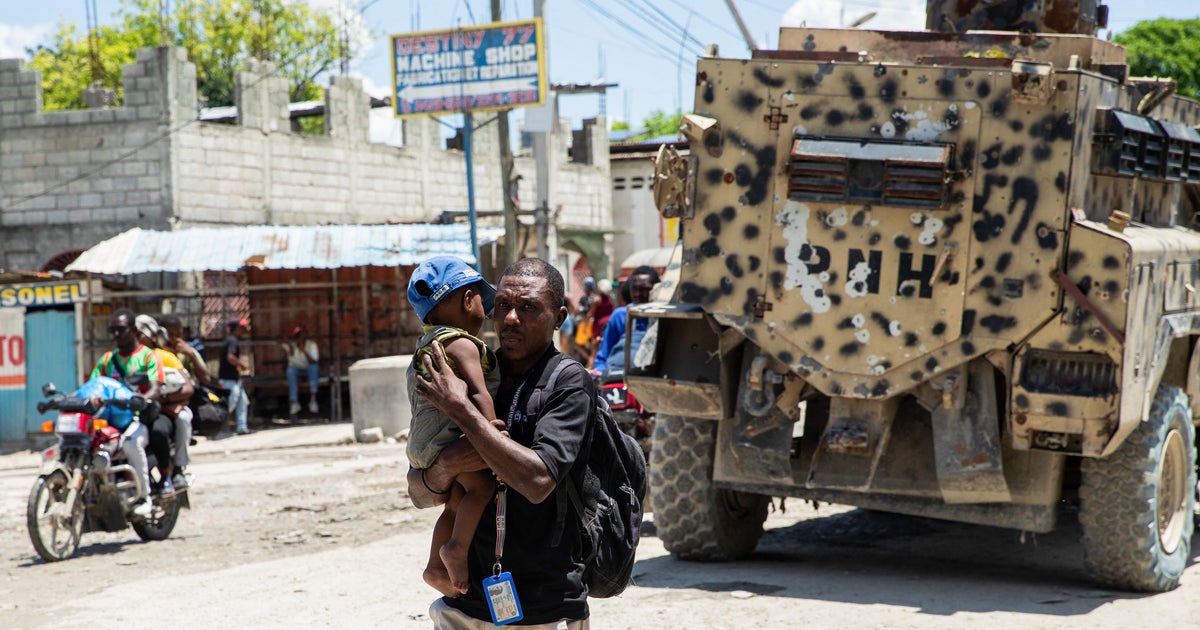
James Boyard, cabinet director of Haiti's Defense Ministry and inspector general of the national police, was kidnapped Thursday in Bourdon, a neighborhood of Port-au-Prince considered relatively safe, according to local media and an unnamed person with knowledge of the situation. It was not publicly clear who carried out the abduction or whether a ransom has been demanded. Observers note Boyard's high rank and security detail, and analysts say the seizure may have required planning and possible collusion with someone close to his protection. An estimated 70% of Port-au-Prince is controlled by a gang coalition known as Viv Ansanm, designated a foreign terrorist organization by the U.S. in 2025. Gangs in the capital have increasingly operated in areas formerly considered safe, sometimes impersonating police, and have targeted officials and people with dual nationality, possibly to extract higher ransoms or deter security operations. Police recently attacked Village de Dieu, territory of the 5 Segond gang. United Nations reporting cited in the article recorded at least 267 kidnappings from December 2025 to February 2026 and 1,268 kidnappings in 2025 (a decline from 2,058 the previous year).
Biblical Reflection
This report documents a distressing sign of weakened state authority and growing lawlessness: a senior security official taken from an area once seen as relatively secure. The facts presented—anonymous confirmations, gang control estimates, and UN kidnapping tallies—point to a genuine security crisis rather than mere sensationalism. Still, readers should note the article leans on anonymous sources and analyst interpretation where direct confirmation is limited; that invites caution about specific motives or claims of collusion until investigators release findings. From a Christian pastoral perspective the story calls us to mourn the breakdown of order that harms the vulnerable and to pray for those endangered. The narrative highlights both immediate human suffering and longer-term institutional collapse; Christians should resist narratives that reduce the crisis to villain-only caricatures and instead ask how corruption, poverty, failed governance, and international dynamics have contributed. Love of neighbor requires advocating both for just security measures that protect civilians and for mercy toward those trapped by violent systems, while insisting on accountability for perpetrators. The church's role is to offer refuge, truthful witness, and practical help—holding authorities to justice without abandoning compassion for the desperate conditions that fuel violence.
Scripture in context
This outlook does not yet include contextual Scripture citations. Do not treat a general biblical theme as an exegetical conclusion.
Faithful Response
No prescribed response is offered. Consider the reflection prompts below in your own church context.
Reflection and Discussion
- 1Are we receiving enough verified information to distinguish between isolated criminal acts and a deeper breakdown of state authority, and how should that affect our response?
- 2How might focusing only on criminal actors obscure the structural causes—poverty, governance failure, and external influences—that enable gang violence?
- 3In advocating for security, how do we balance calls for forceful action with the Christian obligations to protect civilians, pursue justice, and offer mercy to those trapped by violence?
Sources
Reporting links are evidence inputs; Sanctuary News' biblical reflection is commentary.
This outlook currently relies on fewer than two linked sources. Broaden verification before teaching from it.
- 1.Original reportprimary