News Summary
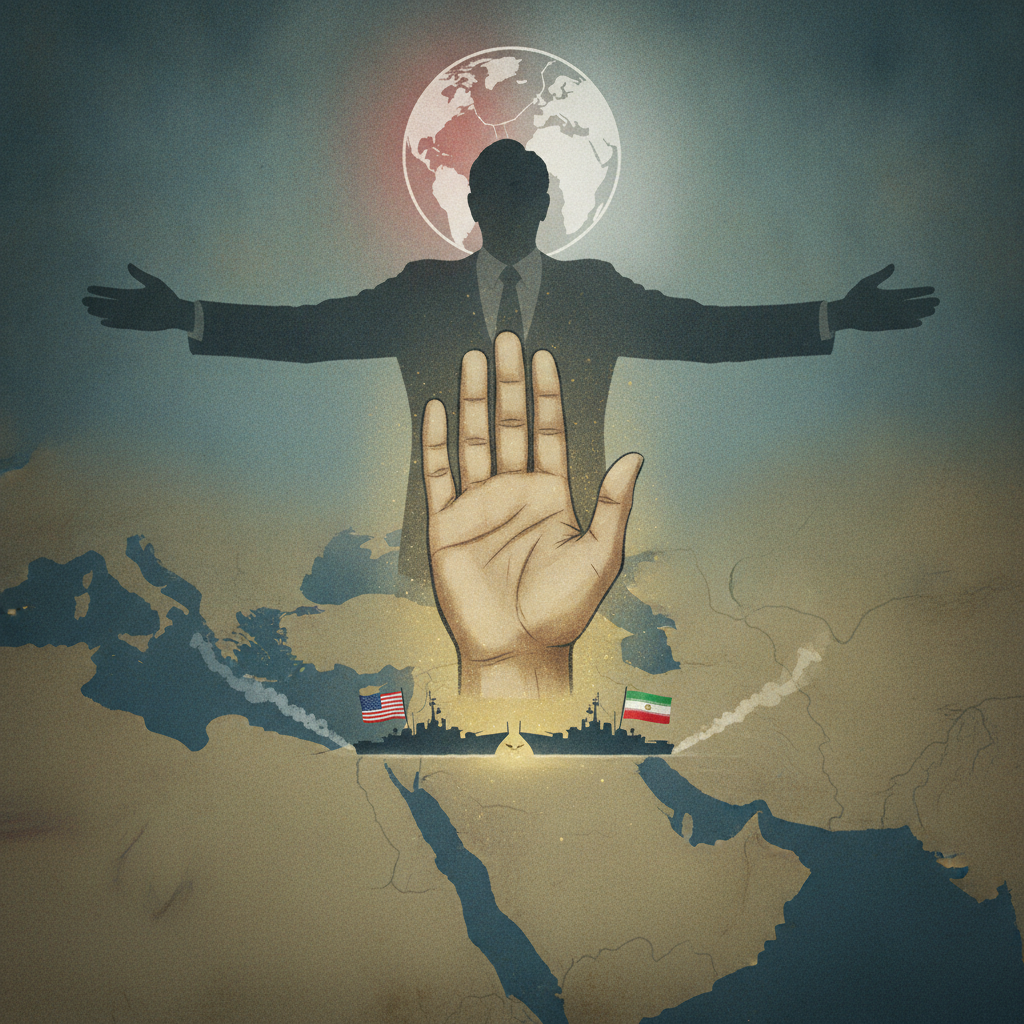
Reported facts: UN Secretary‑General António Guterres issued a public statement on 15 July 2026 expressing deep concern about a continuing military escalation in the Middle East and calling for de‑escalation, warning against a return to full‑scale war. The article reports ongoing strikes involving the United States and Iran linked to control of the Strait of Hormuz. Attributions: the characterization of escalation and the attribution of strikes to the United States and Iran come from the UN Secretary‑General's statement as reported by UN News. Uncertainties: the piece does not provide details on the scope, timing, casualties, legal authorizations, or independent confirmation of the strikes; it does not report responses from the named states or impacted civilian populations.
Source and Framing Analysis
This is a single UN News report relaying a public statement from the UN Secretary‑General. The framing emphasizes urgent concern and a de‑escalatory appeal, which is consistent with the UN role but limits operational detail. Material uncertainties that affect understanding include lack of independent verification of the strikes, absent casualty or damage figures, and no information about which forces or proxies carried out specific actions. Because the article transmits a diplomatic plea rather than investigative reporting, readers should treat the operational claims as reported by the UN rather than as independently established facts.
Biblical Reflection
From a Christian pastoral perspective the report highlights the urgent moral priority of pursuing peace and protecting civilians when states and militaries clash over strategic interests. The UN statement is de‑escalatory in tone and centers responsibility on leaders to prevent wider conflict — a stance that aligns with biblical calls to seek peace, protect the vulnerable, and plead for justice. The brief report leaves open key factual questions about scope, accountability, and the human cost; Christians should therefore refrain from premature judgments, resist vilifying whole peoples, and advocate for truth, compassionate aid, and diplomatic solutions that minimize harm.
Scripture in context
- 1Matthew 5:9 — Part of Jesus' Sermon on the Mount addressing the character of those who belong to God's kingdom; it elevates peacemaking as a blessed, kingdom virtue rather than mere absence of conflict. — The passage frames peacemaking as an active, costly calling for believers and supports prayerful advocacy for de‑escalation and reconciliation in situations of international conflict.
- 2Isaiah 2:4 — A prophetic vision of future peace in which nations abandon instruments of war; historically addressed to a people familiar with war and imperial conflict, pointing ahead to God's reordering of human affairs. — This imagery reminds Christians to long for and work toward structural changes that reduce the causes of war (competition for strategic control, resource conflicts), while caring for those now harmed.
Faithful Response
Pray regularly for leaders, diplomats, and civilians affected by the Gulf escalation; include specific petitions for de‑escalation and protection of the vulnerable.
Seek reliable information before forming public judgments; avoid amplifying unverified claims and resist dehumanizing rhetoric.
Support reputable humanitarian organizations providing medical, food, and refugee assistance to civilians affected by Gulf tensions.
Contact elected representatives to encourage diplomatic solutions, protection for shipping and civilians, and support for humanitarian relief (without endorsing partisan positions).
Reflection and Discussion
- 1How does the call to 'de‑escalate' challenge our assumptions about strength, justice, and the use of force in international relations?
- 2Where can our local congregation tangibly offer mercy to those affected by distant conflicts, and how do we fund and sustain that care?
Sources
Reporting links are evidence inputs; Sanctuary News' biblical reflection is commentary.
This outlook currently relies on fewer than two linked sources. Broaden verification before teaching from it.
- 1.Gulf crisis: Guterres calls for de-escalation, warns against return to full-on warofficial_document