News Summary
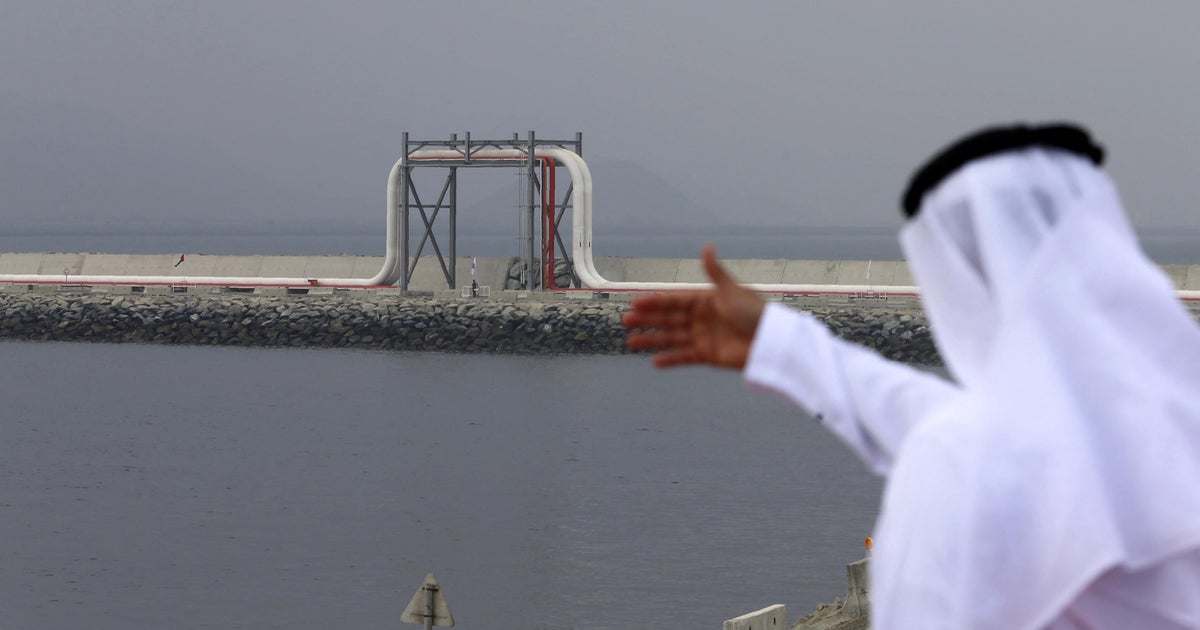
Reported facts: CBS News states that attacks attributed to Iran have reduced ship traffic through the Strait of Hormuz and that Gulf oil producers are planning multi-billion-dollar pipeline and infrastructure projects to bypass the Strait. Attributed claims: the article attributes the shipping slowdown to Iran's attacks and links that disruption to higher oil prices and to the reported infrastructural plans. Uncertainties: the report does not provide detailed data on traffic volumes, specific project names, participating countries, timelines, or precise cost figures.
Source and Framing Analysis
The story relies on a single news report and frames the situation chiefly in terms of economic disruption and infrastructure responses. Material uncertainties include which Gulf states are committing funds, exact project costs and timelines, and independent shipping-traffic or price data. The framing emphasizes state-level economic responses and national security concerns and gives less attention to humanitarian impacts, environmental implications of new fossil-fuel infrastructure, or diplomatic avenues for de-escalation.
Biblical Reflection
This reporting highlights a practical response by oil-producing states to a security threat: diversifying export routes to protect national revenue and energy markets. From a Christian perspective, it is legitimate for nations to protect their people and economy, but that legitimate concern must be balanced with a pursuit of peace and care for those harmed by conflict. The article frames the situation primarily in economic and security terms; it does not examine humanitarian effects, long-term environmental consequences of fossil-fuel infrastructure, or diplomatic options to reduce the underlying violence.
Christians should note two tensions. First, the instinct to secure resources and protect livelihoods is understandable and can be responsible stewardship; second, investments that entrench fossil-fuel dependency raise moral questions about stewardship of creation and the burdens placed on poorer nations when prices rise. The Christian call is to pursue truth, work for peace, protect the vulnerable affected by economic shocks, and press leaders toward solutions that reduce conflict rather than simply adapt to it.
Practically, this story calls believers to pray for de-escalation, to support humane relief for those hurt by broader economic impacts, and to encourage public leaders toward diplomacy and measures that safeguard both people and the common good without relying solely on militarized security or fossil-fuel entrenchment.
Scripture in context
- 1Matthew 5:9 (Beatitudes) — In the Sermon on the Mount Jesus calls his followers to be peacemakers—people who actively work to reconcile and reduce violence, in a context that contrasts retaliation with kingdom ethics. — This passage challenges Christians to prefer avenues that reduce conflict and protect the vulnerable; national security measures should be paired with vigorous pursuit of peace and reconciliation where possible.
Faithful Response
Pray specifically for de-escalation, protection for civilians and seafarers, and wisdom for diplomats.
Support or volunteer with organizations providing relief to populations hurt by higher energy costs or disrupted trade.
Speak and vote for policies that prioritize diplomacy and humane responses to conflict while encouraging responsible stewardship of creation and long-term transitions away from fossil-fuel dependency.
Reflection and Discussion
- 1How should our concern for national and economic security be informed by the command to love neighbor, especially those most harmed by market shocks?
- 2What forms of Christian peacemaking can be applied to international tensions that threaten global commerce and civilian safety?
- 3Does investing in new fossil-fuel infrastructure align with long-term stewardship of creation, and how should that shape Christian counsel to leaders?
Sources
Reporting links are evidence inputs; Sanctuary News' biblical reflection is commentary.
This outlook currently relies on fewer than two linked sources. Broaden verification before teaching from it.
- 1.Middle East oil producers step up plans to bypass the Strait of Hormuzprimary_reporting