News Summary
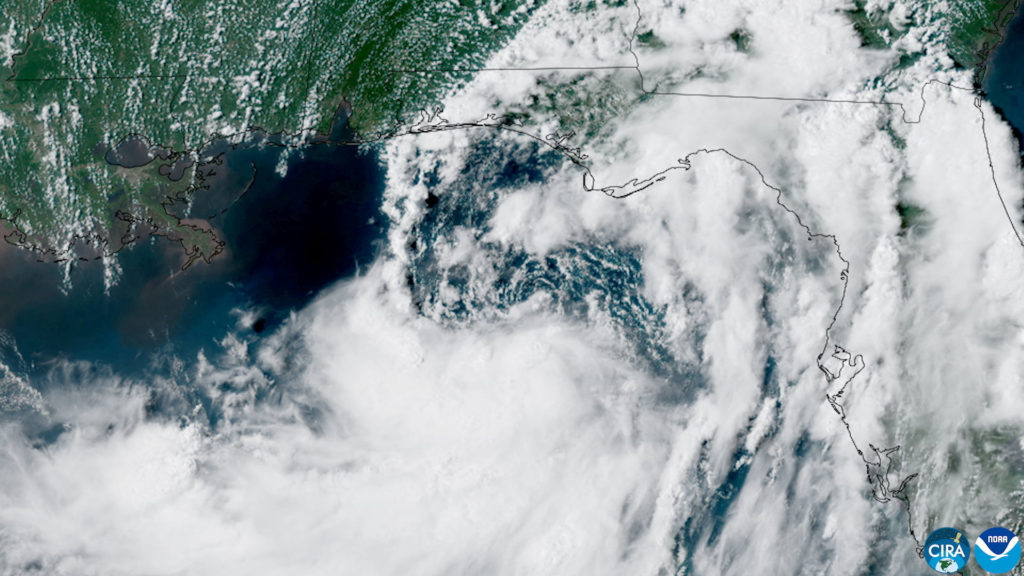
Reported facts: PBS NewsHour states that Tropical Storm Bertha threatens the Gulf Coast and that millions are preparing for impacts; it reports that Ukrainian President Zelenskyy fired the commander-in-chief of the armed forces; and it reports that New Jersey’s governor said more than 6,000 noncitizens were registered to vote in 2023–2024 and that fewer than 400 of those cast ballots. Attributed claims: the registration and voting numbers are attributed to the governor; the military dismissal is reported as an action by President Zelenskyy. Uncertainty: the report provides no direct links to official National Hurricane Center advisories, to an official Ukrainian presidential announcement text, or to New Jersey election-roll data to independently confirm the numbers.
Source and Framing Analysis
This single news-wrap item summarizes multiple stories briefly; such summaries prioritize headlines over depth. That format increases the chance that detailed context, sources, and caveats are omitted. The piece reports officials’ actions and statements but does not include primary documents (e.g., storm advisories, presidential decree, or state voter-roll data). Readers should treat each claim as reported and seek the primary sources for confirmation before drawing strong conclusions about numbers or long-term consequences.
Biblical Reflection
This brief collection of reports points to two kinds of urgent realities Christians should notice: immediate physical vulnerability (the storm) and human fragility in matters of leadership and civic life (the military shake-up in Ukraine and the voting registration claim). The report of a coming storm calls Christians to compassion and practical neighbor-love—helping those who are at risk, praying for safety, and supporting emergency response. It is a concrete reminder that our faith must show up in care for people facing tangible danger.
The news about Ukraine’s military leadership change and the New Jersey voter-registration claim invite a different pastoral posture: sober discernment. Political and military developments often carry real human cost, and reporting may be incomplete or framed around particular priorities. Christians are called to seek truth, avoid instant partisanship, and refuse to conflate uncertainty with moral certainty. We should pray for leaders, lament loss and instability, and work for peace and justice without simplifying complex realities into slogans.
Across all three items, the Christian response centers on truth-seeking, mercy, and practical help. That means relying on reliable information, offering aid where suffering is imminent, speaking truth graciously where civic integrity is at stake, and resisting the temptation to weaponize distress for partisan advantage.
Scripture in context
- 1Matthew 5:9 (Beatitudes) — Part of the Sermon on the Mount where Jesus teaches about the ethics of the kingdom—blessings pronounced on those who embody kingdom virtues like meekness, mercy, and peacemaking in a hostile world. — This teaching encourages Christians to pursue peace and to be agents of reconciliation even amid conflict and crisis: to pray for leaders and for civilians in war, to help neighbors in natural disasters, and to temper civic speech with the aim of healing rather than inflaming.
Faithful Response
Pray specifically: for those in the storm’s path, for Ukraine’s people and military families, and for integrity in civic processes.
Verify before amplifying: seek authoritative sources (National Hurricane Center advisories, official Ukrainian presidential statements, New Jersey election authority data) before sharing claims.
Offer practical help: support local disaster-relief organizations, volunteer or donate to vetted charities aiding storm victims and those displaced by conflict.
Practice charitable speech: resist partisan extremes online; ask how your words serve truth, justice, and neighbor-love.
Reflection and Discussion
- 1Are there habits (e.g., sharing headlines without context) that make me complicit in spreading fear or confusion rather than calming and clarifying?
- 2When public officials report statistics or take dramatic actions, what steps will I take to verify and to remember the human faces behind the numbers?
- 3How can our local church be a place of practical aid and measured truth-telling when storms or conflicts strike?
Sources
Reporting links are evidence inputs; Sanctuary News' biblical reflection is commentary.
This outlook currently relies on fewer than two linked sources. Broaden verification before teaching from it.
- 1.News Wrap: Gulf Coast prepares for Tropical Storm Berthaprimary_reporting