News Summary
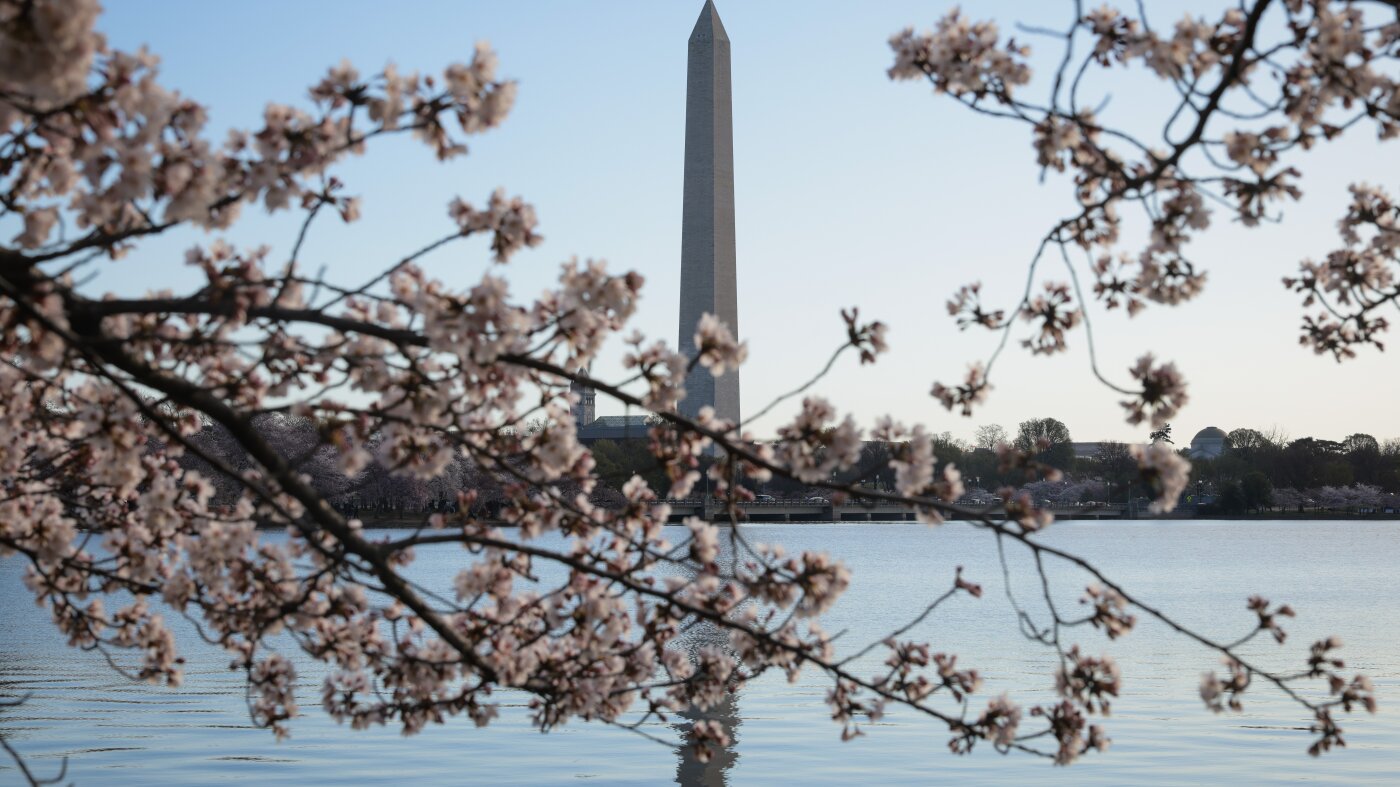
Washington, D.C.'s famed cherry blossom trees at the Tidal Basin are approaching peak bloom, expected between March 29 and April 1, drawing large crowds for the National Cherry Blossom Festival (celebrations through April 12). The trees were originally proposed by Eliza Ruhamah Scidmore in 1885 and first offered as a gift from Japan in 1910; that shipment was destroyed due to pests and disease. In 1912 Tokyo donated 3,020 cherry trees of 12 varieties; 20 were planted at the White House and two Yoshino trees were ceremonially planted by first lady Helen Taft and Viscountess Iwa Chinda. The festival grew into an annual spring event (began 1935), paused during World War II after some trees were vandalized following Pearl Harbor, and resumed in 1948. The trees are maintained by the National Park Service; festival leaders emphasize stewardship, community care, and education to preserve the trees and pass appreciation to younger generations. Recently, U.S.–Japan diplomatic gestures included praise for the trees as a symbol of bilateral friendship and an announcement of an additional donation of 250 trees for America's 250th anniversary.
Biblical Reflection
The story highlights several biblical themes: the created world's capacity to point people to God’s beauty, the value of hospitality expressed through gifts, the call to stewardship over public and natural goods, and the need for reconciliation when relationships are broken. The cherry trees began as an act of generosity across national boundaries — an outward sign of friendship and hope — and Christians can rightly celebrate such gestures as echoes of neighbor-love (Luke 10:27) and peacemaking. The vandalism during wartime reminds us that beauty and gifts can become targets when fear and hatred take hold; Scripture calls believers to mourn wrongdoing, seek justice, and pursue reconciliation (Romans 12:17–21). Practically, the article also underscores Christian responsibilities: to care for God’s creation (not treating it as mere spectacle), support institutions (like the NPS) that maintain shared resources, teach younger generations to respect communal gifts, and resist commodifying or exploiting beauty for profit or selfies. Finally, the fleeting nature of blossom season can draw us to spiritual humility — appreciating created beauty without idolizing it, using it as a prompt to worship and to act justly toward neighbors and the earth.
Scripture in context
This outlook does not yet include contextual Scripture citations. Do not treat a general biblical theme as an exegetical conclusion.
Faithful Response
No prescribed response is offered. Consider the reflection prompts below in your own church context.
Reflection and Discussion
- 1How does the cherry trees' story — a gift meant to foster friendship — challenge you to practice hospitality or reconciliation in your own relationships or communities?
- 2In what concrete ways can you support stewardship of public and natural spaces (financially, through volunteer work, or by modeling respectful behavior)?
- 3When you encounter natural beauty, how do you turn admiration into worship and service rather than consumerism or careless use?
Sources
Reporting links are evidence inputs; Sanctuary News' biblical reflection is commentary.
This outlook currently relies on fewer than two linked sources. Broaden verification before teaching from it.
- 1.Original reportprimary