News Summary
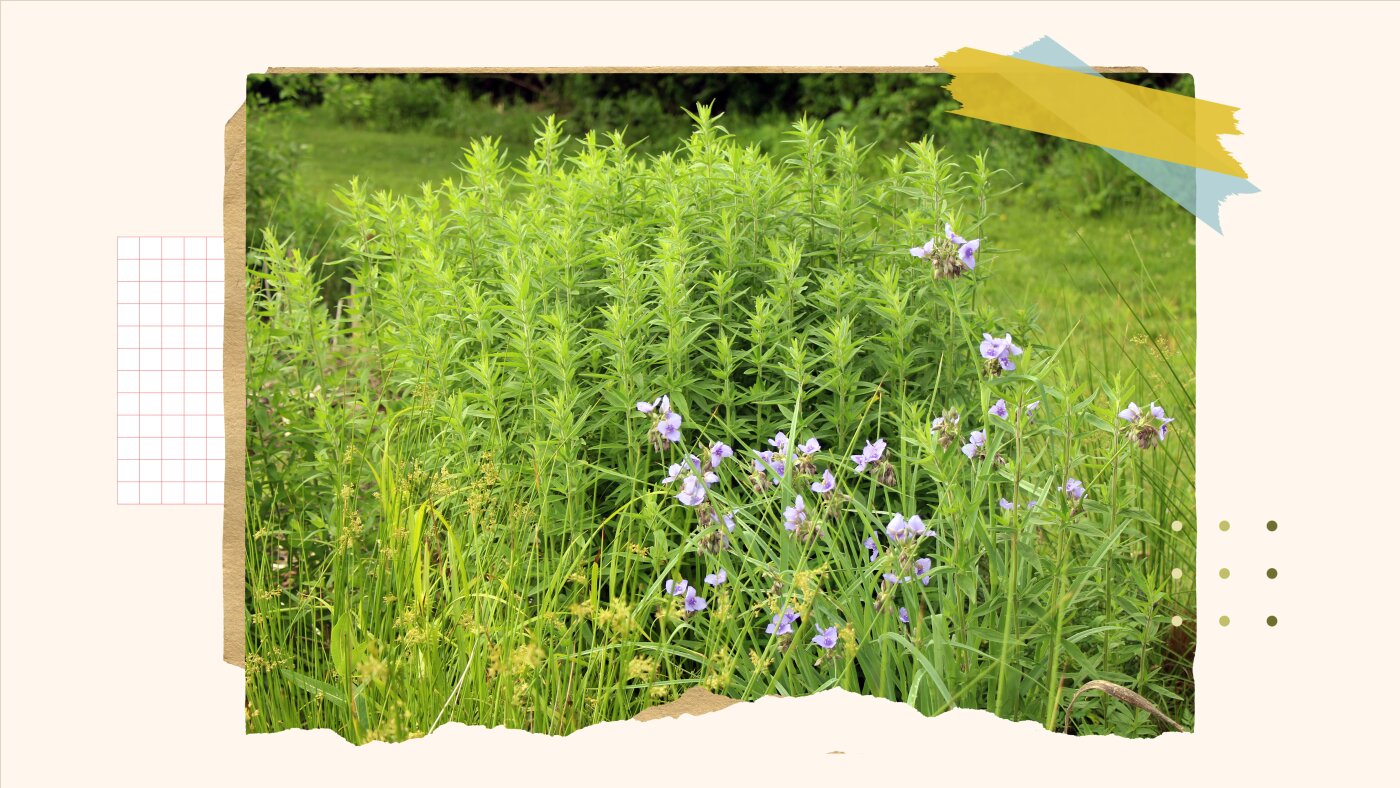
NPR offers a practical, step-by-step guide for homeowners who want to replace turf lawns with native-plant gardens that support wildlife and reduce environmental impacts. The article notes that turfgrass covers roughly 40 million acres in the U.S. and that gas-powered yard equipment, fertilizers, and herbicides contribute to air and water pollution. It cites entomologist Doug Tallamy's estimate that replacing half of U.S. lawns with native-plant habitat would create substantial new habitat. The piece recommends starting small, choosing region-appropriate native species, checking light and soil conditions, and watching for local rules (HOAs or city codes). Methods for removing grass include solarizing with clear plastic, smothering with cardboard, digging or using a sod cutter, or herbicide. It advises sourcing native plants via local native-plant nurseries, plant swaps, plugs, or seed, and gives practical planting and maintenance tips (spacing, mulching, watering young plants, and leaving stems and leaf litter for overwintering insects). The story highlights local groups and experts (Deep Roots KC, GrowNative.org, Anne Arundel Watershed Stewards Academy) and frames lawn conversion as a way to increase habitat for birds, butterflies, and pollinators.
Biblical Reflection
From a Christian perspective this article points to responsible stewardship of creation. Scripture repeatedly entrusts humans with caring for the earth (Genesis 2:15), and nurturing biodiversity—protecting pollinators, providing habitat, reducing pollution—can be a faithful expression of that calling. The article's practical tone and local, incremental approach (start small, work with regional native species) aligns with biblical prudence and neighborly care. Be wary, however, of over-simplified claims or ideological framing: NPR places the story in a climate-solutions context and cites large-scale estimates; while useful, such projections may carry political assumptions about policy and scale. Christians should evaluate both motives and methods: stewardship should not become an idolized pursuit of personal virtue-signaling or a vehicle for politicized identity, nor should it ignore legitimate community concerns (property rules, aesthetics, accessibility, safety). Practically, converting a yard can reflect love for neighbor (cleaner water, less noise, fewer chemicals) and love for creation, but it should be done humbly, lawfully, and with sensitivity to local rules and neighbors. Finally, balance matters: caring for creation is a biblical mandate, but it exists alongside other callings—hospitality, work, and community life—so seek approaches that serve both ecological health and human flourishing.
Scripture in context
This outlook does not yet include contextual Scripture citations. Do not treat a general biblical theme as an exegetical conclusion.
Faithful Response
No prescribed response is offered. Consider the reflection prompts below in your own church context.
Reflection and Discussion
- 1What motives are driving a decision to convert a lawn—stewardship of God’s creation, personal preference, political ideology, or social pressure—and how does that affect how I communicate with neighbors?
- 2In practicing creation care, how can I balance ecological goals with obedience to local laws and concern for my community’s needs and aesthetics?
- 3Do I treat nature as an idol to be perfected for self-definition, or as a gift entrusted to my care that points back to the Creator?
Sources
Reporting links are evidence inputs; Sanctuary News' biblical reflection is commentary.
This outlook currently relies on fewer than two linked sources. Broaden verification before teaching from it.
- 1.Original reportprimary