News Summary
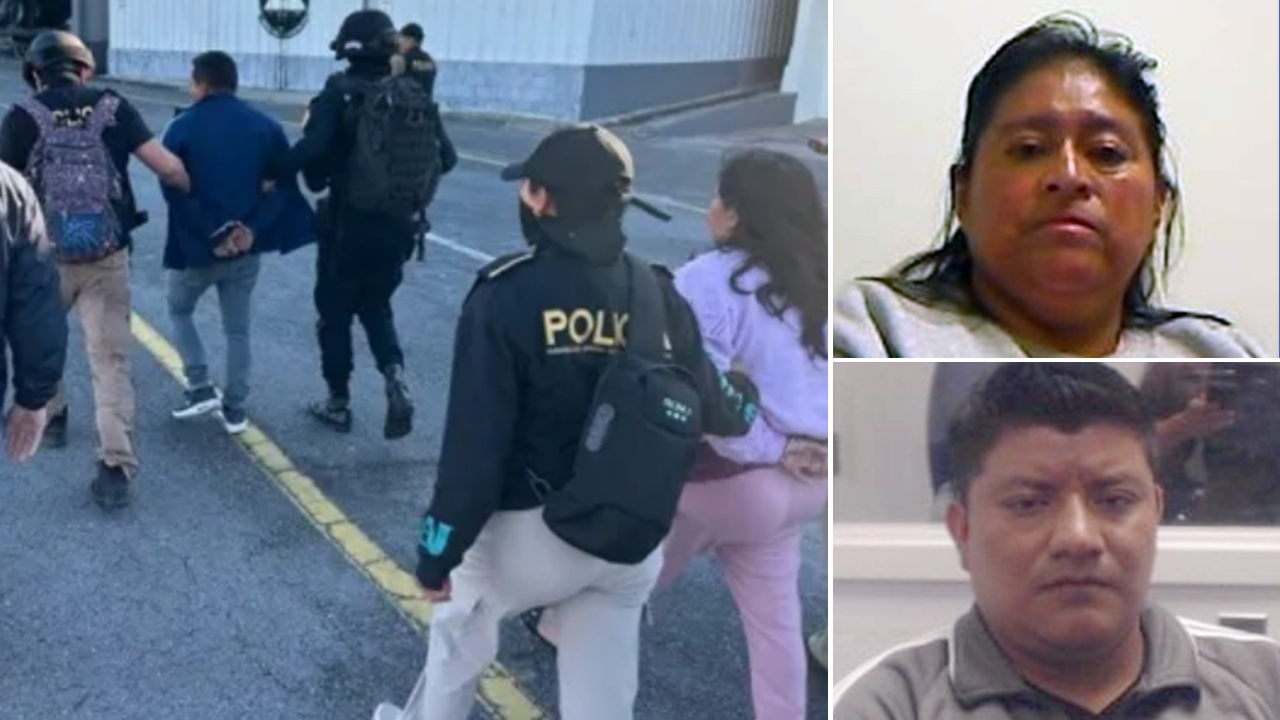
Two Guatemalan nationals, Josefa Quino Canil De Zavala and Alberto Marcario Chitic, pleaded guilty in the United States to charges tied to a human-smuggling conspiracy that prosecutors say led to a Dec. 9, 2021 tractor-trailer crash near the Guatemala–Mexico border which killed 56 people and injured more than 100. The pair were among five Guatemalans extradited to the U.S. in 2025 to face charges; a sixth alleged co-conspirator was arrested in Texas. Prosecutors allege the defendants were part of an organized, profit-driven network that recruited migrants in Guatemala, collected payments, and packed them into freight vehicles for transport north. Charges include conspiring to bring illegal immigrants into the U.S., placing lives in jeopardy, causing serious bodily injury, and death. Federal authorities described operational details such as handing scripts to children to mislead law enforcement. The prosecutions were led by a joint task force (Joint Task Force Alpha) involving the Department of Justice and DHS; officials highlighted dozens of related arrests and convictions resulting from wider enforcement efforts. DHS statements in the article linked the tragedy to U.S. border policies, while Justice Department officials emphasized the smugglers’ criminal culpability and disregard for human life.
Biblical Reflection
The article documents a grave criminal outcome and the legal response; its facts about the crash and guilty pleas are concrete and serious. At the same time, some quoted statements frame the tragedy as evidence of national border policy failures, which introduces a political lens alongside prosecutorial claims. From a Christian perspective, the primary moral truth is plain: people were treated as cargo and many died—this demands justice for perpetrators and deep compassion for victims. Christians should resist dehumanizing language toward migrants and also resist using the suffering solely as a partisan cudgel. Biblical wisdom calls for both accountability for those who profit from others’ suffering and mercy toward those driven by desperation. The story points to layered causes—criminal networks, poverty, weak rule of law in source countries, and demand pressures—that require both enforcement and humane policy responses that protect life. The article’s emphasis on enforcement is warranted; readers should also notice what is omitted: the conditions that push people into smugglers’ hands and the long-term solutions needed to reduce such tragedies.
Scripture in context
This outlook does not yet include contextual Scripture citations. Do not treat a general biblical theme as an exegetical conclusion.
Faithful Response
No prescribed response is offered. Consider the reflection prompts below in your own church context.
Reflection and Discussion
- 1Whose voices are centered in this reporting—victims, prosecutors, policymakers—and how does that shape our understanding of responsibility?
- 2Does political framing of the event obscure the complex root causes that lead people to risk smuggling networks?
- 3How should Christians weigh the call for lawful order with the call to show mercy to desperate people who are vulnerable to exploitation?
Sources
Reporting links are evidence inputs; Sanctuary News' biblical reflection is commentary.
This outlook currently relies on fewer than two linked sources. Broaden verification before teaching from it.
- 1.Original reportprimary