News Summary
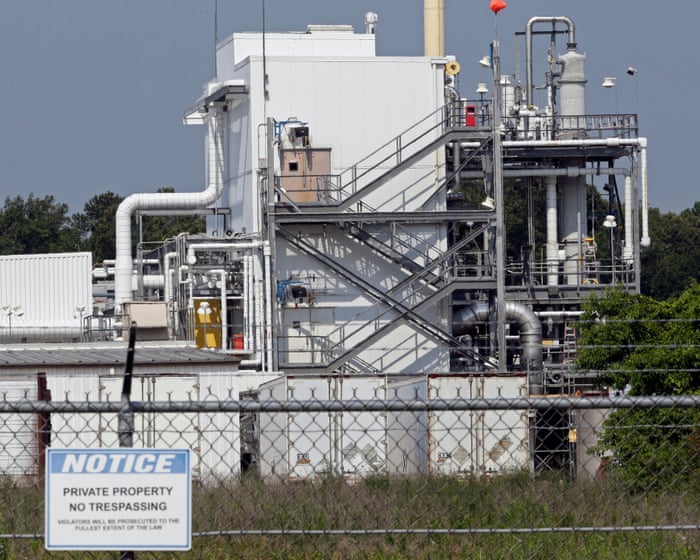
Reported facts: A coalition of 17 environmental groups submitted comments to the EPA requesting rejection of a PFAS compound Chemours wants approved for datacenter cooling. The Guardian identifies Earthjustice as a lead author of the comments. Attributed claims: The groups assert Chemours downplayed toxicity and climate risks, that the company used bad science, and that approving the application as-is would violate law; they also assert the compound would likely pollute areas around datacenters. Uncertainty: The article does not publish Chemours’ application, the EPA docket, or independent scientific studies that confirm or refute the groups’ technical claims.
Source and Framing Analysis
Material uncertainty arises because the story relies primarily on advocacy filings and the article does not include primary documents (Chemours’ application, the actual public comments docket, or EPA analysis) nor independent peer-reviewed studies. Framing choices include strong language quoted or summarized from the environmental groups (e.g., 'bad science,' 'would almost certainly pollute') — these are advocacy positions and should be read as such until independent regulatory or scientific assessments are available.
Biblical Reflection
This report describes civic engagement by advocacy groups seeking regulatory scrutiny of a chemical proposed for industrial use. Christians should value both truth-seeking and protection of vulnerable neighbors: truth demands careful evaluation of scientific claims on toxicity and climate impact, while neighbor-love calls for caution where pollution and long-term health risks are alleged. The article centers environmental groups’ claims and legal warnings; it does not present primary EPA documents, Chemours’ application text, or independent peer-reviewed studies, so prudence is warranted in treating the groups’ assertions as conclusive.
Biblical stewardship calls Christians to care for creation and defend those exposed to harm. At the same time, justice and humility require avoiding premature judgment of corporate or regulatory actors without fuller evidence. Christians can hold both convictions together: press for transparent, evidence-based regulation that protects public health and the environment, while engaging in public processes with charity toward those whose motives are uncertain.
Scripture in context
- 1Genesis 2:15 — In the creation narrative, humans are placed in the garden and given responsibility to 'work it and keep it' — language that in its ancient context assigns stewardship and caretaking over the created order. — This passage supports a theological basis for environmental responsibility: Christians are called to steward creation and to protect the communities who live within it, which bears directly on how we evaluate proposals that may cause pollution or long-term harm.
Faithful Response
Pray for wisdom for regulators, scientists, community members, and company leaders involved in the decision.
Seek out and read primary sources when possible (the EPA docket, Chemours’ application, and the environmental groups’ comments) before forming a firm view.
Advocate for transparent, evidence-based regulatory processes that include independent review and public participation, especially where community health may be affected.
Support and listen to communities located near industrial sites who may face disproportionate exposure and harm.
Reflection and Discussion
- 1How should our commitments to truth, mercy, and neighbor-love shape the way we respond to advocacy claims about environmental risk?
- 2In disputes over new technologies and chemicals, how do we balance scientific uncertainty with a preferential concern for vulnerable communities?
- 3What steps will help us avoid reflexive trust of any single interest—corporate, governmental, or advocacy—while still acting to protect neighbors?
Sources
Reporting links are evidence inputs; Sanctuary News' biblical reflection is commentary.
This outlook currently relies on fewer than two linked sources. Broaden verification before teaching from it.
- 1.US environmental groups urge EPA to reject new Pfas to cool datacentersprimary_reporting