News Summary
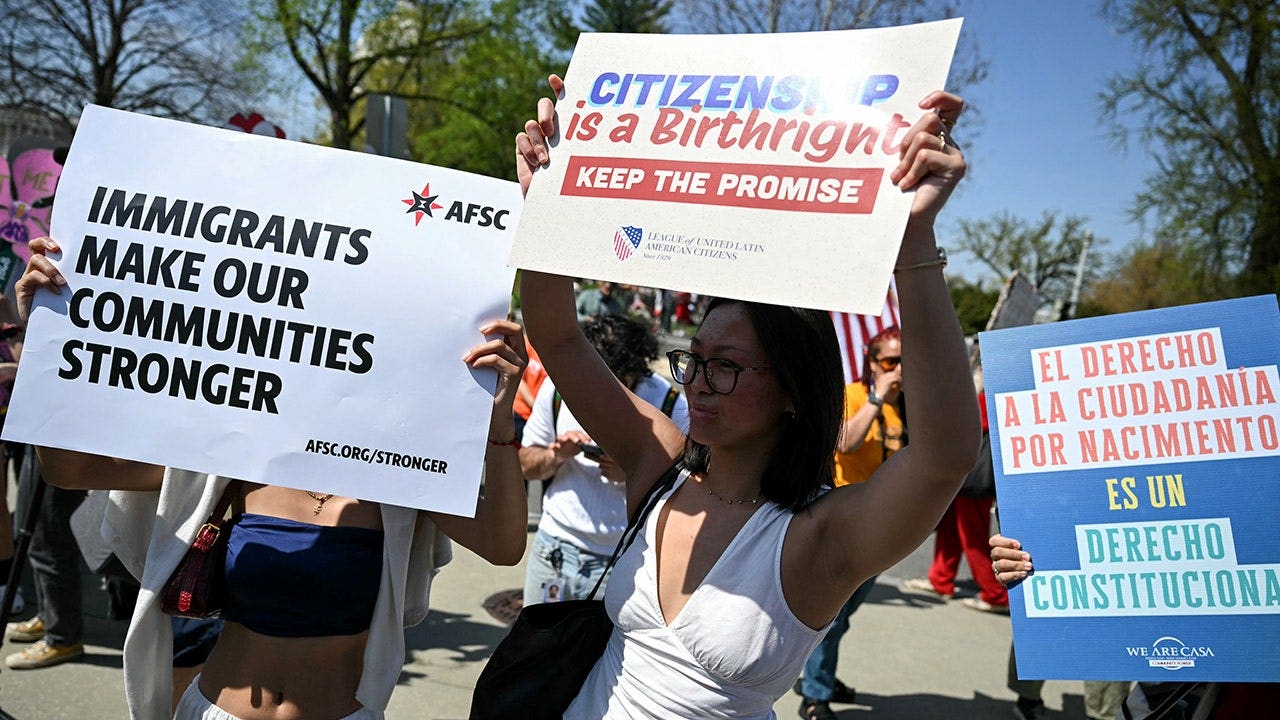
The U.S. Supreme Court issued a 6–3 decision reaffirming birthright citizenship as established in federal law. In response, the Oversight Project released a multi-point “Keeping Families Together Plan” proposing stepped-up immigration enforcement to counter what it calls an expected increase in births to noncitizen parents. Proposals in the plan include expanded worksite enforcement, increased deportations (including targeting parents of U.S.-born children), placing immigration agents at hospitals to discourage births by noncitizens, suspending visas for countries alleged to engage in birth tourism, and pursuing penalties (framed as a “tax”) against birth-tourism facilitators via congressional reconciliation. The plan singles out China as a major source of birth tourism and includes assertions about wealthy Chinese individuals using surrogacy or reproductive services in the U.S.; the article cites reports of surrogacy arrangements but does not document the specific claims. Conservative commentators and some Republican lawmakers criticized Supreme Court justices involved in the ruling and have proposed constitutional amendments or legislative fixes; the White House said the administration will ask Congress to act and prioritize enforcement against birth-tourism schemes. DHS provided data claiming large numbers of removals and arrests under the current administration; the Oversight Project and allied groups continue to press for more aggressive measures.
Biblical Reflection
The proposals and rhetoric in this article raise urgent ethical and civic questions. The language used by some advocates — e.g., labeling children or reproductive activity in dehumanizing terms — risks treating human beings as a strategic problem rather than persons made in God’s image. Christians should distinguish between legitimate concerns about legal and border policy and an approach that endorses family separation, punitive measures at hospitals, or policies that target nationalities without clear, proportionate evidence. Truth demands careful evaluation of factual claims (for example, the prevalence and mechanics of birth tourism and any specific allegations about individuals or countries). Mercy and love of neighbor call for policies that protect communities and the rule of law while minimizing harm to children and families, honoring the dignity of vulnerable people, and upholding due process. Politically, the plan is advocacy, not law; it points to possible paths the executive branch or Congress might take, but any major shift would require legal scrutiny and public accountability. Christians can pray for wise leaders, seek honest evidence, and advocate for solutions that balance national security, justice, and compassion.
Scripture in context
This outlook does not yet include contextual Scripture citations. Do not treat a general biblical theme as an exegetical conclusion.
Faithful Response
No prescribed response is offered. Consider the reflection prompts below in your own church context.
Reflection and Discussion
- 1How does the language used by advocates and media either humanize or dehumanize the people affected, and how should that affect a Christian response?
- 2What evidence is offered for the scale and mechanisms of 'birth tourism' and related claims, and are proposed measures proportionate to that evidence?
- 3When enforcing the law, how can policymakers protect national sovereignty while also safeguarding children, families, and basic human dignity?
Sources
Reporting links are evidence inputs; Sanctuary News' biblical reflection is commentary.
This outlook currently relies on fewer than two linked sources. Broaden verification before teaching from it.
- 1.Original reportprimary