News Summary
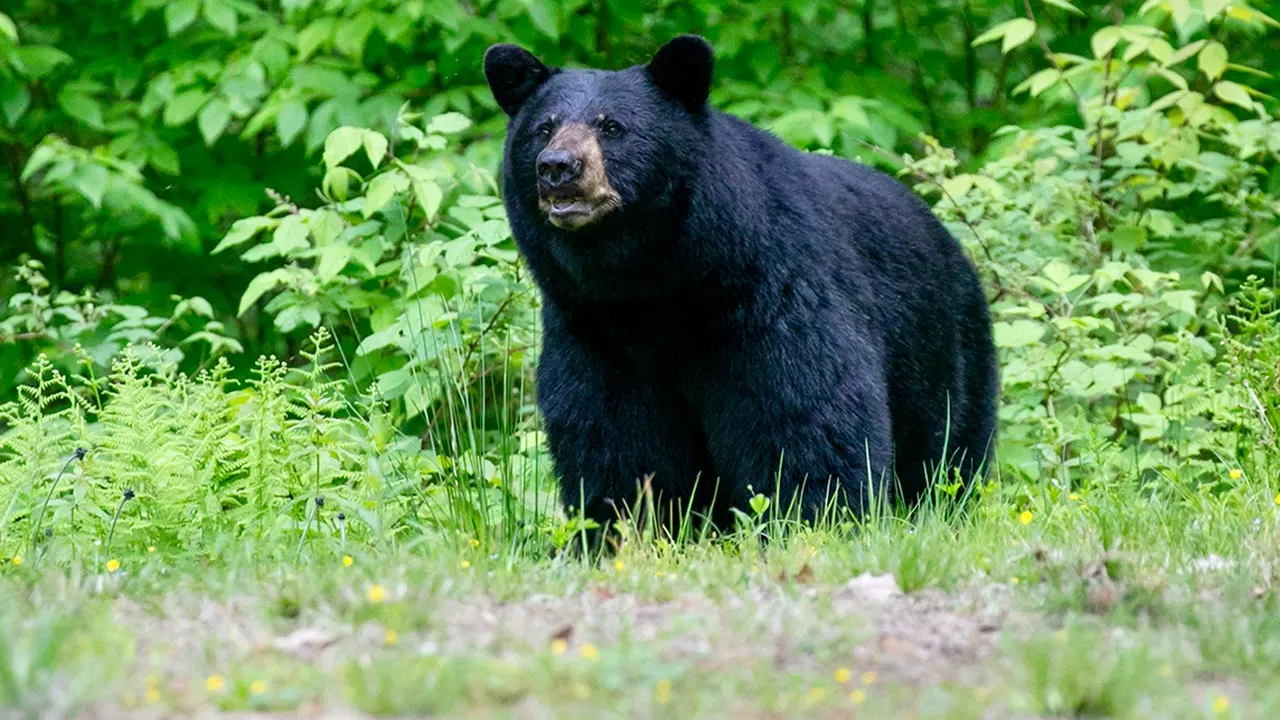
Great Smoky Mountains National Park in Tennessee has temporarily closed several trails and backcountry areas because of an increase in black bear sightings and activity. Park officials say closures are imposed when bears frequent specific areas or show unpredictable behavior that could threaten visitors or the animals. The park, which receives more than 12 million visitors annually, is home to roughly 1,900 black bears. Officials note bear activity typically rises in spring and summer as bears leave hibernation to search for food, putting them nearer trails, campsites and roads. Park staff attribute part of the problem to human actions—leaving food out or intentionally feeding bears can cause bears to associate people with food, increasing the risk of dangerous encounters and sometimes resulting in animals being euthanized. Tennessee recently passed a law making it a Class B misdemeanor to knowingly feed bears where warning signs are posted (effective July), with fines of at least $250. The National Park Service advises visitors to keep at least 50 yards from bears and to slowly back away if a bear changes its behavior toward them.
Biblical Reflection
From a Christian perspective, this story emphasizes responsible stewardship of God’s creation and care for neighbor safety. The article’s core claims are straightforward and factual—official closures, increased sightings, and guidance from park authorities—and its warnings about feeding wildlife reflect occupational safety and conservation realities. Media headlines and imagery can amplify fear, so Christians should read reports soberly: the underlying issue is human responsibility (poor food management and ignoring rules) compounding a natural seasonal pattern. Biblically, we are called both to care for creation and to protect human life (Genesis 2:15; love of neighbor). That means obeying lawful protections, teaching respectful treatment of wildlife, and tempering sensational reactions that might either unduly alarm people or excuse irresponsible behavior. The practical Christian response includes obeying park rules, modeling prudence and humility in the outdoors, supporting conservation measures that protect habitats, and advocating for policies that balance public safety with animal welfare.
Scripture in context
This outlook does not yet include contextual Scripture citations. Do not treat a general biblical theme as an exegetical conclusion.
Faithful Response
No prescribed response is offered. Consider the reflection prompts below in your own church context.
Reflection and Discussion
- 1Are we responding with measured precaution and stewardship, or with panic and sensationalism when wildlife risks are reported?
- 2How does our behavior (leaving food, ignoring rules) contribute to risks for both people and animals, and what responsibilities does that place on us as stewards?
- 3Do we value short-term convenience over long-term care for creation and community safety, and how can we change habits to reflect biblical care?
Sources
Reporting links are evidence inputs; Sanctuary News' biblical reflection is commentary.
This outlook currently relies on fewer than two linked sources. Broaden verification before teaching from it.
- 1.Original reportprimary