News Summary
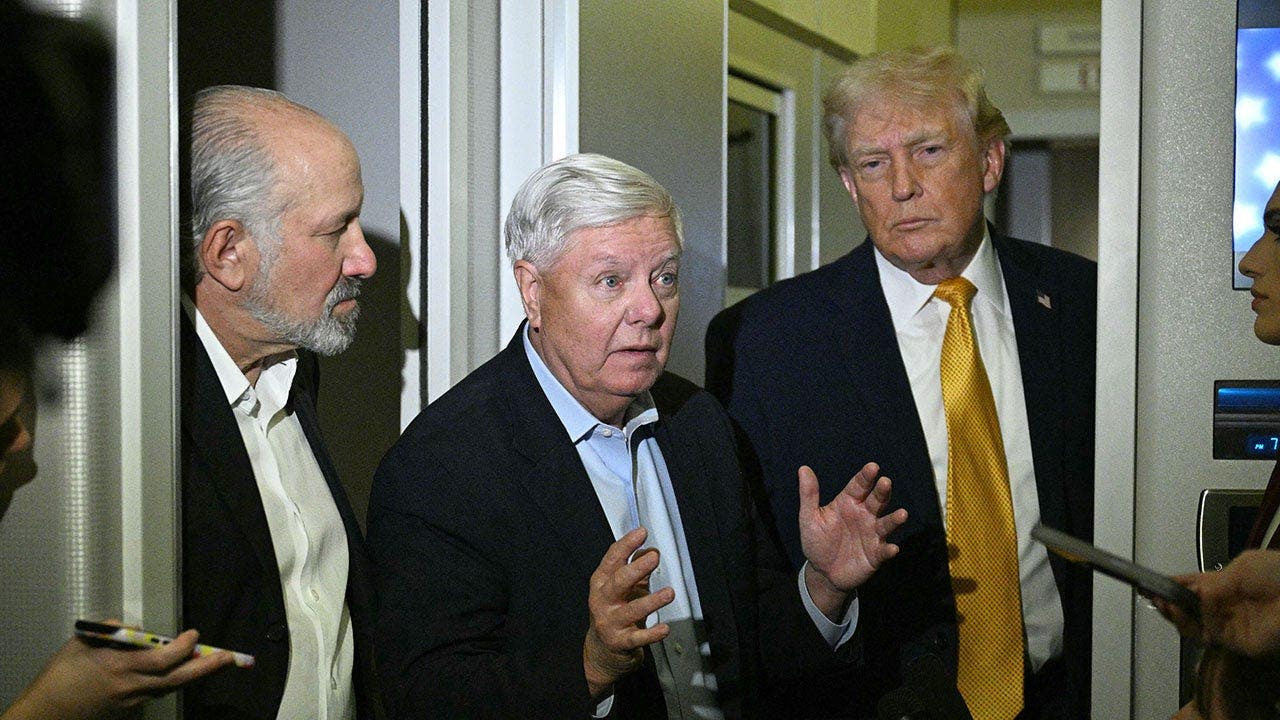
Sen. Lindsey Graham (R–S.C.) died suddenly from an undisclosed illness, leaving a vacant U.S. Senate seat. Under South Carolina law, Gov. Henry McMaster may appoint a temporary replacement who will serve until a special or general election. The state’s candidate filing period for the special election opens July 21 and the election is scheduled for Aug. 11. The death reduces the effective Senate Republican margin at a time when the party’s majority is narrow and the timetable for Sen. Mitch McConnell’s return is unclear. President Trump said on national television that he already has someone in mind for the seat and praised Gov. McMaster; Trump’s endorsement influence is expected to be a factor in the contest. Several South Carolina Republican figures have been mentioned as possible contenders for the special election or appointment, including Rep. Nancy Mace, Rep. Joe Wilson (who said he plans to remain in the House), Reps. Ralph Norman, Russell Fry, William Timmons, Sheri Biggs, and former lieutenant governor Pamela Evette. Fox News Digital did not report immediate comments from McMaster’s office about timing or choices for the appointment.
Biblical Reflection
The article reports a concrete political development: a sudden vacancy that will alter Senate arithmetic and trigger an accelerated political process. Its framing highlights presidential influence and intra-party jockeying, which reflects a worldview that centers power, endorsements, and strategic advantage. That emphasis can obscure deeper public-good questions: who best serves the commonwealth, how voters will be heard, and whether appointments prioritize stewardship over partisan gain. From a Christian perspective, this moment calls for tempering ambition with humility and for evaluating leaders by service rather than status. The piece is largely factual about procedures and timelines, but it privileges personalities and partisan strategy without exploring the public interests affected by the replacement or the human realities of grief and loss. Christians should discern between legitimate reporting of civic procedure and coverage that elevates influence and spectacle, and they should pray and act for processes that protect accountable governance, neighborly service, and truthful public discourse.
Scripture in context
This outlook does not yet include contextual Scripture citations. Do not treat a general biblical theme as an exegetical conclusion.
Faithful Response
No prescribed response is offered. Consider the reflection prompts below in your own church context.
Reflection and Discussion
- 1Does the coverage prioritize personalities and endorsements over the public responsibilities and qualifications that matter for governing?
- 2How might our allegiance to political figures shape whether we demand transparency and accountability in appointments and elections?
- 3In what ways should Christians weigh the urgency of political advantage against the need for compassionate leadership and just institutions?
Sources
Reporting links are evidence inputs; Sanctuary News' biblical reflection is commentary.
This outlook currently relies on fewer than two linked sources. Broaden verification before teaching from it.
- 1.Original reportprimary