News Summary
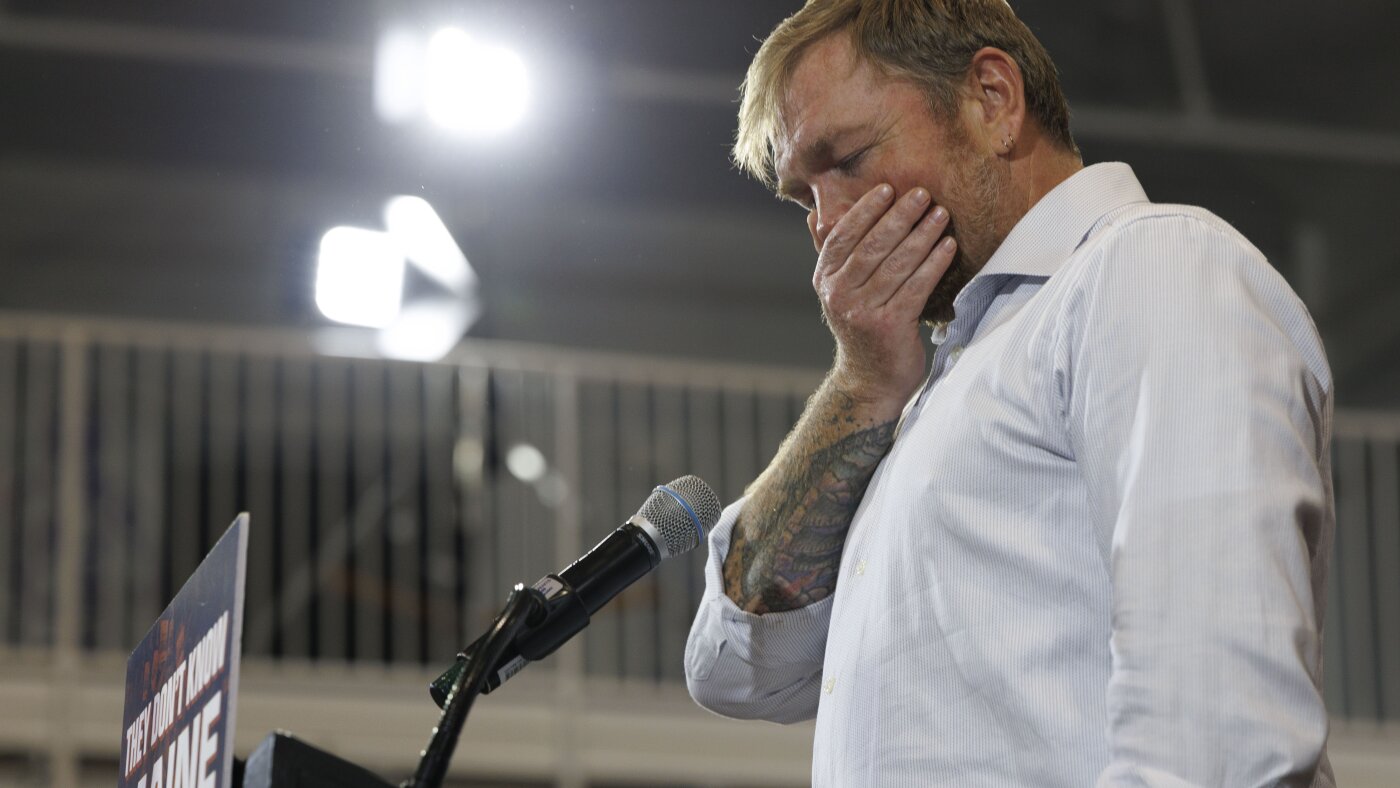
Graham Platner, the Democratic nominee for U.S. Senate from Maine, filed paperwork July 10 to withdraw from the 2026 race after announcing July 8 that he would suspend his campaign. His withdrawal follows an accusation of rape by a former romantic partner that Platner denies. Platner said the campaign had become financially nonviable and argued his leaving was intended to preserve the progressive movement’s chance to defeat Republican Sen. Susan Collins. The Maine Democratic Party must select a replacement by July 27; it plans a nominating convention of roughly 600 delegates. Candidates have until July 15 to enter and must gather signatures from at least eight of Maine’s 16 counties. Several Democrats, including Sen. Bernie Sanders, urged Platner to step down. Platner won the June 9 primary with more than 150,000 votes, a record number for a Maine Democratic Senate candidate. Multiple potential replacement candidates, including former state Sen. Troy Jackson and former CDC official Nirav Shah, have already launched bids to seek the nomination.
Biblical Reflection
This story sits at the intersection of serious personal allegation, party politics, and democratic process. From a Christian perspective we must hold two convictions together: a commitment to justice and care for those harmed, and a respect for due process and truth-seeking. The swift political pressure and public calls for withdrawal show how quickly allegations can reshape campaigns and civic life; that can be necessary when safety or credible harm is at stake, but it also risks bypassing careful investigation and presuming guilt in the court of public opinion. The party’s responsibility is to protect voters’ ability to choose a candidate and to run a transparent replacement process that honors democratic participation rather than simply restoring establishment preferences. Christians should watch for biases in framing (victim-advocacy pressure, partisan advantage, or the political weaponization of personal accusations) and avoid reflexive tribalism. Pastoral virtues here are truth-telling, protecting the vulnerable, seeking fair process, and resisting cynicism. Pray for clarity and for institutions to act with integrity so the public can discern what is true and what is politicized.
Scripture in context
This outlook does not yet include contextual Scripture citations. Do not treat a general biblical theme as an exegetical conclusion.
Faithful Response
No prescribed response is offered. Consider the reflection prompts below in your own church context.
Reflection and Discussion
- 1Are we treating allegations as political instruments or as matters requiring careful, impartial inquiry?
- 2How does the party’s replacement process honor the voters who supported the original nominee, and what does that reveal about internal power and accountability?
- 3What biases—partisan, media, or cultural—might be shaping how this story is told and received?
Sources
Reporting links are evidence inputs; Sanctuary News' biblical reflection is commentary.
This outlook currently relies on fewer than two linked sources. Broaden verification before teaching from it.
- 1.Original reportprimary