News Summary
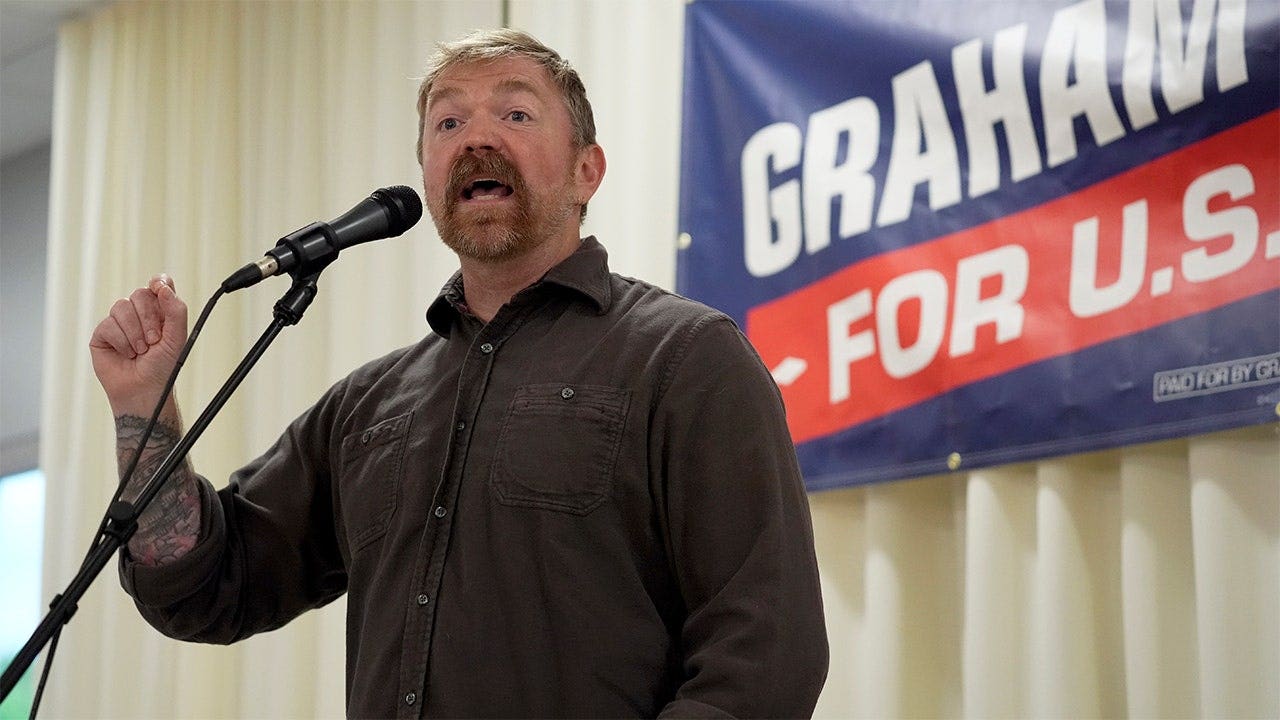
Graham Platner, a military veteran and oyster farmer, won the 2026 Maine Democratic U.S. Senate primary and will face incumbent Republican Sen. Susan Collins in the general election. Platner secured prominent progressive endorsements and outpaced other Democratic contenders, including the name of Gov. Janet Mills, who had suspended her campaign but remained on the ballot. Platner’s campaign has been marked by multiple controversies: inflammatory past online comments on Reddit for which he has apologized, a chest tattoo he says he later covered after learning it resembled a Nazi symbol, reports of sexually explicit messages exchanged while married, and allegations from ex-girlfriends alleging a history of rape fantasies, heavy drinking, and violent episodes; Platner denies the violence allegations. Supporters and some endorsers emphasize his military service, PTSD and recovery, and his economic populist platform; Republican groups and Sen. Collins have criticized the candidate and signaled they will make the controversies a central line of attack. Democratic backers so far have not rescinded endorsements. Democrats view the race as one of several that could determine Senate control, and both parties are preparing for a competitive general election in Maine.
Biblical Reflection
This story calls Christians to a balanced posture of truth-seeking and mercy. Truth demands careful attention to allegations: sexual violence and violent behavior must be investigated impartially and victims treated with dignity and care. Simultaneously, Christian compassion recognizes human brokenness, the reality of trauma (including PTSD among veterans), and the possibility of genuine repentance and rehabilitation. Be wary of partisan framing that weaponizes allegations for political gain or, conversely, reflexive defense that dismisses credible claims. The article’s framing—highlighting controversies, quoting political opponents, and noting endorsements—reflects both accountability journalism and partisan contestation; readers should note where rhetoric or selective detail may serve political aims. As voters and citizens, Christians should insist on transparency, fair investigation, and nonpartisan application of standards of character and conduct, while avoiding dehumanizing those involved. Ultimately the gospel calls for both justice for the harmed and the possibility of restoration for the repentant, without excusing wrongdoing.
Scripture in context
This outlook does not yet include contextual Scripture citations. Do not treat a general biblical theme as an exegetical conclusion.
Faithful Response
No prescribed response is offered. Consider the reflection prompts below in your own church context.
Reflection and Discussion
- 1Are allegations being investigated and reported on with consistent standards, or are they being amplified or minimized for partisan advantage?
- 2How does awareness of a person’s trauma and recovery interact with accountability when the allegations involve harm to others?
- 3Do our political loyalties cause us to demand different standards of character from allies than from opponents?
Sources
Reporting links are evidence inputs; Sanctuary News' biblical reflection is commentary.
This outlook currently relies on fewer than two linked sources. Broaden verification before teaching from it.
- 1.Original reportprimary