News Summary
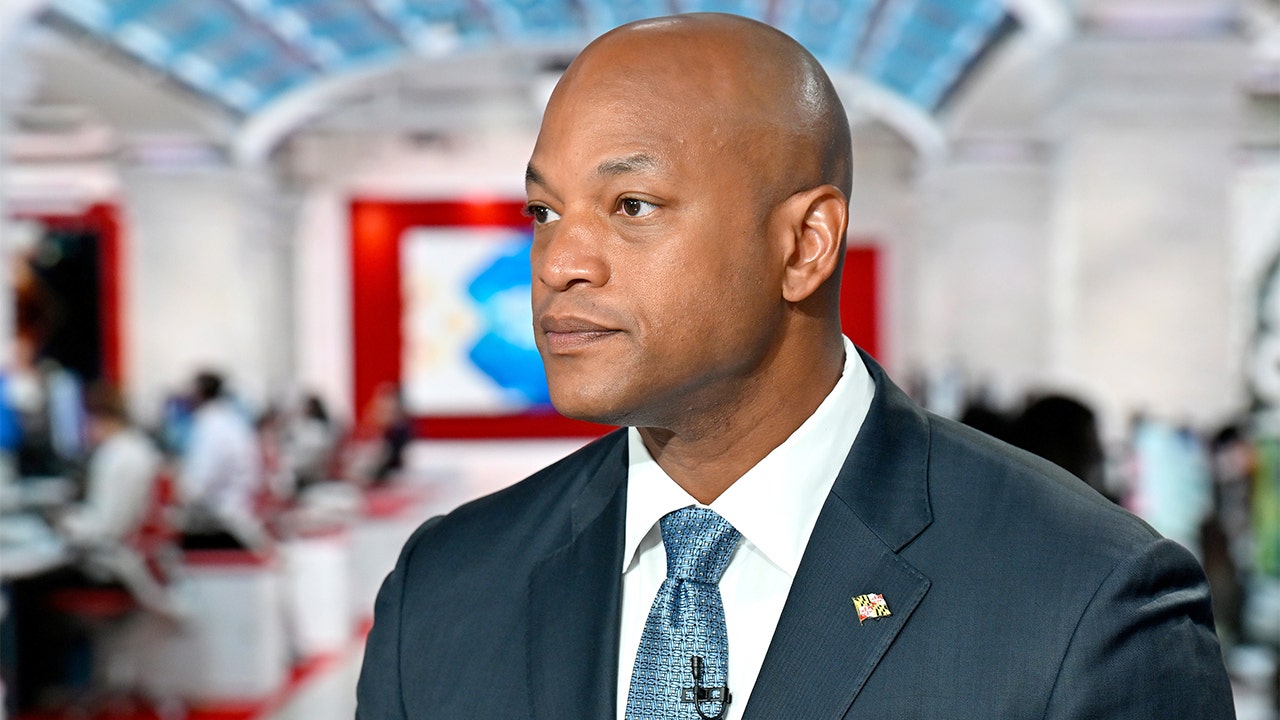
Maryland Governor Wes Moore, a Democrat, praised the Trump administration’s new child investment accounts—called Trump Accounts—during an interview on The Clay Cane Show, calling them “smart policy” and comparing them to long‑advocated baby bonds. Moore said such accounts could help address child poverty and the racial wealth gap by providing children with an asset that grows over time, and he framed the idea as making capitalism work for more people. He also criticized other provisions of H.R. 1, including tax cuts he said favored billionaires and private-plane owners, arguing those moves undermine efforts to close the racial wealth gap. The article notes IRS/White House details: a $1,000 pilot contribution for U.S. citizen children born Jan. 1, 2025–Dec. 31, 2028; contributions began July 4, 2026; families and others may contribute up to $5,000 annually; funds are to be invested in broad index funds and generally not withdrawn before age 18.
Biblical Reflection
From a Christian perspective, bipartisan agreement when it advances the welfare of children and the poor is commendable—policies that give children a real, growing asset can reflect care for our neighbors and stewardship of societal resources. The article accurately reports Governor Moore’s praise while noting his broader objections to the rest of H.R. 1; readers should note that praise is narrowly focused on the savings-account element, not a wholesale endorsement of the administration’s agenda. Christians should evaluate such policies by their outcomes for the vulnerable, not by party brand: will these accounts reliably reduce poverty, be equitably administered, and avoid exposing families to undue market risk? Also watch for structural trade-offs—tax cuts and other provisions can counteract redistributive measures. The article is a straightforward political report, but its framing (source: a partisan outlet) and selective emphasis mean readers should seek independent details on eligibility, scale, long‑term costs, and evidence of effectiveness before endorsing the policy.
Scripture in context
This outlook does not yet include contextual Scripture citations. Do not treat a general biblical theme as an exegetical conclusion.
Faithful Response
No prescribed response is offered. Consider the reflection prompts below in your own church context.
Reflection and Discussion
- 1Does this policy primarily create lasting opportunity for low‑wealth children, or does it risk being offset by other provisions that widen inequality?
- 2Are bipartisan policy gains worth supporting when accompanied by measures that may hurt the common good—how should Christians weigh cooperation and caution?
Sources
Reporting links are evidence inputs; Sanctuary News' biblical reflection is commentary.
This outlook currently relies on fewer than two linked sources. Broaden verification before teaching from it.
- 1.Original reportprimary