News Summary
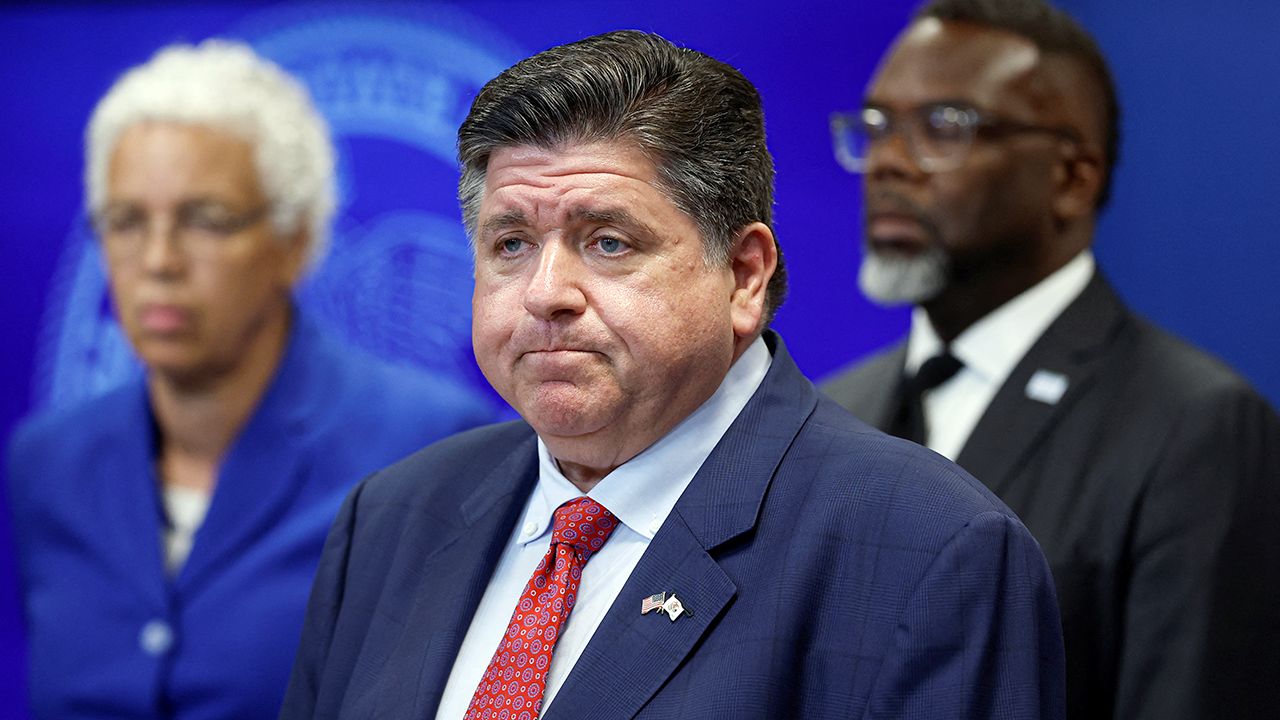
Sheridan Gorman, an 18-year-old freshman at Loyola University, was shot and killed while admiring the aurora borealis along Lake Michigan. Authorities have charged Venezuelan national José Medina-Medina with first-degree murder and several related counts. Critics on conservative media tied the case to sanctuary-city policies, noting a prior shoplifting arrest of the suspect and that ICE had issued a detainer. Illinois is governed by the TRUST Act, which limits state and local cooperation with federal immigration detainers; the federal Laken Riley Act requires holding certain undocumented suspects for federal transfer. Governor J.B. Pritzker issued a statement expressing grief and calling on the federal government not to politicize tragedies, but he did not directly say whether he would instruct authorities to comply with the Laken Riley Act or ICE detainers. The detention hearing for the accused was continued because the defendant was being quarantined amid concerns he might have tuberculosis. The piece highlights political arguments over sanctuary policies, enforcement, and whether elected leaders are deflecting responsibility or politicizing violence for partisan ends.
Biblical Reflection
Scripturally viewed, this story raises several moral concerns simultaneously: the need for justice for the victim and her grieving family, the responsibility of leaders to protect the public, and the biblical call to show compassion to strangers. Scripture demands that leaders administer justice and protect the vulnerable (Micah 6:8; Romans 13:1-4). If policy or negligence contributed to harm, repentance, accountability, and practical reform are required — not deflection or cheap partisan gain. At the same time, the Bible warns against scapegoating or dehumanizing strangers; God's people are repeatedly commanded to welcome and care for immigrants and the vulnerable (Leviticus 19:33-34; Matthew 25:35). Politicizing a human tragedy for advantage fails the twin tests of justice and mercy: it can silence genuine reform, deepen wounds of the bereaved, and harden hearts toward real people in need. The faithful response is first to lament and stand with the grieving; then to seek truth and pursue fair, transparent accountability; and finally to work for policies that both protect communities and treat migrants as image-bearers of God, balancing public safety with compassion. Christians should resist simplistic narratives that demand only partisan victory and instead press for sober evaluation, lawful due process, and policies informed by wisdom, justice, and mercy.
Scripture in context
This outlook does not yet include contextual Scripture citations. Do not treat a general biblical theme as an exegetical conclusion.
Faithful Response
No prescribed response is offered. Consider the reflection prompts below in your own church context.
Reflection and Discussion
- 1In this tragedy, how can I hold both the call for justice for the victim and the call to show compassion to migrants without choosing a partisan side?
- 2Are there ways my prayers or civic actions can press leaders toward accountability and reforms that protect the vulnerable while honoring human dignity?
- 3How does my own response (anger, suspicion, silence) reflect the call to walk humbly and pursue both justice and mercy?
Sources
Reporting links are evidence inputs; Sanctuary News' biblical reflection is commentary.
This outlook currently relies on fewer than two linked sources. Broaden verification before teaching from it.
- 1.Original reportprimary