News Summary
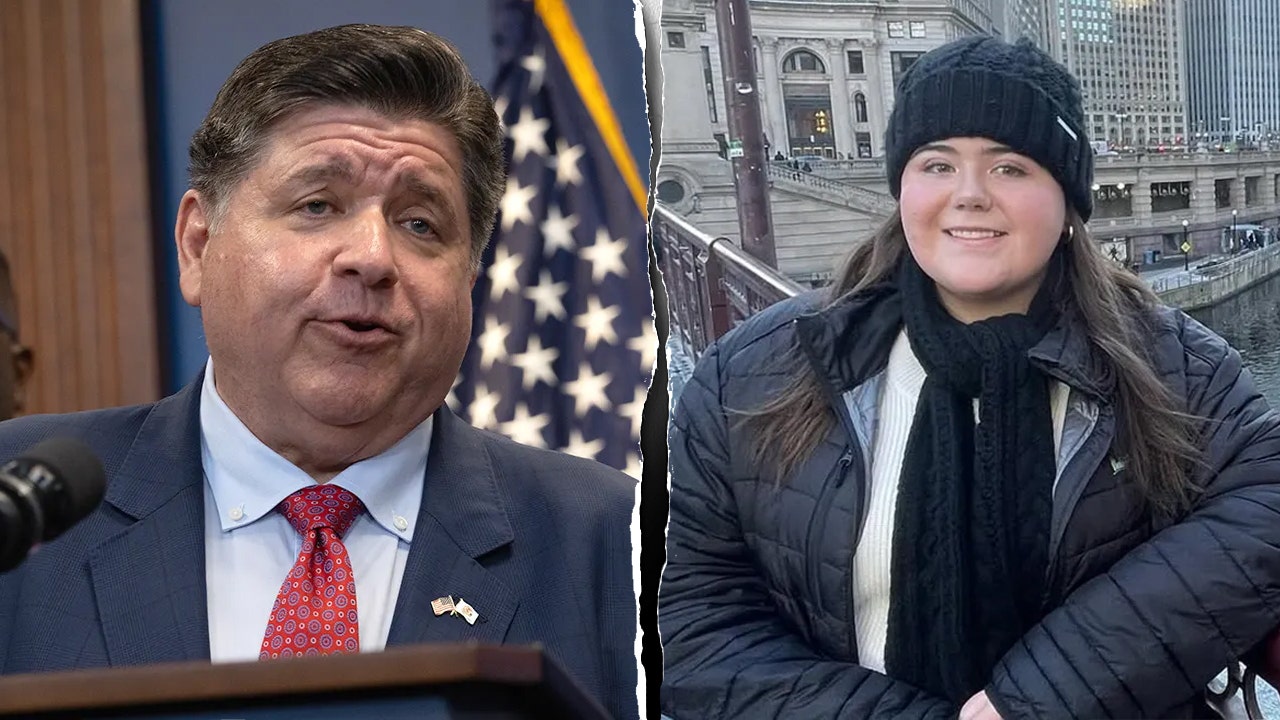
Sheridan Gorman, a Loyola University Chicago freshman from Yorktown Heights, New York, was shot and killed at a pier in Chicago in the early hours of a Thursday in March 2026. Police arrested Jose Medina-Medina, a 25-year-old Venezuelan national, on Friday; authorities say U.S. Customs and Border Protection identified him from images and that he had been apprehended by Border Patrol on May 9, 2023 and later released into the U.S., according to the Department of Homeland Security. Medina-Medina was also previously arrested for shoplifting and released before the alleged murder, per DHS. Illinois Governor J.B. Pritzker called the incident a "terrible tragedy" and said there have been "real failures" in immigration policy and enforcement, criticizing federal responsibility while noting state and local roles in prosecuting violent crime. In Yorktown Heights, residents and officials lit homes and porches green as a tribute to Gorman. The Gorman family expressed disappointment that systems and decisions allowed the suspect to remain in the country and said they are focusing on burying their daughter. Police reports and building surveillance described the suspect's movements and a distinctive limp; he was arrested at his Rogers Park apartment. Illinois is generally described in the article as a sanctuary state, which limits local law enforcement participation in immigration enforcement.
Biblical Reflection
This story combines real human grief and a search for accountability with public policy and political argument. From a Christian perspective, the immediate reality is a tragic loss of life that calls for compassion for the bereaved, a sober search for truth, and a desire for just consequences for violent wrongdoing. The article foregrounds immigration status and policy failures as causal factors; that focus can be important for public accountability, but it also risks reducing a single human life to a policy talking point or encouraging broad condemnation of entire groups. Scripture calls Christians to pursue justice (Isaiah 1:17; Micah 6:8) and to show mercy (Luke 6:36), so these impulses must be held together: we should press for systems that protect the innocent and hold perpetrators accountable while resisting dehumanizing rhetoric toward migrants. The piece leans toward a law-and-order framing and includes political attribution (blame placed on federal policy and on administrations), which is consistent with the outlet’s emphasis but should prompt readers to ask for corroborating facts and context (e.g., how common such cases are, what specific policy decisions applied, what local practices were followed). Spiritually, the story exposes human brokenness—sin manifesting in violent crime—and the limits of any earthly system to prevent every evil. Christians should therefore mourn well, seek facts, advocate for wise and just public policy, and pray for both the victim’s family and those implicated, all while avoiding fear-driven scapegoating.
Scripture in context
This outlook does not yet include contextual Scripture citations. Do not treat a general biblical theme as an exegetical conclusion.
Faithful Response
No prescribed response is offered. Consider the reflection prompts below in your own church context.
Reflection and Discussion
- 1Am I responding to this tragedy with measured concern for public safety and the rule of law, or with reactionary fear that paints entire groups with guilt for the actions of an individual?
- 2What information is the article privileging (immigration status, political responsibility) and what context is missing that would help me weigh policy criticism more fairly?
- 3How can Christians hold leaders and systems accountable for protecting the vulnerable while practicing compassion toward migrants and those who are powerless?
Sources
Reporting links are evidence inputs; Sanctuary News' biblical reflection is commentary.
This outlook currently relies on fewer than two linked sources. Broaden verification before teaching from it.
- 1.Original reportprimary