News Summary
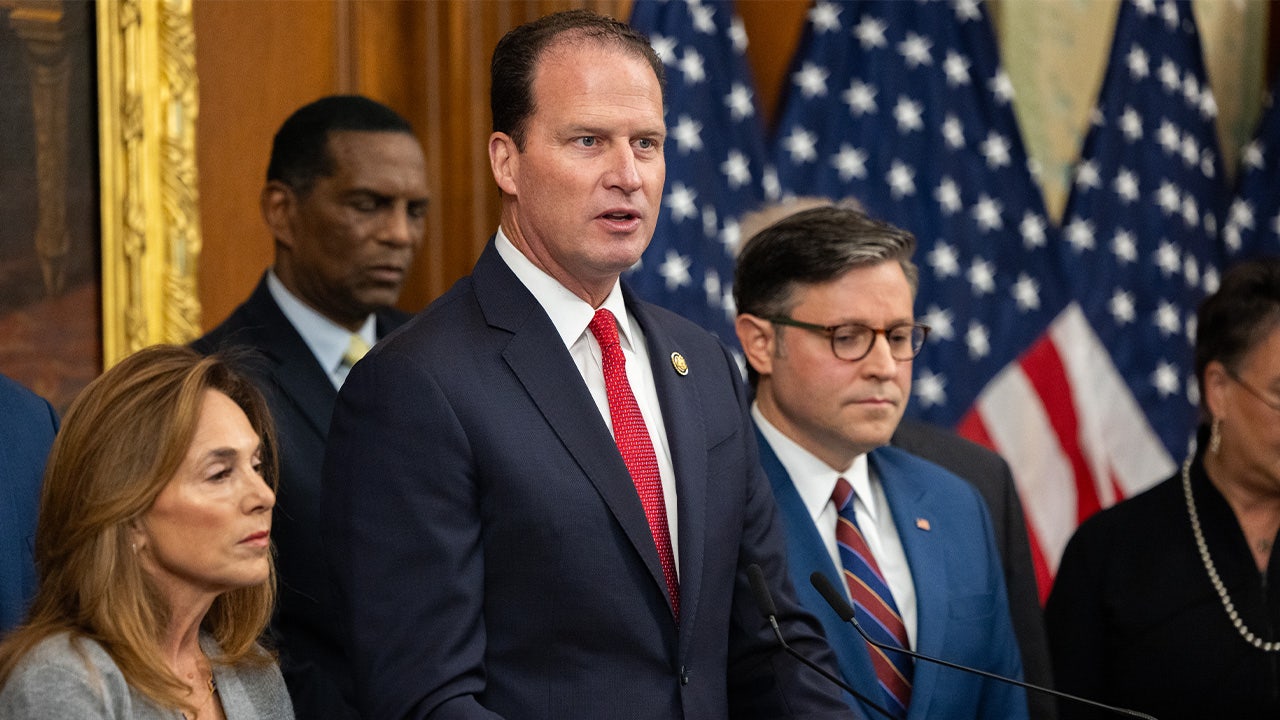
Republican Study Committee Chairman Rep. August Pfluger said Republicans are planning a third budget reconciliation package—referred to as “3.0”—aimed at addressing affordability, fraud, and defense and including proposals on housing, energy, and healthcare. The remarks appeared in an interview on the Ruthless podcast. Reconciliation is a budget tool that can pass the Senate with a simple majority; the House is expected to vote on a second, immigration-focused reconciliation bill this week after the Senate approved it. Pfluger said Republicans have used reconciliation for defense-related funding and intend to use the next package to respond to constituent concerns about costs and alleged fraud. The article notes Republican messaging emphasizing fraud (citing a GOP fraud task force and claims about improper Medicaid payments), frames the package as a platform for the 2026 midterm elections, and situates the comments amid ongoing debates over funding DHS, ICE, and CBP. The interview is part of a Ruthless Midterm Interview Series; the general election is November 3, 2026.
Biblical Reflection
This article reports partisan planning for a significant fiscal package. Politically, the move reflects a pragmatic use of reconciliation to bypass a 60-vote Senate threshold, but it is framed as an explicitly partisan remedy and campaign message. Some claims cited (inflation caused by the president, large fraud figures) are presented as party talking points and should be independently verified before accepting them as fact. From a Christian perspective, legislative choices about housing, healthcare, energy, and defense carry moral weight because they materially affect vulnerable people. Christians should press for policies grounded in truthful evidence, transparent process, and a posture of mercy toward those who would bear the consequences of budget changes. Beware of rhetoric that simplifies complex economic causes into blame narratives or that elevates political advantage over neighbor-care. Good stewardship requires both fiscal responsibility and sustained protection for the poor, sick, and marginalized; legislators and citizens should evaluate proposed reforms by how well they serve those ends rather than by partisan gain alone.
Scripture in context
This outlook does not yet include contextual Scripture citations. Do not treat a general biblical theme as an exegetical conclusion.
Faithful Response
No prescribed response is offered. Consider the reflection prompts below in your own church context.
Reflection and Discussion
- 1Which factual claims in this package (cost, fraud estimates, causes of inflation) are independently verified, and how will verification change public judgment?
- 2Who stands to gain or lose materially from proposed cuts or reforms in housing, healthcare, energy, and defense, and are safeguards in place for the most vulnerable?
- 3Is the use of reconciliation prioritized as a last-resort policy tool to serve the common good, or primarily as a partisan shortcut to enact campaign promises?
Sources
Reporting links are evidence inputs; Sanctuary News' biblical reflection is commentary.
This outlook currently relies on fewer than two linked sources. Broaden verification before teaching from it.
- 1.Original reportprimary