News Summary
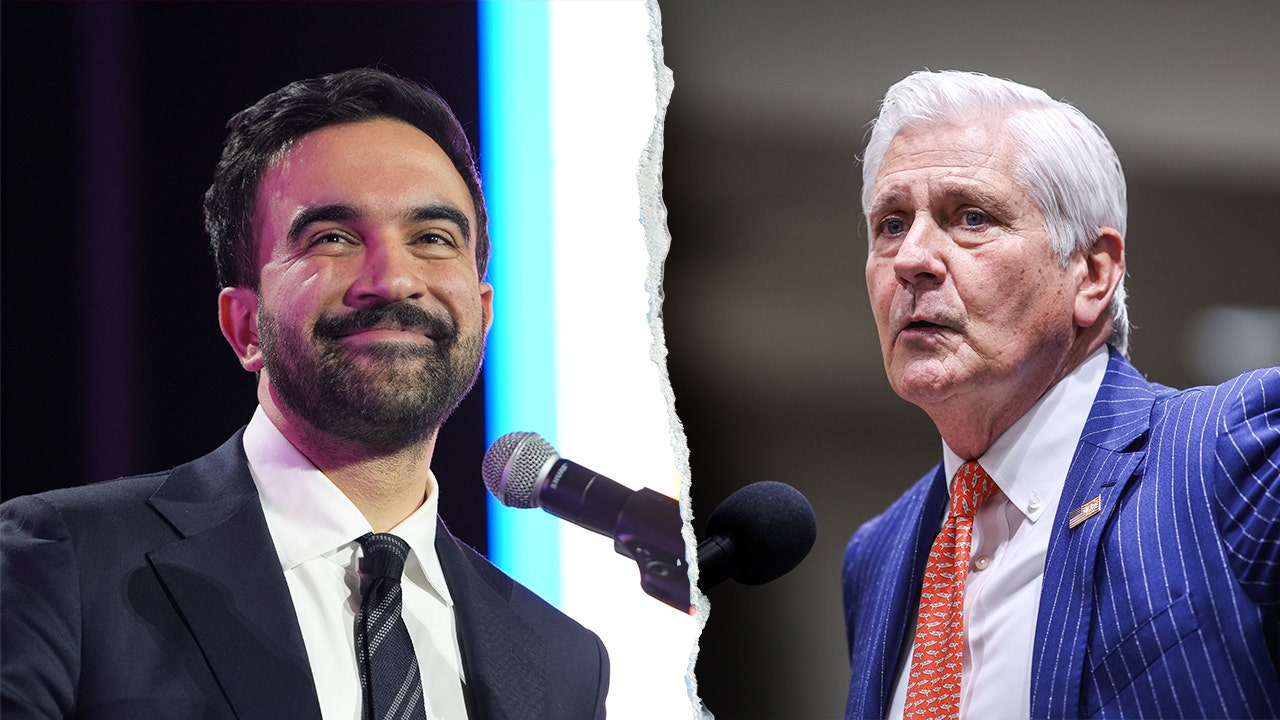
Republican gubernatorial candidate Bruce Blakeman, Nassau County executive, told Fox News Digital he would block New York City Mayor Zohran Mamdani's policy agenda if elected governor. Blakeman criticized Mamdani's proposals — including city-owned grocery stores, free bus service, and rent freezes — saying they would harm small businesses, increase taxpayer burdens, and worsen the city's economy and safety. Blakeman said he would sign an executive order ending New York's sanctuary-state status, pursue large middle-class tax cuts (eliminating state income tax on single filers up to $50,000 and joint filers up to $100,000 under his plan), and cut utility rates while reversing state investments in green energy. The article notes Mamdani's rise and several socialist primary victories in New York primaries. The Hochul campaign spokesperson criticized Blakeman as catering to the far right and aligned with Donald Trump; Mamdani's office did not respond to requests for comment. The piece appears as a Fox News Digital report and quotes Blakeman directly while summarizing his proposed first-day actions and critiques of Mamdani's proposals.
Biblical Reflection
This article presents a partisan contest between two competing visions of government: one favoring aggressive public-sector solutions for affordability and transit, the other promoting tax cuts, deregulation, and law-and-order changes. The rhetoric is sharpened for political effect — labeling an opponent 'a communist' or saying 'I don't have to work with him' are persuasive devices that simplify complex policy trade-offs. Christians should note two realities: first, public policy debates often mix factual claims, predictions, and value judgments; verifying empirical claims (costs, likely economic effects, impacts on small businesses and low-income residents) matters before accepting sweeping conclusions. Second, the moral implications of policy proposals deserve attention — city-run groceries or free transit aim to address access and poverty, while tax cuts and property-rights arguments seek to protect entrepreneurs and economic incentives. Scripture calls believers to both truth and neighbor-love: hold leaders accountable for factual accuracy and transparency, but also weigh whether policies protect the vulnerable, support families and small businesses, and foster human dignity. Finally, the adversarial tone signaled by 'I don't have to work with him' undermines the biblical witness for cooperative stewardship of the common good; Christians should pray for civil discourse and truthful, sober evaluation of policy consequences.
Scripture in context
This outlook does not yet include contextual Scripture citations. Do not treat a general biblical theme as an exegetical conclusion.
Faithful Response
No prescribed response is offered. Consider the reflection prompts below in your own church context.
Reflection and Discussion
- 1Which specific claims in this piece are empirical predictions (costs, economic effects) and which are value judgments or campaign rhetoric — how would you verify the empirical ones?
- 2Who benefits and who risks harm under the competing proposals being described, and how does that shape a Christian assessment of each policy?
- 3How does the article’s language shape fear or certainty about the other side, and what would a more humble, fact-focused public conversation look like?
Sources
Reporting links are evidence inputs; Sanctuary News' biblical reflection is commentary.
This outlook currently relies on fewer than two linked sources. Broaden verification before teaching from it.
- 1.Original reportprimary