News Summary
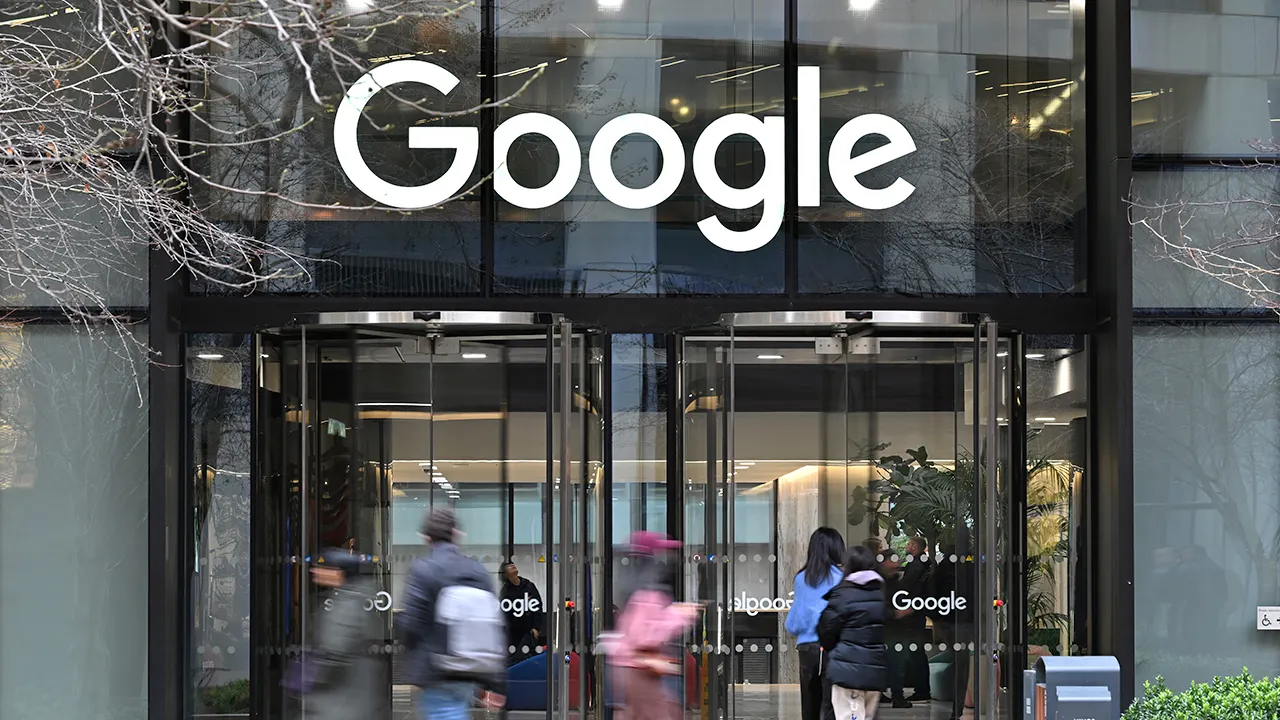
Google has agreed to a $135 million settlement in a class-action lawsuit alleging that Android software transferred data to Google servers over cellular networks in the background without clear user consent, potentially using users' paid cellular data. The transfers are alleged to have occurred even when phones were not actively in use; the complaint asserts Google could have restricted such transfers to Wi‑Fi. Google denies wrongdoing but settled and said it will provide additional disclosures about how its services work. The settlement potentially covers Android users who used cellular networks after November 12, 2017, with estimates of around 100 million eligible users (excluding those in a similar case, Csupo v. Google LLC). Individual payout amounts will depend on the number of claims filed and are expected to be modest. Class members are included automatically unless they opt out; the deadline to opt out or object is May 29, 2026, and the final approval hearing is set for June 23, 2026. The article also outlines device settings users can check to limit background cellular data use and notes the broader issues this raises about transparency, consent, and how always‑connected devices operate.
Biblical Reflection
From a Christian vantage point this story raises steady, practical concerns about honesty, stewardship, and respect for others. If true, automatic background use of paid cellular data without clear consent would reflect a failure to be transparent and fair toward customers — matters Scripture treats seriously (honest scales, fair treatment). That said, a settlement is not a formal admission of guilt; companies sometimes settle to avoid cost and risk, so readers should avoid leaping from settlement to definitive moral verdict without evidence. The article’s framing mixes consumer concern with a degree of alarmism and promotional content (the CyberGuy brand and links), so discernment is needed: separate the legal facts and timelines from rhetorical emphasis. The wider worldview at play values ever‑greater connectivity and convenience, sometimes at the expense of clear informed consent and accountable stewardship of users’ resources. Christians are called both to protect the vulnerable from exploitation and to practice wisdom (testing claims, seeking truth) rather than spreading fear. This means advocating for transparency and accountability from corporations, supporting fair remedies for harms, and resisting sensational narratives that substitute emotion for careful judgment.
Scripture in context
This outlook does not yet include contextual Scripture citations. Do not treat a general biblical theme as an exegetical conclusion.
Faithful Response
No prescribed response is offered. Consider the reflection prompts below in your own church context.
Reflection and Discussion
- 1When a company settles without admitting fault, how should we balance skepticism and the need for accountability in discerning the truth?
- 2How does a culture that prizes constant connectivity challenge Christian principles of stewardship, consent, and protecting others' resources?
- 3What standards of transparency and honesty should Christians expect from institutions that affect daily life, and how should we apply those standards when evaluating media reports?
Sources
Reporting links are evidence inputs; Sanctuary News' biblical reflection is commentary.
This outlook currently relies on fewer than two linked sources. Broaden verification before teaching from it.
- 1.Original reportprimary