News Summary
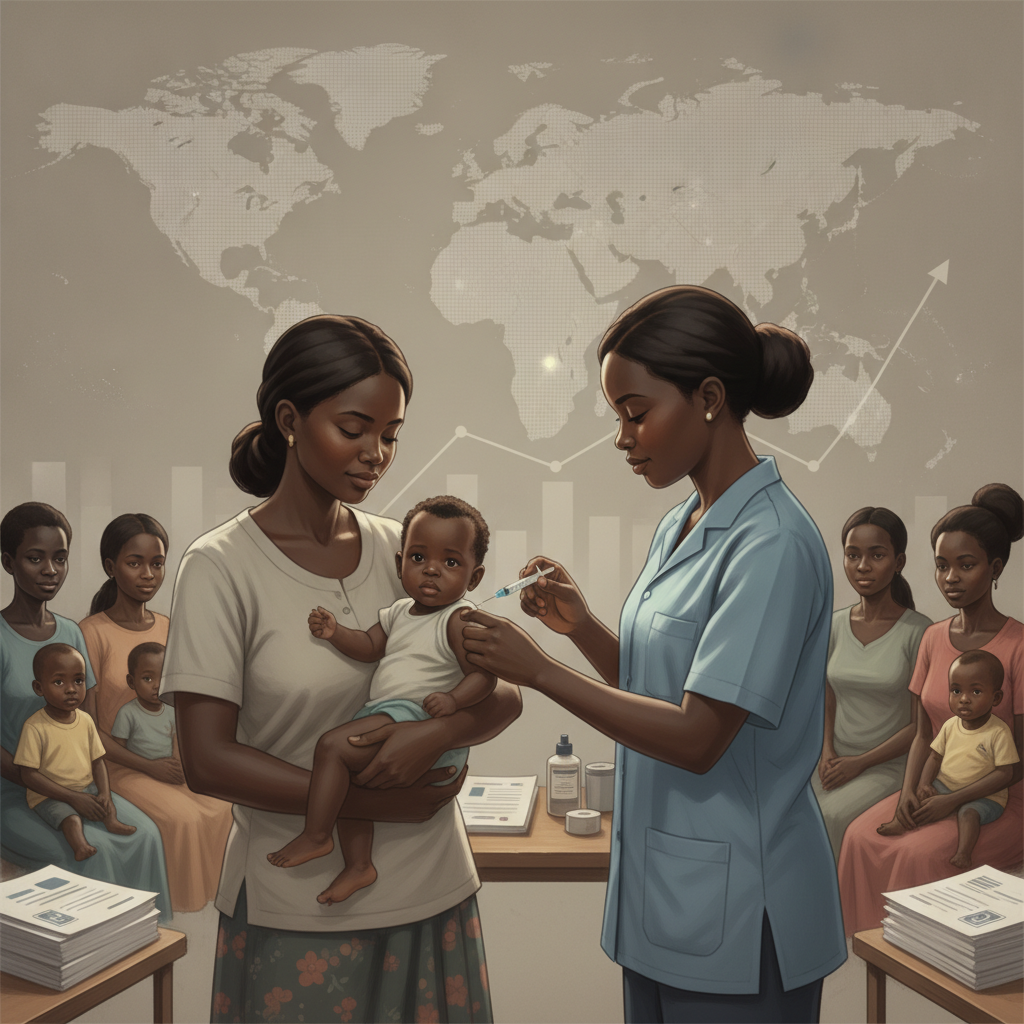
Reported facts: WUENIC (WHO–UNICEF) reports 90% of infants received ≥1 DTP dose and 85% completed three DTP doses in 2025; 13.5 million children received no vaccines in their first year; measles coverage was 84% (MCV1) and 77% (MCV2); 57 countries had large/disruptive measles outbreaks; only 18 national immunization surveys were submitted this round. Attributions & uncertainty: numerical estimates and country examples come from WHO/UNICEF analysis of country-reported data (185 countries provided 2025 data); the agencies note that figures are revised annually and should not be strictly compared to earlier published reports; the full impacts of recent cuts to international health financing are not yet reflected in these estimates.
Source and Framing Analysis
This piece is a WHO/UNICEF press release presenting WUENIC estimates and policy recommendations. As a primary institutional source it aims to summarize global trends and to urge funding, stronger data systems, and counter‑misinformation. Missing or limited voices include national ministries of health (beyond cited country examples), local health workers, caregivers, and independent peer-reviewed analyses. The agencies have an incentive to highlight risks and gaps to mobilize resources and political attention; that does not invalidate the data but explains the advocacy framing. Key claims (coverage percentages, outbreak counts, survey submission numbers) are presented as agency estimates based on country-reported data; independent verification (national data, peer-reviewed publications) would strengthen claims. Assertions about the future effect of financing cuts are flagged by the agencies as not yet reflected in the data and therefore require follow-up. Verify country-level changes, survey methodology, and funding impacts with national reports or independent analyses.
Biblical Reflection
This report is a factual, data-driven appeal from WHO and UNICEF aimed at protecting vulnerable children through immunization. Its primary intention is public-health advocacy: to document coverage trends, highlight where children are unprotected, and press governments and partners for funding, better data, and countering misinformation. The underlying worldview privileges scientific, communal responsibility for the weakest members of society and treats vaccination as a matter of both public health and social justice. The reporting appears to be transparent about uncertainties (e.g., limits of current data, caveats about comparing annual figures) but naturally emphasizes gaps and risks in order to catalyze funding and action. Christians should receive the report as a summons to compassionate, practical neighbor‑love: defend and care for children, especially in conflict and poverty, while also applying discernment about advocacy messages, funding mechanisms, and how to engage public trust. We should neither reflexively distrust public health science nor uncritically accept every institutional recommendation; instead we practice humility, seek truth, protect the vulnerable, and speak respectfully to those with fears about vaccines.
Scripture in context
- 1Matthew 25:31-46 — A teaching of Jesus presented as a final judgment scene where care for the needy—feeding the hungry, visiting prisoners, clothing the naked—is equated with serving Christ himself. The passage addresses communal responsibility toward those in need and frames such care as decisive for judgment. — The passage invites Christians to treat practical care for vulnerable people (including preventing disease and death) as integral to discipleship; public health work that protects children can be understood as 'serving the least' in a tangible way.
- 2Luke 18:15-17 — Jesus rebukes disciples who were turning away children and insists that the kingdom belongs to such as these, using children as an example of the humility and receptivity required to enter God's reign. — The passage underlines the priority given to children in Jesus' teaching; advocating for their protection and access to basic health aligns with the Christian impulse to prioritize those who are powerless.
Faithful Response
Pray for children, families, health workers, and leaders, asking for wisdom and protection.
Support credible vaccination programs financially or through volunteer work (local clinics, refugee services, reputable NGOs).
Engage kindly and knowledgeably with neighbors who have vaccine questions; listen, provide reliable information, and connect them to trusted local health providers.
Advocate to local and national leaders for sustained support of public-health services, especially for conflict-affected and marginalized communities.
Reflection and Discussion
- 1Which actors (international agencies, national governments, local health workers, families) bear responsibility for the gaps reported, and how does that distribution of responsibility affect Christian advocacy?
- 2How can Christians discern and respond to legitimate concerns about vaccine safety while resisting misinformation that harms children?
- 3What are the ethical limits of public advocacy when funding, geopolitics, and local trust intersect in fragile settings?
Sources
Reporting links are evidence inputs; Sanctuary News' biblical reflection is commentary.
This outlook currently relies on fewer than two linked sources. Broaden verification before teaching from it.
- 1.Global childhood immunization coverage inches forward despite conflict and hesitancy – UNICEF, WHOofficial_document