News Summary
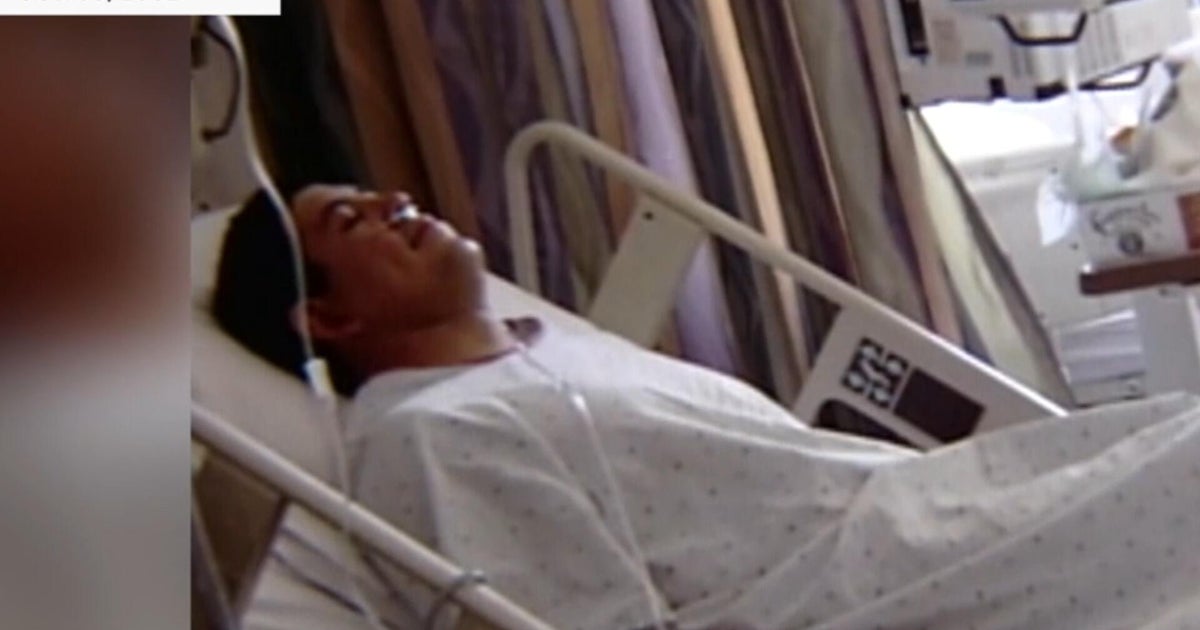
Arizona photojournalist Gilbert Zermeño, who contracted hantavirus in 2002 after cleaning his family home following the deaths of his mother and sister, spoke to CBS News about how recent reports of a 2026 hantavirus outbreak have affected him. Zermeño described the emotional difficulty of hearing about new cases, said his relatives were initially misdiagnosed, and urged people to consult medical professionals rather than panic. Health officials have linked a recent cluster of nine confirmed or suspected cases (including three deaths) to a Dutch-flagged cruise ship; the World Health Organization and the U.S. Centers for Disease Control and Prevention have stated the risk of widespread human-to-human transmission is low and that hantavirus transmission typically requires close contact or exposure to rodent droppings. Zermeño emphasized that public misinformation has heightened fear and reiterated that person-to-person transmission is uncommon.
Biblical Reflection
This article centers an eyewitness testimony that humanizes the costs of a rare disease while also reporting public-health reassurances. From a Christian perspective, the survivor's voice invites compassion for those who grieve and a sober reminder that even rare tragedies leave long effects. The piece properly balances personal testimony with public-health context: it quotes WHO and CDC officials who lower the likelihood of pandemic spread and clarifies the typical route of transmission (rodent exposure). Readers should note two dynamics at work: (1) narrative power—an individual's traumatic story can amplify fear—and (2) institutional authority—experts provide population-level risk assessment. Biblically, Christians are called to both mourn with those who mourn (Romans 12:15) and seek wisdom and truth (James 1:5; John 8:32). That means listening to credible medical sources, resisting panic-driven misinformation, offering practical help to vulnerable neighbors (cleaning, rodent-proofing, elder care), and addressing fear with prayer and truth. The underlying worldview of the article is largely factual and empathetic rather than sensationalist, but readers should be mindful of how evocative personal accounts can unintentionally stoke widespread anxiety. Practically, Christians should respond with informed caution, compassion, and truth-speaking rather than alarmism.
Scripture in context
This outlook does not yet include contextual Scripture citations. Do not treat a general biblical theme as an exegetical conclusion.
Faithful Response
No prescribed response is offered. Consider the reflection prompts below in your own church context.
Reflection and Discussion
- 1Am I allowing a powerful personal story to shape my perception of overall risk more than credible public-health data does?
- 2How can I combine compassion for those affected with sober reliance on expert guidance rather than giving in to fear or misinformation?
- 3What concrete, neighborly actions (information-sharing, practical help, prayer) does this situation call me to take rather than simply reacting emotionally?
Sources
Reporting links are evidence inputs; Sanctuary News' biblical reflection is commentary.
This outlook currently relies on fewer than two linked sources. Broaden verification before teaching from it.
- 1.Original reportprimary