News Summary
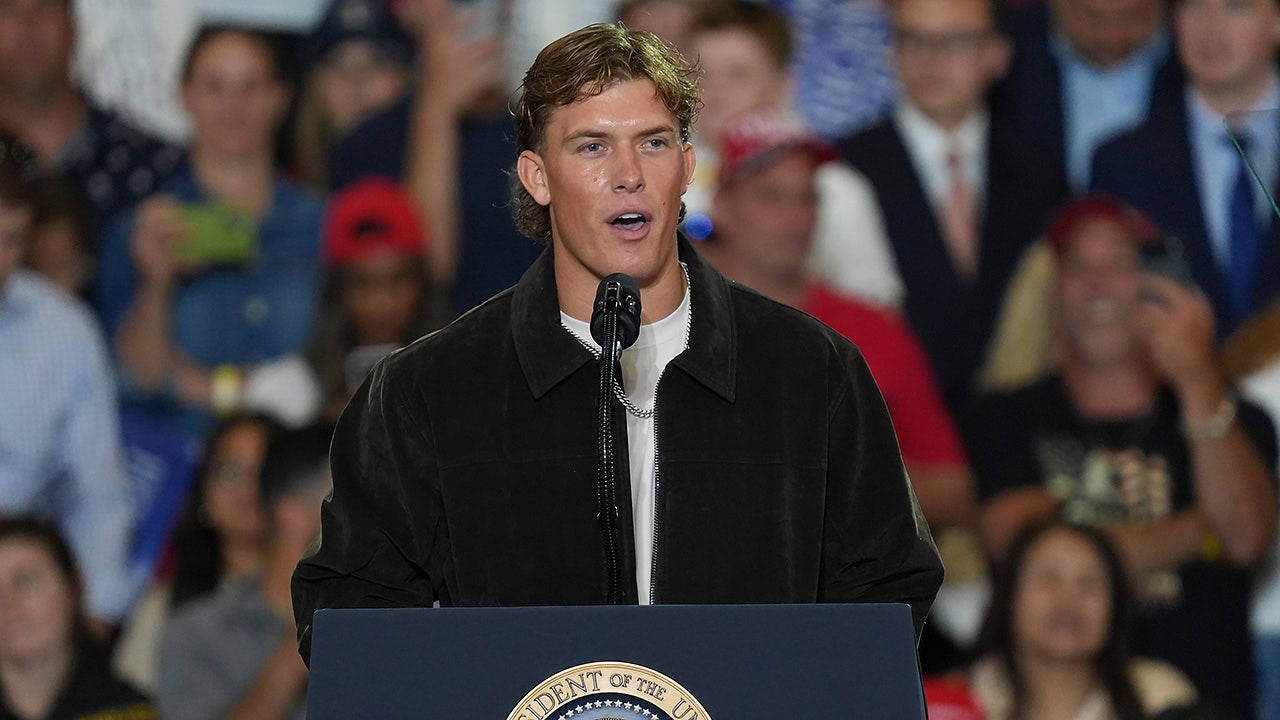
Reporter Armando Salguero (OutKick/Fox News) wrote that New York Giants head coach John Harbaugh will meet with reporters on Friday at 2:30 p.m. ET and will likely be asked about quarterback Jaxson Dart's recent appearance at a 'Fighting For American Workers' event in Suffern, N.Y., on May 22, 2026, where Dart introduced and was photographed hugging former President Donald Trump. The article notes that the appearance has generated internal team attention after defensive player Abdul Carter criticized Dart on social media and later deleted that criticism. Salguero predicts Harbaugh will not publicly criticize Dart, citing Harbaugh's family’s prior White House visit with Trump and the coach's central leadership role since being hired in January. The piece outlines possible responses Harbaugh might take—defending Dart, emphasizing keeping team matters internal, or focusing reproach on Carter for publicizing internal disagreement—and suggests the coach may blame media and public scrutiny for escalating the issue. The article is an analysis/opinion about how Harbaugh might respond rather than a transcript of his remarks.
Biblical Reflection
This article mixes factual reporting with opinion and prediction. The factual elements—the presser time, Dart’s presence at the May 22 event, Carter’s deleted social post, and Harbaugh’s role as coach—are reportable. The stronger claims (that Harbaugh 'agrees with Dart on most things Trump' or that he will 'never' criticize Dart) are the writer’s inferences based on past associations and should be treated as opinion, not settled fact. From a Christian perspective, two tensions are worth noting. First, the piece treats loyalty and institutional unity as the paramount good, implying that maintaining a coach’s authority and locker-room cohesion may justify silence or protective posturing. Scripture calls leaders to protect their communities, but it also calls for truthfulness, accountability, and love toward those within the community. Second, the coverage reflects our polarized public life, where personal political acts by public figures rapidly become team or tribal flashpoints. Christians should resist reducing people to political symbols and instead hold to nuance: recognize freedom of conscience, seek honest accountability when actions harm others, and pursue reconciliation without erasing legitimate concerns. The article’s framing leans toward excusing a powerful figure to preserve organizational unity; readers should weigh that bias and remember that faithful leadership includes both protecting the vulnerable and speaking truth in love.
Scripture in context
This outlook does not yet include contextual Scripture citations. Do not treat a general biblical theme as an exegetical conclusion.
Faithful Response
No prescribed response is offered. Consider the reflection prompts below in your own church context.
Reflection and Discussion
- 1What assumptions is the writer making about loyalty and the proper role of a coach when public political actions by players become controversies?
- 2Are we allowing athletes to be treated as symbols for political tribes rather than as neighbors with conscience and dignity?
- 3Does the pressure to preserve team unity sometimes obscure the need for transparent, loving accountability?
Sources
Reporting links are evidence inputs; Sanctuary News' biblical reflection is commentary.
This outlook currently relies on fewer than two linked sources. Broaden verification before teaching from it.
- 1.Original reportprimary