News Summary
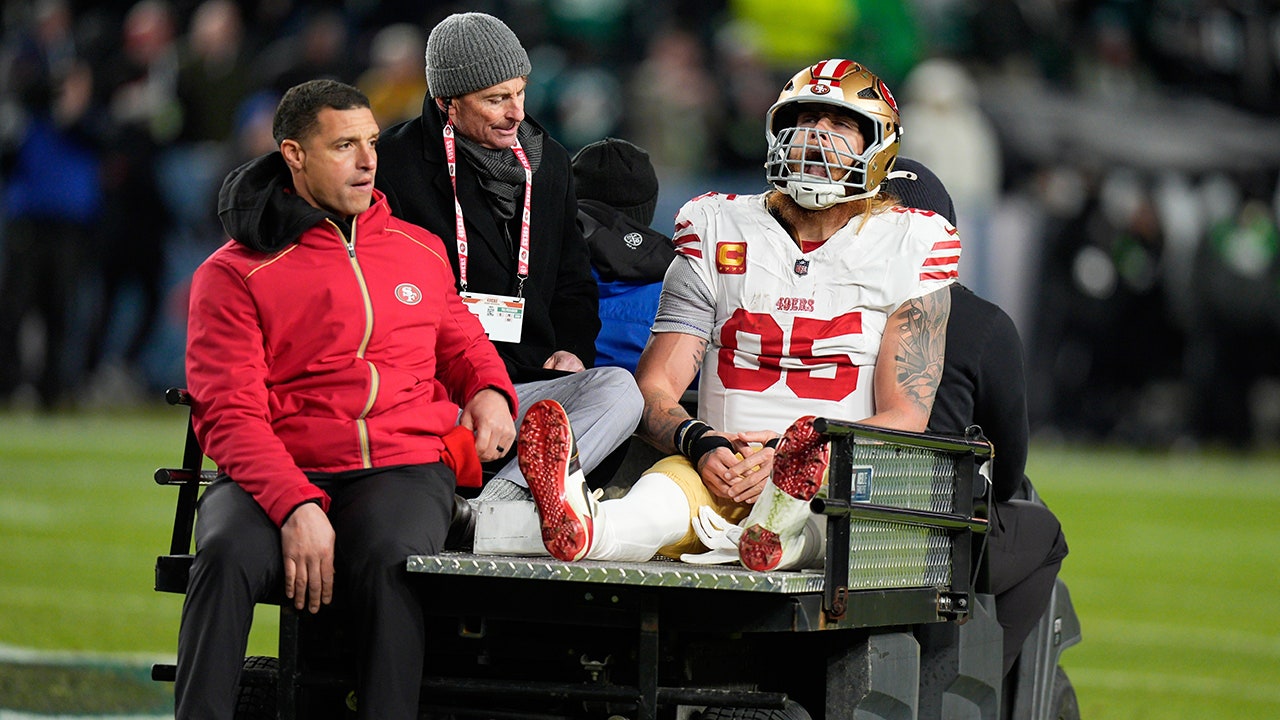
Several U.S. stadiums that normally host NFL games are installing natural grass pitches to meet FIFA requirements for the 2026 World Cup. Seven stadiums will have grass temporarily installed to host World Cup matches. NFL players and the NFLPA have repeatedly expressed a preference for natural grass — the NFLPA reported that 92% of players prefer grass — while many NFL stadiums currently use synthetic turf because it is cheaper and easier to maintain given multiuse event schedules. San Francisco 49ers tight end George Kittle criticized the league for enabling grass installations for FIFA while declining to require natural grass for NFL play, saying the league should prioritize investing in players’ health. Kittle is recovering from a torn Achilles suffered on grass. Former player Andrew Whitworth said he would understand player frustration but acknowledged practical turf arguments. The NFL announced a new policy that will provide teams with a library of approved and accredited NFL fields; both grass and synthetic turf must meet new standards, teams will have two years to comply, and the league does not plan to require natural grass. NFL chief medical officer Dr. Allen Sills said existing research shows no statistically significant differences in lower-extremity injuries or concussions attributable to surface type.
Biblical Reflection
This story centers on competing priorities: player health and wellbeing versus operational and financial considerations of stadium owners and the league. The players' repeated preference for grass reflects lived experience and concern for bodily stewardship — a legitimate moral claim about caring for those who serve and entertain the public. The league’s insistence on standards that allow both surface types and its medical statement that data do not show clear injury differences point to a cautious, evidence-focused stance but leave room for debate about which studies, timeframes, and outcomes are being weighed. Watch for framing bias that highlights conflict (players vs. league) without fully exploring costs, logistics, or the research base; media pieces often amplify a star player's moral appeal while simplifying complex infrastructure trade-offs. From a Christian perspective, the core questions are whether institutions honor the dignity and care of workers and whether decisions are made transparently and justly. Christians should press for honesty in the evidence cited, empathy for those whose bodies do the work, and wise stewardship of resources so that profit motives do not override neighbor-love.
Scripture in context
This outlook does not yet include contextual Scripture citations. Do not treat a general biblical theme as an exegetical conclusion.
Faithful Response
No prescribed response is offered. Consider the reflection prompts below in your own church context.
Reflection and Discussion
- 1Which voices are being centered in this debate — financial stakeholders, medical experts, or the people whose bodies are most affected — and how should that shape policy?
- 2Are the studies and data being invoked comprehensive and transparent, or are they being used selectively to justify existing cost-driven choices?
- 3What would honoring the dignity of players look like in concrete policy changes, and how should institutions balance that with legitimate operational constraints?
Sources
Reporting links are evidence inputs; Sanctuary News' biblical reflection is commentary.
This outlook currently relies on fewer than two linked sources. Broaden verification before teaching from it.
- 1.Original reportprimary